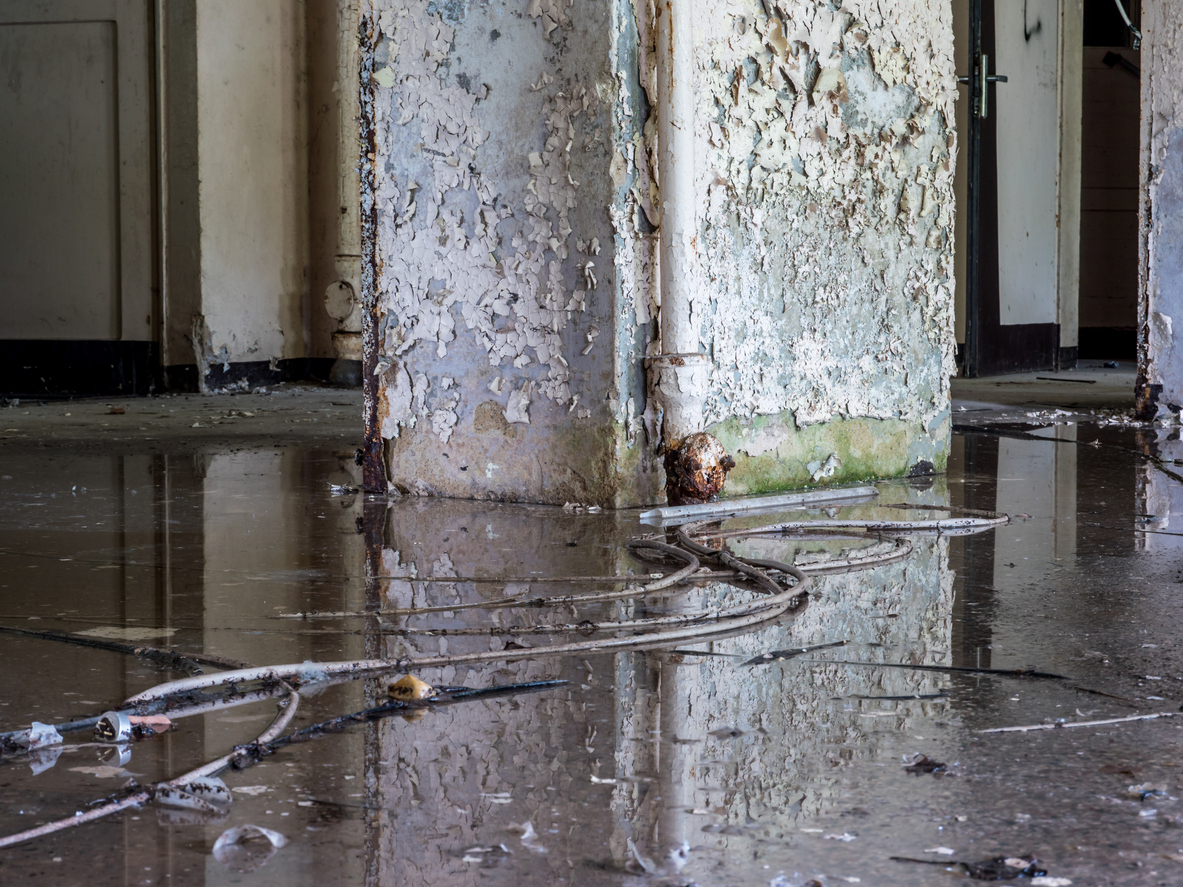
Seattle homeowners know that moisture is part of life in the Pacific Northwest. But when that moisture starts collecting in your basement, it becomes more than a seasonal nuisance—it becomes a risk to your air quality, structural integrity, and long-term property value.
Basements in neighborhoods from Ballard to Beacon Hill face consistent moisture exposure due to heavy rainfall, high humidity, and aging drainage systems. While professional help is often needed for serious water intrusion, there’s a lot you can do on your own to keep your basement dry and mold-free this summer.
At 911 Restoration of Seattle, we encourage proactive homeowners to take simple steps to reduce humidity, manage runoff, and avoid common basement issues—especially before Seattle’s dry season turns damp again in the fall.

Why Moisture Control Matters in Seattle Basements
Seattle’s climate presents a perfect storm of conditions for basement moisture problems:
- Long wet seasons from fall through spring
- Clay-rich soil that doesn’t absorb water quickly
- Older homes with unsealed foundations and poor insulation
- High water tables in low-lying areas like South Park and Rainier Valley
Even after the rainy season ends, moisture lingers in the ground and seeps into porous foundation materials. Combine that with poor ventilation or missed maintenance, and your basement becomes a prime candidate for mold growth, wood rot, or structural damage.

1. Inspect for Existing Leaks and Entry Points
Start by doing a full visual inspection of your basement. Look for:
- Water stains or discoloration on walls and floors
- Peeling paint or efflorescence (a white, chalky residue)
- Damp carpet or warped wood flooring
- Cracks in the foundation or floor slab
- Moldy or musty odors
If you spot any of these, dry the area immediately and monitor it during the next rainstorm. Persistent moisture indicates a deeper drainage or waterproofing issue that may require professional help.

2. Improve Air Circulation and Ventilation
Moist air needs somewhere to go. Without circulation, it settles into floors, fabrics, and drywall—feeding mold and mildew.
Here’s how to improve airflow in your basement:
- Install or run exhaust fans, especially in laundry areas or bathrooms
- Open basement windows on dry days to flush out humid air
- Keep interior doors open to encourage natural circulation
- Avoid storing items tightly against walls, which restricts airflow
If your basement has no windows or limited ventilation, consider installing a small ventilation system or continuous fan to help reduce ambient humidity year-round.

3. Use a Basement Dehumidifier
A high-quality dehumidifier is one of the most effective tools for DIY moisture control. Choose a unit that:
- Covers the square footage of your basement
- Has a built-in humidity gauge and auto shutoff
- Drains automatically into a sump pump or floor drain if possible
Set your unit to maintain indoor humidity between 30% and 50%. This helps inhibit mold growth and creates a healthier environment for your family.
Tip: Clean the dehumidifier’s filter monthly and check the water collection reservoir regularly if not draining automatically.

4. Redirect Water Away from Your Home
Many basement problems originate outside the house. When rainwater pools near your foundation, it increases hydrostatic pressure and forces water through cracks and porous concrete.
Make sure to:
- Clean your gutters and downspouts every season
- Extend downspouts at least 6 feet away from your foundation
- Grade the soil around your home to slope away from the walls
- Install splash blocks or drainage pipes to carry runoff farther
If you see water pooling after rain, it’s a clear sign that your yard drainage needs attention.

5. Avoid Common Moisture Traps
Sometimes, well-intentioned basement use can create moisture issues. Here are a few things to avoid:
- Carpeting directly on concrete floors – it traps moisture and feeds mold
- Storing cardboard boxes on the floor – use shelving or plastic containers instead
- Drying laundry indoors without ventilation – always vent outside or use a dehumidifier
- Blocking foundation vents or covering them entirely – it restricts drying airflow
If you’re finishing a basement, consider moisture-resistant materials like vinyl flooring, closed-cell insulation, and mold-resistant drywall.

6. Monitor Regularly and Keep Records
Moisture control isn’t a one-time fix—it’s an ongoing process. Create a simple maintenance log to:
- Check humidity levels weekly
- Inspect basement corners and utility areas monthly
- Note any water infiltration events, even minor ones
- Photograph suspicious stains or signs of damage for future reference
This log can help you catch problems early and provide documentation if you ever need to file an insurance claim.

When to Call a Professional
DIY measures go a long way, but if you experience any of the following, it’s time to call 911 Restoration of Seattle:
- Standing water or repeated leaks
- Mold growth on walls, floors, or ceilings
- Persistent humidity above 60% despite ventilation
- Structural cracks or foundation shifts
- Sudden worsening after heavy rain or plumbing failures
We offer free visual inspections, moisture assessments, and full-service basement water damage remediation throughout the Seattle area.

Keep Your Basement—and Your Home—Healthy Year-Round
Basement moisture can lead to much more than inconvenience. It can compromise your foundation, lower indoor air quality, and create conditions that affect your entire home. Fortunately, many of the most effective moisture control strategies are simple, affordable, and easy to implement.
If you need help with a stubborn problem or want a professional inspection, contact us here to schedule service. At 911 Restoration of Seattle, we’re here to help you build resilience—starting from the bottom up.

SEO Title: DIY Basement Moisture Control Tips for Seattle Homes
SEO Description: Keep your Seattle basement dry this summer with easy moisture control tips to prevent water damage and mold.