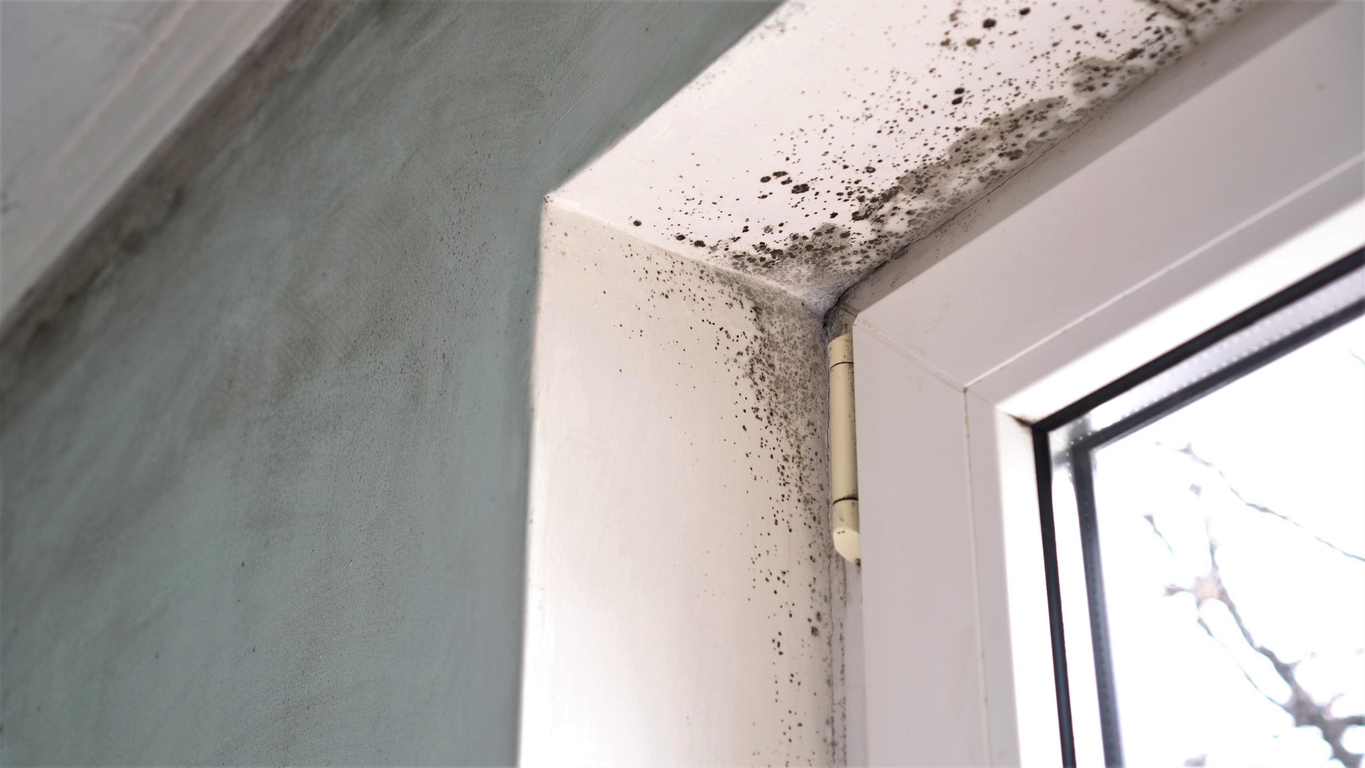
When Seattle homeowners think about mold, they usually look down—to basements, crawl spaces, or lower levels where water collects. But one of the most overlooked hotspots for mold growth is above your head: the attic.
During Seattle’s wet spring and warming summer months, conditions inside your attic can quietly turn into a breeding ground for mold. High humidity, trapped heat, poor ventilation, and past roof leaks all contribute to a perfect storm—one that’s easy to miss until visible mold or musty smells take hold inside your living space.
At 911 Restoration of Seattle, we regularly help homeowners across Ballard, Beacon Hill, Queen Anne, and beyond detect and remediate mold where it’s least expected. If it’s been more than a year since you last looked in your attic—or if you’ve never had it inspected—now is the time.

Why Attic Mold Is a Common Problem in Seattle
Seattle’s climate contributes to attic mold in several key ways:
- Heavy rainfall from October to May saturates roofs and roofing materials
- Insufficient ventilation traps moist air and heat during the summer
- Inconsistent insulation leads to condensation from temperature differences
- Flat or low-pitch roof designs often found in mid-century Seattle homes restrict airflow
- Missed roof leaks or past storm damage allows water to seep into sheathing and beams
Even in the dry summer months, attics retain a high level of humidity if not properly ventilated. And once mold takes hold, it spreads quickly across rafters, decking, and insulation—sometimes without any visible symptoms inside your living area.

Early Warning Signs of Attic Mold
Because attics are typically out of sight, mold can go undetected for months or even years. But your home may still be giving you signals. Be alert for:
- Musty or earthy smells coming from ceiling vents
- Increased allergies or asthma symptoms, especially on upper floors
- Dark staining on ceiling drywall, particularly around light fixtures
- Hot, humid air when accessing your attic
- Visual mold growth on wooden beams, insulation, or sheathing
If you’ve experienced a roof leak in the past year—even one that seemed minor—it’s important to schedule an attic inspection. Mold can grow behind insulation and roofing panels long before it’s visible.
Common Causes of Attic Mold in Seattle Homes
During inspections, we often discover that mold issues stem from the following:
- Blocked or missing soffit vents that restrict airflow
- Disconnected bathroom or kitchen exhaust fans venting moist air directly into the attic
- Poorly sealed attic hatches allowing warm interior air to enter
- Leaky roofing materials or flashing letting water in around vents and chimneys
- Condensation on nails, roof sheathing, or ductwork due to thermal differences
If your attic hasn’t been inspected recently—or if you notice hot, stagnant air during the summer—these may be contributing factors to hidden mold growth.

What to Do if You Suspect Attic Mold
If you’ve noticed any of the warning signs above, take the following steps:
- Avoid disturbing the area – Do not attempt to clean mold yourself, especially in a confined space.
- Call a professional – At 911 Restoration of Seattle, we offer free visual mold inspections and can determine whether remediation is needed.
- Keep HVAC systems running – This maintains airflow and reduces moisture buildup while you await inspection.
- Document any visible mold or moisture for future insurance claims if needed.
Our team uses thermal imaging, moisture meters, and safe inspection techniques to assess attic mold without disrupting your insulation or roofing structure unnecessarily.

Our Mold Remediation Process
When attic mold is confirmed, we follow a comprehensive remediation protocol designed to eliminate current growth and prevent future recurrence:
- Containment of the affected area to prevent spore spread
- HEPA-filtered air scrubbers to clean airborne particles
- Removal of contaminated insulation and materials
- Thorough cleaning and disinfecting of surfaces using EPA-registered products
- Structural drying to bring moisture levels back to safe standards
- Ventilation and insulation improvements to prevent future condensation and humidity buildup
Every project includes air quality testing and post-remediation inspection to ensure your attic is mold-free and safe for the long term.

Tips for Preventing Attic Mold in the Future
Once your attic is cleaned and dry, these proactive steps will help protect your home:
- Ensure soffit, ridge, and gable vents are unblocked and balanced
- Insulate properly to reduce temperature differentials between interior air and the roof
- Check for roof leaks annually, especially around vents and chimneys
- Vent exhaust fans directly outside, not into the attic space
- Seal attic access points to prevent warm indoor air from entering
Seattle’s summers are mild, but the temperature difference between outside air and attic conditions can be enough to sustain year-round mold growth. Proper ventilation is the key to long-term prevention.

Schedule Your Attic Inspection Today
Your attic may be out of sight, but it should never be out of mind—especially in a city like Seattle, where mold thrives on residual moisture and warm air.
If you’ve never had your attic inspected, or if you suspect hidden mold after a wet winter and spring, now is the perfect time. At 911 Restoration of Seattle, we help homeowners protect their properties from top to bottom.
Contact us today to schedule a mold inspection or learn more about our attic remediation services. We’re available 24/7 to help you breathe easier—starting from above.