Seattle’s damp climate, aging homes, and hidden crawl spaces create ideal conditions for mold growth beneath our feet. While many homeowners assume that what’s under the house doesn’t impact what’s above it, the truth is that crawl space mold can compromise your entire home’s structure, air quality, and safety.
At 911 Restoration of Seattle, we routinely find mold colonies in crawl spaces throughout neighborhoods like Ballard, Rainier Valley, and West Seattle. These infestations often go unchecked for months—sometimes years—simply because the crawl space is out of sight and easy to ignore.
But ignoring crawl space mold doesn’t make it go away. It makes it worse. Here’s what every Seattle homeowner needs to know about the risks of inaction—and why now is the time to schedule an inspection.

The Hidden Problem Beneath Your Home
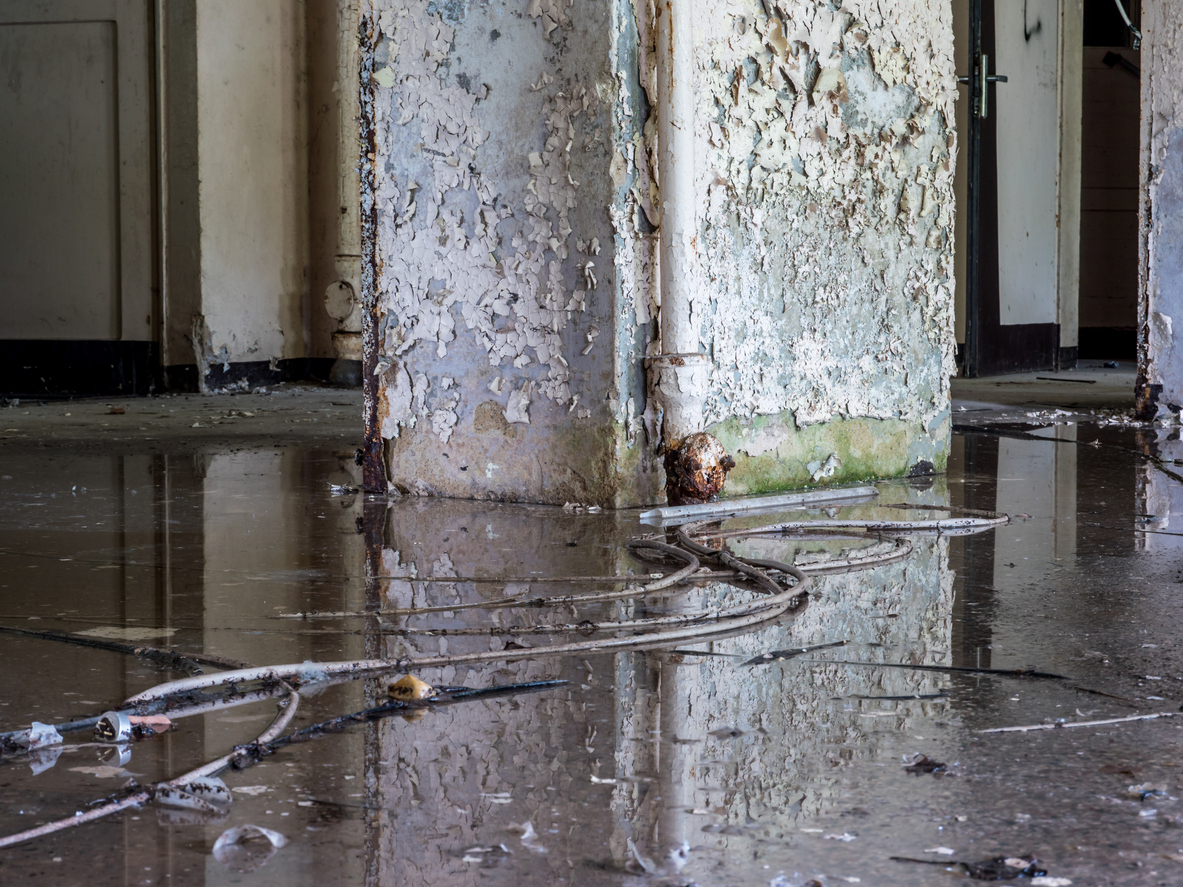
Crawl spaces are typically dark, damp, and poorly ventilated—especially in older Seattle homes. After months of rain and high humidity, moisture can collect on joists, insulation, and vapor barriers, creating a perfect environment for mold.
Here’s what often goes unnoticed:
- Standing water from poor drainage or groundwater intrusion
- Leaking plumbing lines that drip onto subflooring
- Condensation forming on ductwork or wood framing
- Inadequate or missing vapor barriers that allow moisture to rise from the soil
Once mold begins to grow in these conditions, it spreads silently—and can affect the structural integrity of your home long before you notice anything indoors.
What’s at Risk If You Don’t Act?
Ignoring crawl space mold has consequences that go far beyond a few musty smells. Here’s what can happen when the problem is left untreated:
1. Poor Indoor Air Quality and Health Issues
Mold spores don’t stay confined to the crawl space. They circulate into your home’s air through HVAC systems, floor vents, and natural airflow. As a result, your family may experience:
- Chronic coughing or sneezing indoors
- Worsened asthma or allergy symptoms
- Headaches and fatigue
- Irritated eyes, nose, and throat
- Difficulty breathing or respiratory infections
Children, seniors, and people with pre-existing conditions are especially vulnerable. For many, air quality only improves once mold is professionally removed.

2. Structural Damage to Your Home
Crawl space mold doesn’t just stay on the surface—it penetrates wood framing, insulation, and subflooring. Over time, untreated mold can:
- Weaken floor joists and beams
- Cause subfloor warping and sagging floors
- Rot wooden supports, threatening your home’s stability
- Accelerate decay in older materials already vulnerable to water damage
By the time structural damage is visible upstairs, extensive repair work is often required—at significantly higher cost.

3. Higher Utility Bills
Mold and moisture in your crawl space can make your home harder to heat or cool. Wet insulation loses effectiveness, and airflow becomes inefficient, leading to:
- More frequent HVAC use
- Difficulty maintaining comfortable indoor temperatures
- Elevated energy bills during both summer and winter
A mold-infested crawl space is often accompanied by insulation failure, which increases your home’s energy demands year-round.
4. Decreased Property Value
If you plan to sell your home—or even refinance—unresolved crawl space mold can tank your home’s value. During inspections, mold discoveries often:
- Trigger failed sales or withdrawn offers
- Require immediate remediation before closing
- Raise concerns about long-term neglect or maintenance
- Create costly delays in real estate transactions
Even if you’re not selling soon, addressing mold now protects your investment for the future.
5. Insurance Denial or Coverage Gaps
Most homeowners insurance policies do not cover mold unless it results from a covered water event—and even then, you’re expected to take immediate action to mitigate further damage.
Delaying remediation or ignoring early signs can result in:
- Claim denials based on “neglect” clauses
- Limited reimbursement for mold-related repairs
- Increased out-of-pocket expenses down the line
That’s why we recommend contacting a certified mold professional like 911 Restoration as soon as you suspect a problem.
What to Do If You Suspect Crawl Space Mold
If you haven’t inspected your crawl space recently—or if you notice musty smells, sagging floors, or high indoor humidity—now is the time to act. At 911 Restoration of Seattle, we offer:
- Free visual inspections of crawl spaces and basements
- Moisture detection and thermal imaging to find hidden issues
- Certified mold remediation services with full containment and HEPA filtration
- Vapor barrier installation and crawl space drying
- Structural repair and preventative upgrades to protect your home
We also help with insurance documentation and provide detailed reports for real estate transactions, home buyers, and property managers.

Don’t Let a Hidden Threat Become a Costly Crisis
Crawl space mold is easy to overlook—but costly to ignore. If you want to protect your health, preserve your home’s structure, and avoid unnecessary expenses, the best time to take action is now—before summer heat and humidity accelerate the problem.
Whether you live in Shoreline, Capitol Hill, or out toward Renton, 911 Restoration of Seattle is ready to help. Call us today or schedule a crawl space inspection online to make sure your home is clean, safe, and ready for whatever the season brings.