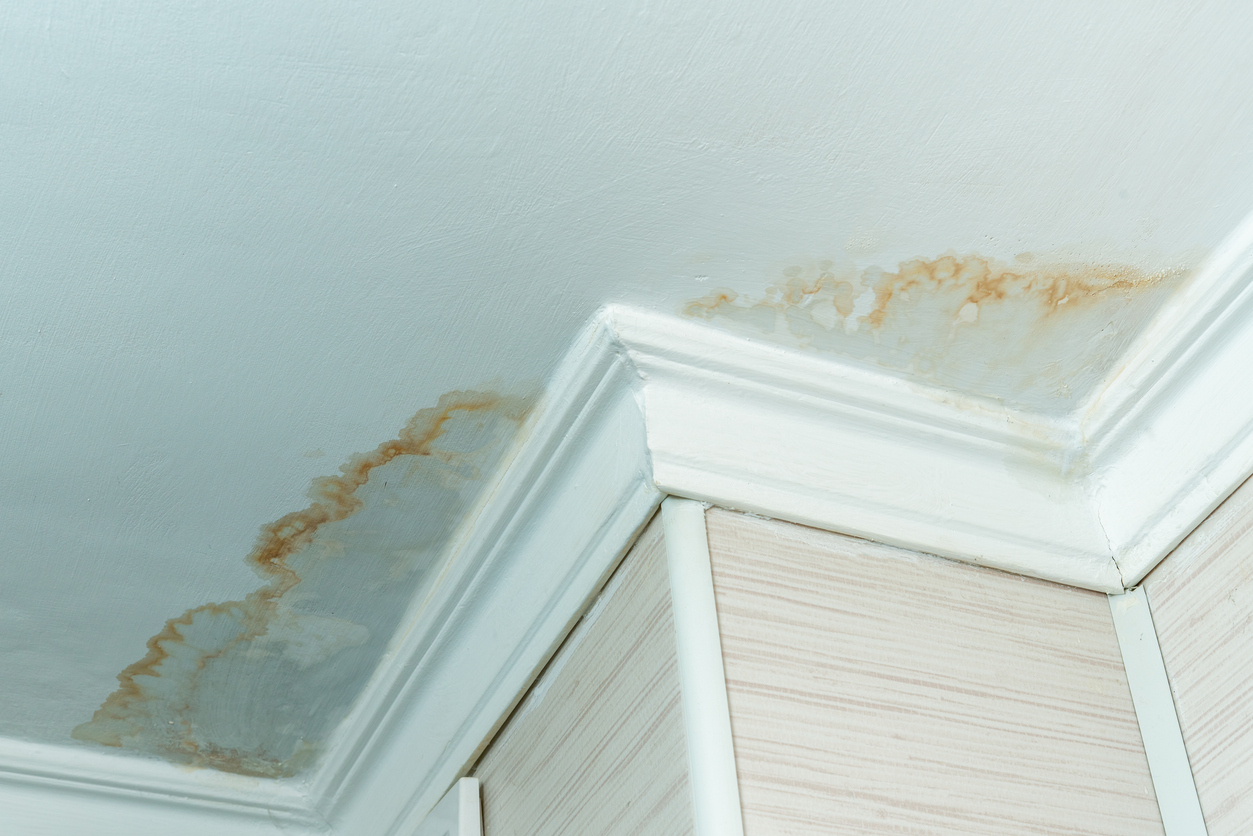
Seattle’s mild summers are starting to look a little different. With each passing year, we’re seeing more extreme heat events—and with them comes an unexpected spike in water damage calls. You might expect pipes to burst in the winter, but in recent summers, heatwaves have been triggering plumbing failures across Seattle homes.
At 911 Restoration of Seattle, we’ve responded to water damage caused by everything from overworked water heaters to expanding PVC pipes and cracked exterior hose bibs. If you’re not prepared, that dry heat can lead to some very wet—and expensive—surprises.
Here’s what Seattle homeowners need to know about preventing plumbing failures during a summer heatwave.

How Heatwaves Can Lead to Water Damage
High temperatures affect your plumbing in several ways:
- Thermal expansion of pipes—especially in attic or crawl space areas—can cause cracks or joint separation.
- Increased water use during heatwaves (for showers, ice makers, irrigation) puts pressure on aging systems.
- Overworked water heaters may fail or leak if not maintained properly.
- Outdoor plumbing fixtures like hose bibs and sprinkler lines can burst when exposed to direct sun and heat stress.
In many Seattle homes, especially those built before 1990, plumbing systems weren’t designed for long durations of high heat. That makes proactive inspection and maintenance even more important.
Warning Signs of Heat-Related Plumbing Stress
Catching a problem early can mean the difference between a quick fix and a flooded floor. Watch for:
- Unusual water pressure changes or slow-draining sinks
- Puddling near water heaters or laundry areas
- Warm spots on floors (indicating a potential slab leak)
- Dripping from exposed pipes in attics or basements
- Spike in your water bill without increased use
- Noisy pipes or sudden banging sounds after faucets are turned off
If you spot any of these issues, don’t wait—call a professional before small leaks escalate into full failures.

Seattle Homes at Higher Risk
Certain neighborhoods and home types are more vulnerable to heat-related plumbing problems:
- Homes with crawl space plumbing in Ballard, Greenwood, and Mount Baker
- Townhomes and condos with rooftop water heaters or sun-exposed piping
- Older homes in Wallingford, Beacon Hill, and Capitol Hill with original plumbing infrastructure
- Homes with irrigation systems or exterior piping that lacks sun protection
If you fall into one of these categories, consider scheduling a mid-summer plumbing inspection—even if everything seems fine now.

How to Prevent Summer Plumbing Failures
Here are proactive steps you can take today:
1. Insulate Exposed Pipes
Install foam insulation on exposed pipes in attics, crawl spaces, garages, and exterior walls to prevent heat-related stress.
2. Inspect Outdoor Fixtures
Check hose bibs, garden faucets, and irrigation lines for signs of cracking or leaking. Use protective covers or shade barriers if they’re in direct sunlight.
3. Service Your Water Heater
Flush the tank, inspect the temperature/pressure relief valve, and look for corrosion. If your unit is over 10 years old, consider upgrading.
4. Install Water Leak Detectors
Smart leak sensors placed near washers, water heaters, or under sinks can alert you to problems in real time—even when you’re away.
5. Know Your Main Water Shutoff
If a pipe bursts, shutting off your home’s main water valve immediately can minimize damage until help arrives.

What to Do if a Pipe Bursts During a Heatwave
If you’re dealing with active water intrusion:
- Turn off the main water supply as quickly as possible.
- Call 911 Restoration of Seattle for 24/7 emergency water extraction and drying services.
- Move valuables away from affected areas.
- Document the damage with photos for insurance purposes.
- Ventilate the space using fans or dehumidifiers until our team arrives.
We’ll help with everything from structural drying to damage assessment, mold prevention, and insurance coordination.
Why Timely Restoration Matters
Even clean water from a plumbing failure can cause:
- Mold growth within 24–48 hours
- Swollen drywall and warped flooring
- Electrical hazards and ceiling damage
- Rotting subfloor and framing materials
That’s why acting quickly—not just fixing the leak, but drying the structure—is critical to protecting your home long-term.

Stay Cool, Stay Dry, and Stay Prepared
Seattle heatwaves may still be uncommon, but they’re no longer rare. And as our climate shifts, so too must our home maintenance priorities. A summer plumbing failure is just as serious—and just as preventable—as a winter one.
If you suspect your plumbing system is under stress, or if you’ve already discovered signs of a leak, 911 Restoration of Seattle is here to help. We offer rapid response, professional drying and repair services, and support for insurance claims—all from a team that understands Seattle homes and Seattle weather.
Contact us now to schedule a water damage inspection or request emergency service. We’re ready to help—no matter how high the temperature climbs.