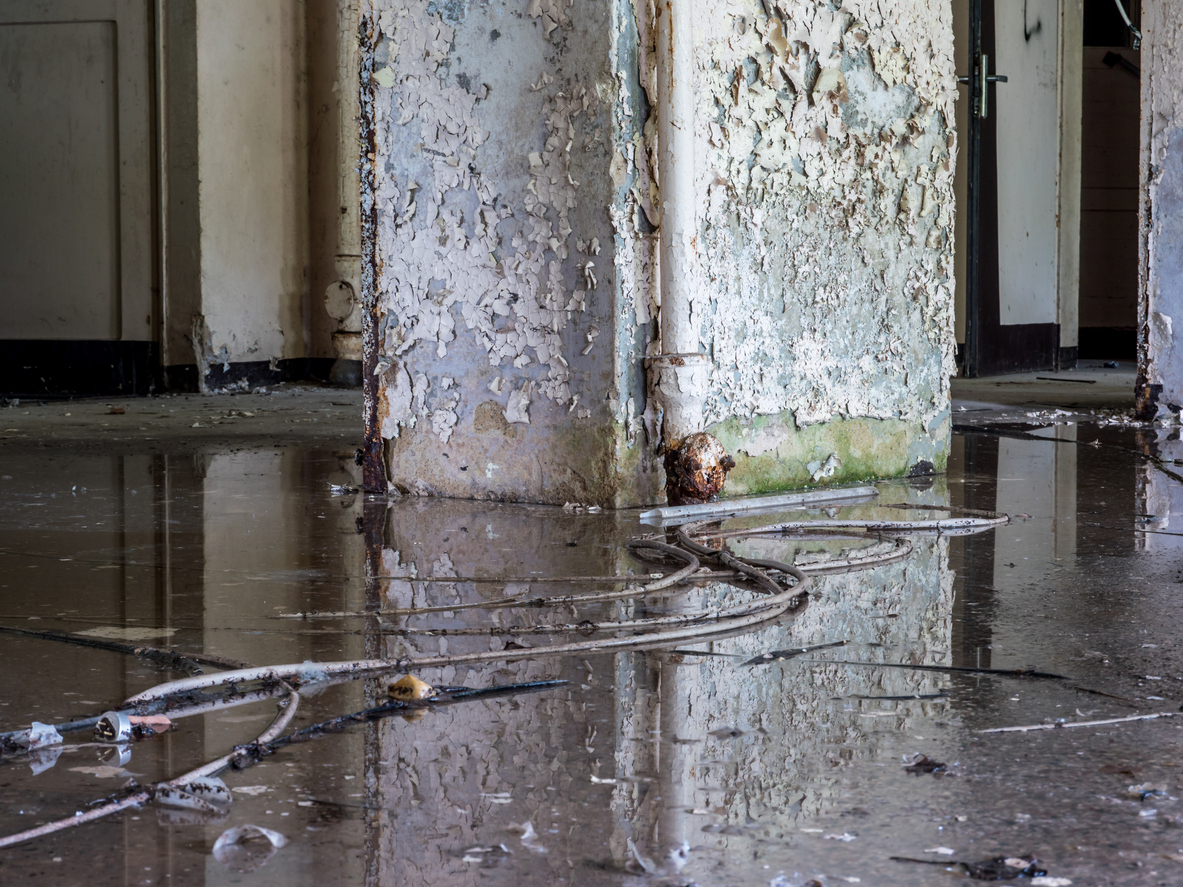
When a pipe bursts or a washing machine overflows, it’s easy to focus on the immediate mess—soaked carpets, puddles in the hallway, maybe some discolored drywall. But in places like Federal Way and Northeast Tacoma, where many homes sit on sloped lots or have aging plumbing systems, postponing water damage repairs can quietly turn a small issue into a massive restoration bill.
At 911 Restoration of Seattle, we’ve seen firsthand how a few days of delay can escalate to mold infestations, structural compromise, and indoor air hazards. And with August’s shifting weather patterns—where hot dry spells give way to sudden coastal humidity—those risks compound fast.

Why Federal Way Homes Are Especially Vulnerable
Many older neighborhoods in Federal Way—like Marine Hills, Lakota, and Adelaide—were built on varying elevations with limited modern drainage systems. This means that even small water intrusions can seep into crawlspaces, basements, and subfloors, creating ideal mold conditions.
Meanwhile, areas like Northeast Tacoma and Enchanted Parkway face unique microclimates. Foggy mornings and coastal breezes trap moisture inside homes, especially those shaded by trees or lacking newer HVAC systems. If water damage isn’t addressed within 24–48 hours, humidity levels rise, and mold growth becomes almost inevitable.

What Happens When You Wait Too Long
Here’s a timeline of what typically happens when water damage isn’t handled immediately:
- Within 24–48 hours: Drywall and insulation begin to absorb moisture. Wood flooring may start to warp.
- Day 3–5: Mold spores activate in warm, humid conditions. Odors intensify.
- Day 6 and beyond: Contaminants spread into wall cavities and HVAC systems. Restoration becomes more invasive and costly.
For homes in older subdivisions like Lakota, this could also mean foundation shifts or damage to original framing.
Signs That Water Damage Has Gone Too Far
Many homeowners don’t realize how far water has spread until they see:
- Musty smells in corners or closets
- Cupping or buckling hardwood floors
- Wall discoloration or bubbling paint
- Higher utility bills from hidden leaks
- Allergy symptoms that worsen indoors
These aren’t minor annoyances—they’re red flags that require immediate water damage restoration before health or structural issues arise.

Why Restoration is More Than Just Drying
911 Restoration of Seattle takes a comprehensive approach that addresses both visible and hidden threats:
- Moisture mapping to identify water behind walls
- Industrial-grade drying for floors and substructures
- Dehumidification tailored to South Sound microclimates
- Mold remediation to remove spores and prevent recurrence
- Support for insurance claims, including detailed documentation
Whether you’re in Dash Point, Fife, or Northeast Tacoma, our local crews know how to spot the small signs before they become big problems.
How to Protect Your Property in August
As we move closer to the fall rainy season, now is the time to be proactive:
- Inspect plumbing lines for corrosion or loose fittings
- Seal crawlspaces and basement vents
- Check under sinks and behind appliances for leaks
- Run a humidity monitor in bathrooms and laundry rooms
- Schedule a moisture inspection if you’ve had recent leaks
If you suspect deeper damage, our disaster restoration experts can help.

Don’t Let Delay Lead to Disaster
In Federal Way, the difference between a quick fix and a full-home restoration often comes down to timing. Delays not only raise costs—they put your family at risk of mold exposure, structural rot, and contaminated air.
Contact 911 Restoration of Seattle now to schedule a same-day water damage inspection and get peace of mind before the next moisture spike.