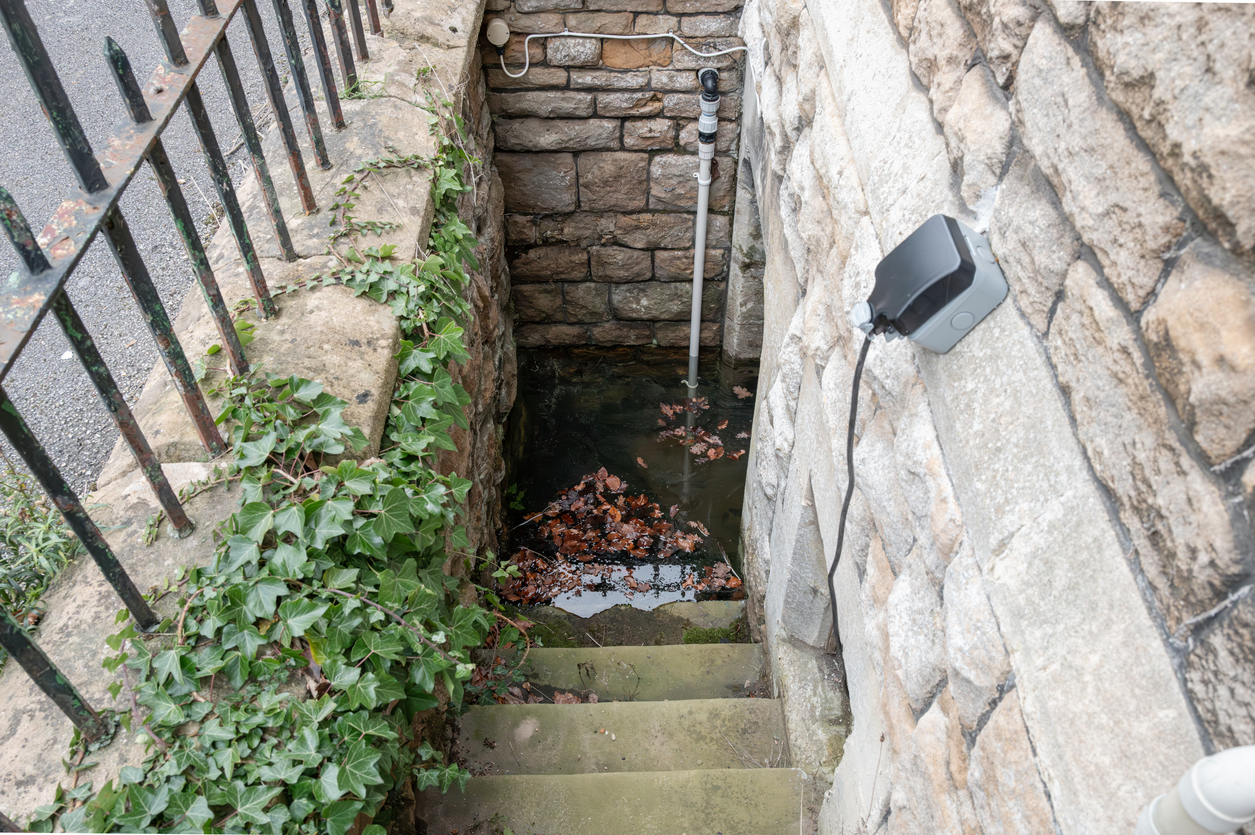
Federal Way may be dry during August, but residents in sloped neighborhoods like Marine Hills, Lakota, and Adelaide know that flash flooding and ground runoff can happen even without weeks of rainfall. Aging infrastructure, combined with steep terrain and increasing irrigation use, has made late-summer flooding and basement water intrusions a real threat in these areas.
If you live in one of these Federal Way hillsides, this post is for you. We’ll explain why homes built along bluffside grades and older drainage systems are vulnerable in late summer, how to identify risk factors, and what to do when moisture starts creeping into crawl spaces, garages, or basements.

Why High-Elevation Doesn’t Mean High Protection
It may sound backwards—shouldn’t higher elevation protect you from water intrusion? But in Marine Hills, Adelaide, and Lakota, the combination of:
- Soil compaction over time
- Poorly sloped landscaping
- Clogged drainage swales and French drains
- Old weeping tile systems
can cause water from irrigation, driveway runoff, and even air conditioning discharge to pool near foundations and slowly leak into your home.
And because it’s not caused by rain, many homeowners don’t realize they have a flooding problem until flooring buckles or mold appears behind the drywall.
Federal Way Late-Summer Conditions That Increase Flooding Risk
From Dash Point to Redondo, this time of year puts unique pressure on local homes:
- Intense watering cycles from irrigation and sprinkler systems
- Seasonal landscaping runoff directed toward homes
- Dry-to-wet shifts in underground clay layers that cause hydrostatic pressure
- Aging basements and crawl spaces that weren’t sealed for modern moisture levels
August also means more usage of hoses, pools, and water features—all contributing to unintended saturation near your home’s perimeter.
Signs You May Be at Risk
If you live in Federal Way’s sloped neighborhoods, check for:
- Standing water near basement windows or foundation vents
- White mineral deposits (efflorescence) on concrete
- Warping in trim boards or discoloration in lower drywall
- A musty or “wet wood” smell in closets or carpeted areas
- Rusting at the base of HVAC or water heater units
These are warning signs of a developing moisture problem—and they’re often overlooked until the damage is widespread.
What to Do if You Suspect Water Intrusion
The most important first step is to get a moisture inspection from a certified restoration team. At 911 Restoration of Seattle, our water damage restoration specialists will:
- Map hidden moisture using thermal imaging
- Identify exterior drainage failures
- Dry out structural framing
- Replace damaged drywall or flooring
- Prevent mold with sanitation and air scrubbing
If mold is already forming, our team provides certified mold removal and testing services, too.
Tips to Protect Your Marine Hills or Lakota Home
Preventing water damage is about redirecting and draining—here’s where to start:
- Regrade landscaping to slope away from your home
- Extend downspouts at least 6 feet from the foundation
- Clear debris from yard drains and swales
- Install window well covers and check your sump pump (if applicable)
- Avoid leaving garden hoses pressurized overnight
And if you do experience unexpected flooding, don’t delay—late-summer moisture can rapidly turn into late-fall mold.
Call a Federal Way Flooding Expert Today
911 Restoration of Seattle understands the hyperlocal flooding risks that come with sloped neighborhoods like Marine Hills, Adelaide, and Lakota. Whether you’re dealing with minor seepage or a flooded basement, our 24/7 team will handle everything from inspection to full disaster restoration.
We’re based right here in Federal Way and know how to help homeowners in every elevation zone protect what matters.
Contact us here for an inspection or emergency response.