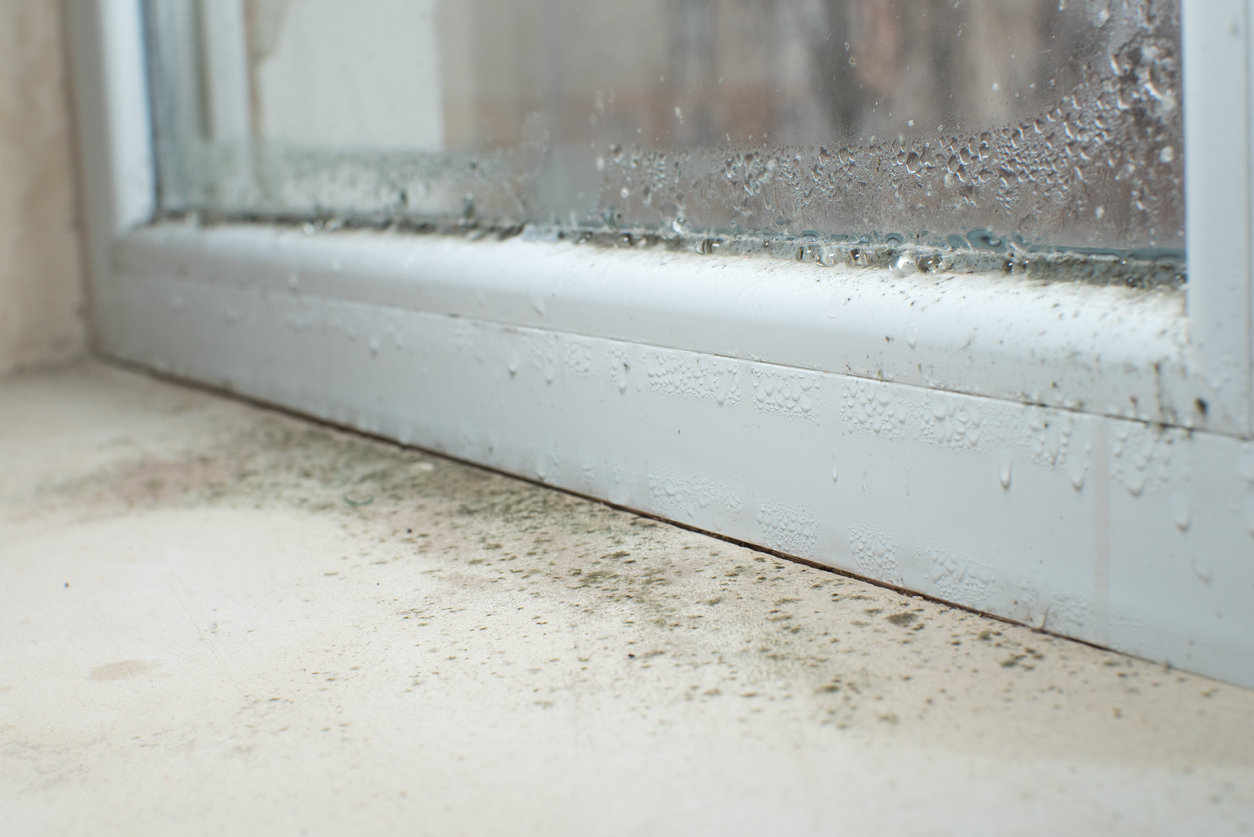
The Mystery of “Sweating Walls” in Auburn and Des Moines Homes
As the chill of early October sets in across Auburn and Des Moines, homeowners often notice a strange phenomenon: moisture beading on interior walls as soon as the heat kicks on. While it may look like your walls are sweating, what’s actually happening is condensation—an early sign that your home may be battling hidden water damage.
This seasonal issue is more than an inconvenience. If ignored, condensation can lead to mold growth, damaged paint, weakened drywall, and expensive repairs. Understanding the causes and solutions helps you keep your home safe before fall rains and winter cold make the problem worse.
Why Do Walls “Sweat”?
When warm indoor air meets a cooler wall surface, condensation forms—just like droplets on a cold drink. In Auburn and Des Moines, homes often face this issue in October due to:
- Poor insulation – Thin or aging insulation allows walls to stay colder than indoor air.
- Inadequate ventilation – Without proper airflow, moisture from cooking, showers, or even breathing lingers inside.
- High indoor humidity – Closed windows and sealed homes trap moisture as families turn on heaters.
- Hidden leaks – A minor roof, plumbing, or window leak can keep walls damp, accelerating condensation.
The Link Between Condensation and Water Damage
At first, wall condensation might seem harmless. But left unchecked, it creates the perfect environment for mold and hidden water damage. Moisture trapped behind paint or wallpaper can:
- Cause bubbling or peeling paint.
- Lead to dark mold spots spreading across surfaces.
- Soften drywall, compromising structural stability.
- Allow hidden mold colonies to form behind walls.
For homeowners in Auburn and Des Moines, where fall storms quickly saturate the ground, sweating walls may also be a warning sign of seepage or poor drainage around the foundation.
Mold and Health Risks
Moisture and mold go hand in hand. Once condensation appears, spores can multiply quickly. Exposure to mold in your home may cause:
- Persistent coughing or sneezing.
- Sinus congestion and headaches.
- Worsening asthma or allergies.
This is why it’s critical to take action as soon as wall condensation becomes noticeable. Professional mold removal not only clears visible growth but also identifies the source of excess moisture, protecting both your health and your property.
DIY Steps to Control Indoor Moisture
Before condensation turns into water damage, homeowners can take proactive steps to reduce indoor humidity:
- Run exhaust fans in bathrooms and kitchens during and after use.
- Use a dehumidifier in damp areas such as basements or near exterior walls.
- Check insulation and consider upgrades to reduce cold surface temperatures.
- Inspect for leaks around windows, roofs, and plumbing connections.
- Allow airflow by leaving a small gap between furniture and exterior walls.
These measures help, but if condensation persists, it could indicate a deeper water intrusion problem.
When to Call in Professionals
If you notice recurring wall condensation, mold growth, or water stains, it’s time to consider water damage restoration. Unlike general contractors or handymen, certified restoration professionals are trained to identify hidden sources of moisture, use industrial-grade drying equipment, and safely remediate mold.
At 911 Restoration of Seattle, our specialists work with Auburn and Des Moines homeowners to:
- Detect and eliminate hidden leaks.
- Restore drywall and insulation damaged by moisture.
- Perform thorough mold removal.
- Protect homes against recurring fall and winter water damage.
Why Acting Now Matters
October is a turning point for homes in South King County. Cooler nights and wetter days create an environment where small moisture issues rapidly grow into serious problems. By addressing wall condensation early, you can avoid:
- Structural repairs.
- Indoor air quality issues.
- Costly remediation during the winter months.
Call to Action
If your walls are sweating when the heat comes on this fall, don’t wait for the problem to spread. Contact 911 Restoration of Seattle for professional assessment and restoration services. From water damage cleanup to full-service mold remediation, our team is ready 24/7 to keep your Auburn or Des Moines home safe.