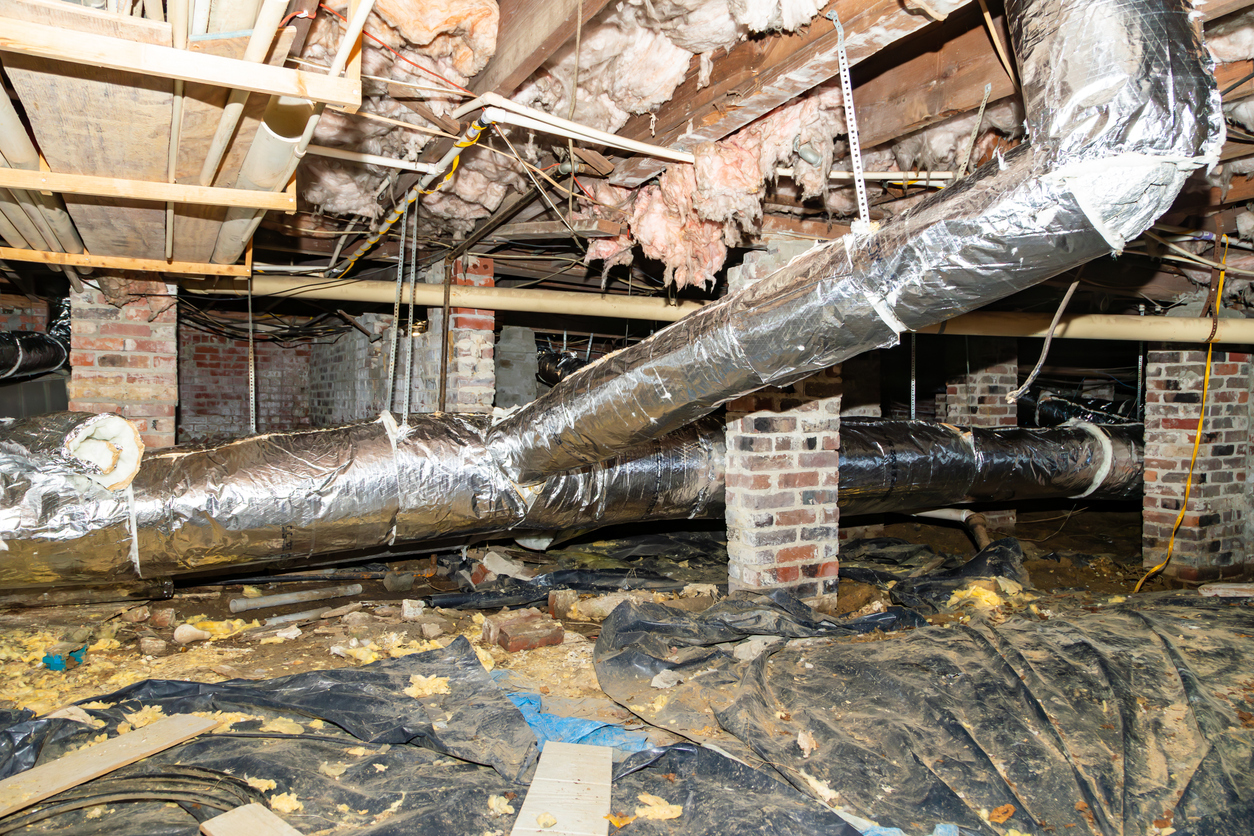
The Crawl Space Question in Edgewood and Northeast Tacoma
Many homeowners in Edgewood and Northeast Tacoma rarely think about their crawl space until a problem appears. When they do check, it’s not unusual to find moisture or a musty smell. But how much dampness is “normal,” and when does it become a warning sign?
Crawl spaces are naturally prone to moisture due to their position beneath the home and contact with soil. A little condensation or humidity might not be cause for alarm. However, standing water, persistent odors, or visible mold mean your crawl space is no longer just damp—it’s a risk to your property’s structure and your family’s health.
Why Crawl Spaces Get Damp in the Fall
October is a prime time for moisture buildup in crawl spaces across Pierce County. Seasonal rains combined with cooling temperatures create the perfect conditions for water intrusion. Common causes include:
- Poor drainage – If water pools around your foundation, it can seep into crawl spaces.
- Ventilation issues – Limited airflow traps humidity inside.
- Soil saturation – Clay soils common in Edgewood hold water after heavy rains.
- Leaking plumbing lines – Even small drips can keep a crawl space wet year-round.
- Groundwater intrusion – High water tables during fall storms often push moisture upward.
Normal vs. Concerning Crawl Space Moisture
Not every damp crawl space is an emergency. Here’s how to tell the difference:
- Normal: Light condensation on pipes, mild humidity, or a slightly musty smell after rain.
- Concerning: Visible mold, standing water, sagging insulation, wood rot, or pest infestations.
If you notice your crawl space is consistently wet, or if moisture spreads to your living areas (like warped flooring or wall stains), it’s time to take action.
Health and Structural Risks
A damp crawl space does more than make your home uncomfortable. Moisture here can lead to:
- Mold growth that spreads into upper living areas.
- Structural weakening of beams and floor joists.
- Poor indoor air quality as crawl space air circulates upward.
- Increased utility costs since moisture reduces insulation effectiveness.
Homeowners in Northeast Tacoma are especially vulnerable because older homes often lack modern waterproofing and ventilation systems.
What You Can Do to Reduce Crawl Space Moisture
Preventing crawl space problems begins with seasonal maintenance. Steps you can take include:
- Inspect gutters and downspouts to make sure water is directed away from the foundation.
- Install a vapor barrier to limit ground moisture.
- Seal crawl space vents if advised by a contractor to prevent humid outside air from entering.
- Check plumbing lines for slow leaks that can drip unnoticed.
- Use a dehumidifier designed for crawl space conditions.
While these measures help, they may not resolve serious issues like flooding or mold.
When to Call Restoration Experts
If your crawl space has visible mold, standing water, or structural damage, it’s time for professional help. Water damage restoration and mold removal specialists can assess the root causes, remove contaminated materials, and restore your crawl space safely.
At 911 Restoration of Seattle, we provide:
- Crawl space inspections and water removal.
- Professional drying and dehumidification.
- Full mold remediation.
- Repairs for water-damaged structural elements.
We also work with homeowners on prevention strategies, so you won’t face the same crawl space problem next fall.
Call to Action
If you’ve found dampness in your crawl space this October, don’t ignore it. Contact 911 Restoration of Seattle for expert crawl space assessment, water damage cleanup, and mold removal services. Protect your Edgewood or Northeast Tacoma home before moisture leads to bigger repairs.