Mold-Related Health Concerns in Federal Way and Lakota
In Federal Way and the Lakota neighborhood, homeowners often begin noticing health changes in the fall: sinus pressure, headaches, even unexplained nosebleeds. Because these symptoms appear alongside seasonal colds and allergies, many residents dismiss them as minor. But in some cases, the culprit is not pollen or dry air—it’s mold inside the home.
With October’s damp conditions, mold thrives in basements, crawl spaces, and bathrooms. And while not everyone reacts the same way, mold exposure can trigger significant sinus and respiratory issues.
How Mold Affects the Sinuses
Mold releases microscopic spores into the air. When inhaled, these spores irritate nasal passages and sinus linings. Over time, exposure may cause:
- Stuffy or runny nose.
- Frequent sneezing or coughing.
- Sinus headaches or facial pressure.
- Nosebleeds due to irritation of nasal membranes.
Children, elderly residents, and anyone with asthma or allergies are especially vulnerable. For families in Federal Way and Lakota’s older homes, where insulation and ventilation may be lacking, the risks are higher.
When to Suspect Mold Instead of Allergies
Because the symptoms overlap, it can be hard to know whether sinus trouble is caused by mold or seasonal changes. Signs pointing to mold include:
- Symptoms worsen when you’re at home and improve when you leave.
- You notice musty odors in specific rooms.
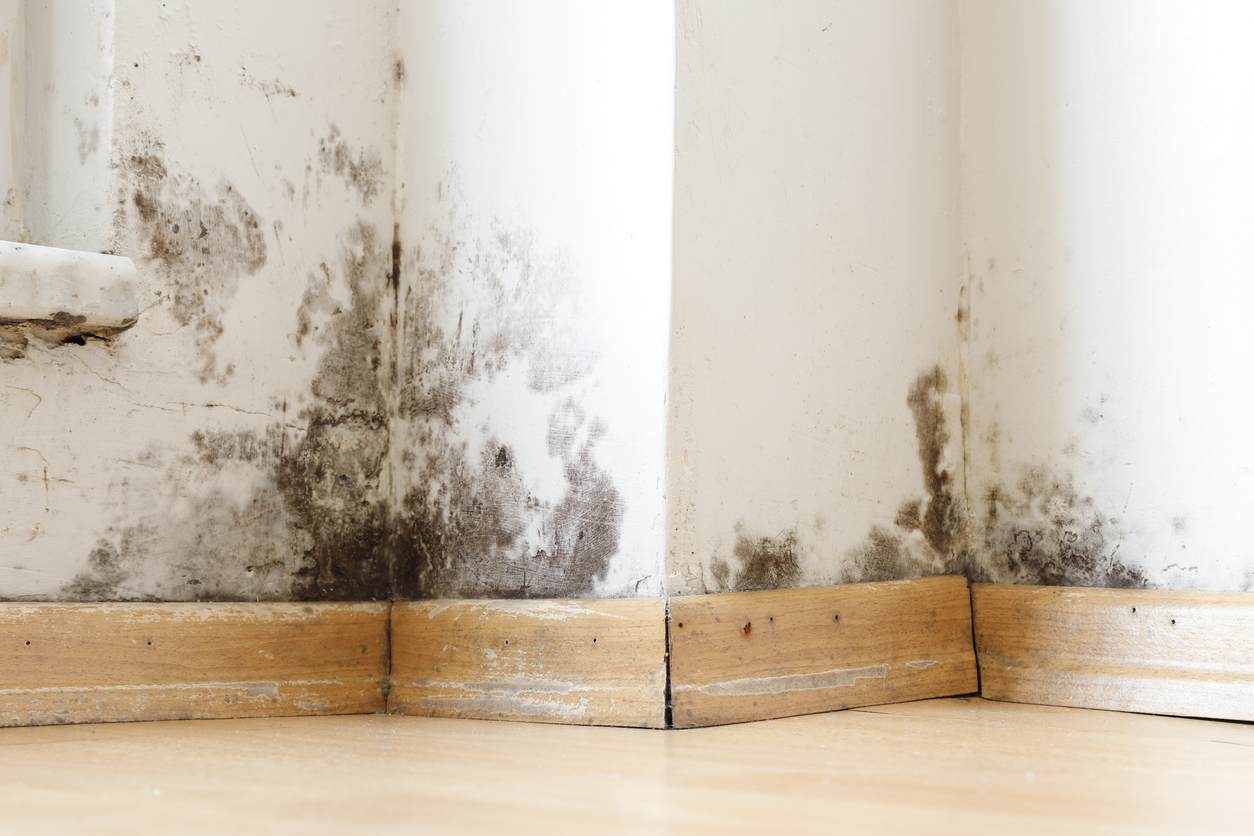
- There are visible black or green spots on ceilings, walls, or window frames.
- Family members experience recurring sinus infections.
If several of these apply, it’s time to look beyond allergy medication and investigate your living environment.
Hidden Mold Sources in Fall
Even if you don’t see visible mold, it may be hiding where moisture collects. Common problem areas include:
- Crawl spaces with standing water.
- Basements that take on moisture during October rains.
- Bathrooms with poor ventilation.
- Behind walls where slow plumbing leaks drip unnoticed.
Professional mold removal is often needed to locate and remediate these hidden colonies.
The Importance of Acting Quickly
Ignoring mold-related health symptoms doesn’t just prolong discomfort—it can lead to worsening respiratory problems and costly structural damage. Mold spreads quickly through drywall, carpet, and wood framing. The longer it goes untreated, the more invasive (and expensive) remediation becomes.
Professional Mold Solutions in Federal Way
At 911 Restoration of Seattle, we understand the unique challenges of homes in Federal Way and Lakota during the damp fall months. Our services include:
- Air quality testing to confirm mold presence.
- Safe removal of contaminated materials.
- Antimicrobial treatments to prevent regrowth.
- Moisture detection to stop the problem at its source.
- Full water damage restoration for leaks or seepage fueling mold.
We’re available 24/7 to respond before mold impacts your family’s health any further.
When Mold Mimics Other Damage
In some cases, mold appears after flooding, plumbing leaks, or even fires. That’s why restoration services often overlap. If your home has experienced a recent storm, sewage overflow, or smoke damage, hidden mold may already be forming. Our team also provides sewage backup cleanup, fire restoration, and commercial property restoration when mold is only part of the bigger picture.
Call to Action
If you or your family have unexplained sinus problems or frequent nosebleeds this October, don’t just blame allergies. Contact 911 Restoration of Seattle for professional mold remediation in Federal Way and Lakota. Protect your health and your home before mold takes hold this fall.