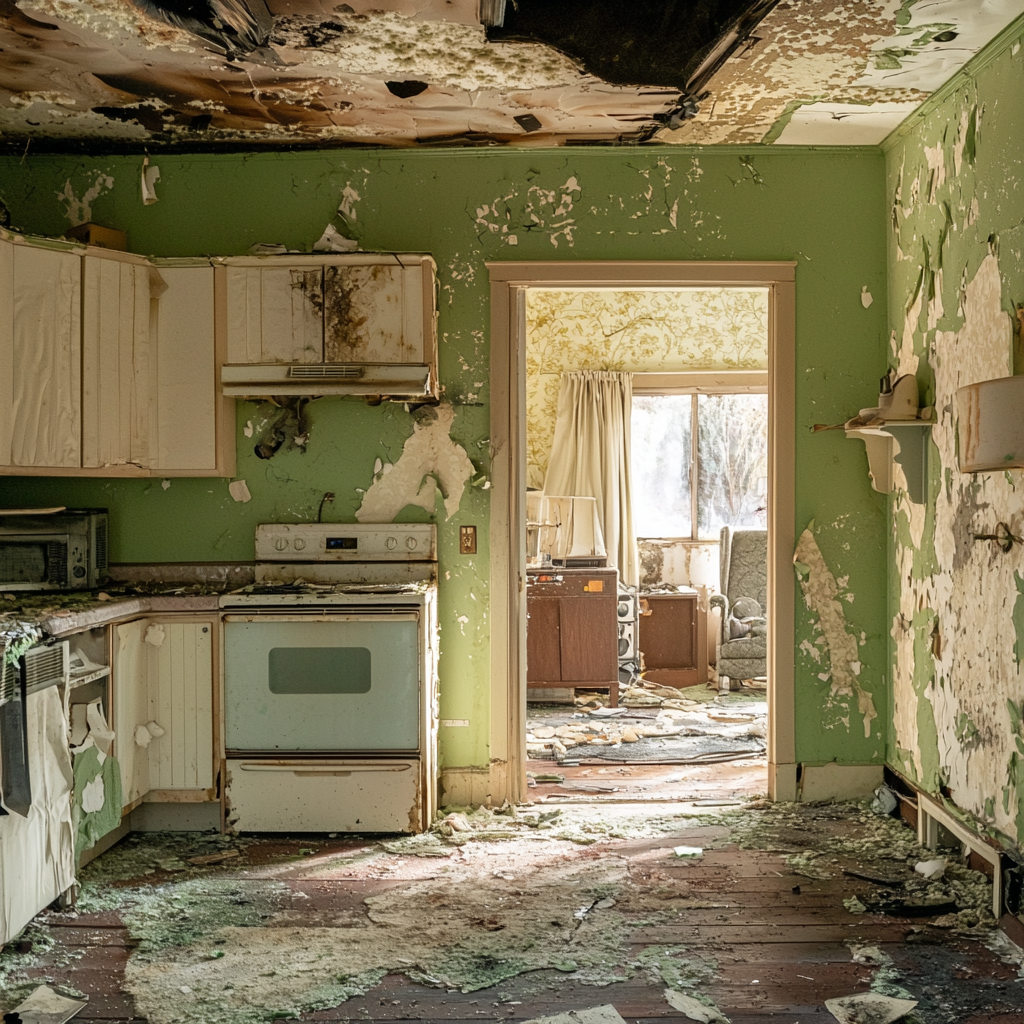
Fall Fire Risks in Auburn and Browns Point
As temperatures drop in Auburn and Browns Point, many homeowners light their fireplaces for the first time in months. Unfortunately, this seasonal tradition can sometimes spark an unexpected hazard: chimney fires. These fires occur when creosote—a highly flammable substance that builds up inside flues—ignites. Even if the fire seems minor or self-contained, the aftermath can leave lasting damage to your home.
The question many homeowners ask is: if the fire went out quickly, do I really need restoration? The answer is often yes. Smoke, soot, and hidden structural damage can linger long after flames are gone.
How Chimney Fires Start
Creosote forms as a byproduct of burning wood. Over time, this residue coats chimney walls. If not cleaned regularly, high heat or sparks can ignite it. Signs of a chimney fire include:
- Loud cracking or popping sounds.
- Dense smoke pouring from the fireplace.
- A strong, hot smell even after the fire is extinguished.
- Visible scorch marks around the chimney or flue.
While some chimney fires are dramatic, others smolder slowly and go unnoticed—causing unseen damage that only surfaces later.
The Hidden Dangers of Chimney Fire Damage
Even a brief chimney fire can compromise your home in several ways:
- Structural weakness – Heat can crack chimney liners, leaving gaps for future fires to spread.
- Smoke damage – Odors and soot particles penetrate walls, ceilings, and HVAC systems.
- Indoor air hazards – Lingering smoke residue contains carcinogens and irritants.
- Mold growth – Water used to extinguish a fire may saturate walls and flooring, leading to hidden moisture damage.
That’s why restoration is about more than putting out flames—it ensures your home is safe and livable afterward.
Why Professional Restoration Is Essential
After a chimney fire, homeowners often clean visible soot and assume the problem is solved. However, smoke and heat damage can travel far beyond what you can see. Professional fire damage restoration includes:
- Full inspection of chimneys, walls, and structural materials.
- Removal of soot and smoke particles from surfaces and air ducts.
- Odor neutralization to restore indoor air quality.
- Moisture testing to address any hidden water damage.
- Repair and sealing of affected areas to prevent future hazards.
Auburn and Browns Point Seasonal Risks
In Auburn, older homes with original fireplaces often have worn chimney liners, while coastal humidity in Browns Point accelerates creosote buildup. These local conditions make annual chimney inspections critical. Without them, a small fire could become a recurring danger.
Prevention Tips for Homeowners
Before lighting your first fire this fall, take proactive steps:
- Schedule a professional chimney cleaning.
- Install a chimney cap to keep out debris and moisture.
- Burn only dry, seasoned wood to reduce creosote.
- Check smoke alarms and carbon monoxide detectors.
Call to Action
If you’ve recently experienced a chimney fire—or noticed smoke odors or soot around your fireplace—don’t wait. Contact 911 Restoration of Seattle today. Our team provides full-service fire and smoke damage restoration, along with water damage and mold remediation when needed. Protect your Auburn or Browns Point home before small fire damage turns into a major problem.