University Place Homeowners Face a Unique Winter Risk When Traveling
If you live in University Place—near Fircrest, Regents Park, Cirque Drive, or along Grandview—you already know how quickly temperatures can drop at night in December. While the Puget Sound region doesn’t freeze daily, the cold snaps we do get are sudden, sharp, and often unexpected. And that’s exactly when frozen pipes burst—especially when no one is home to catch the problem early.
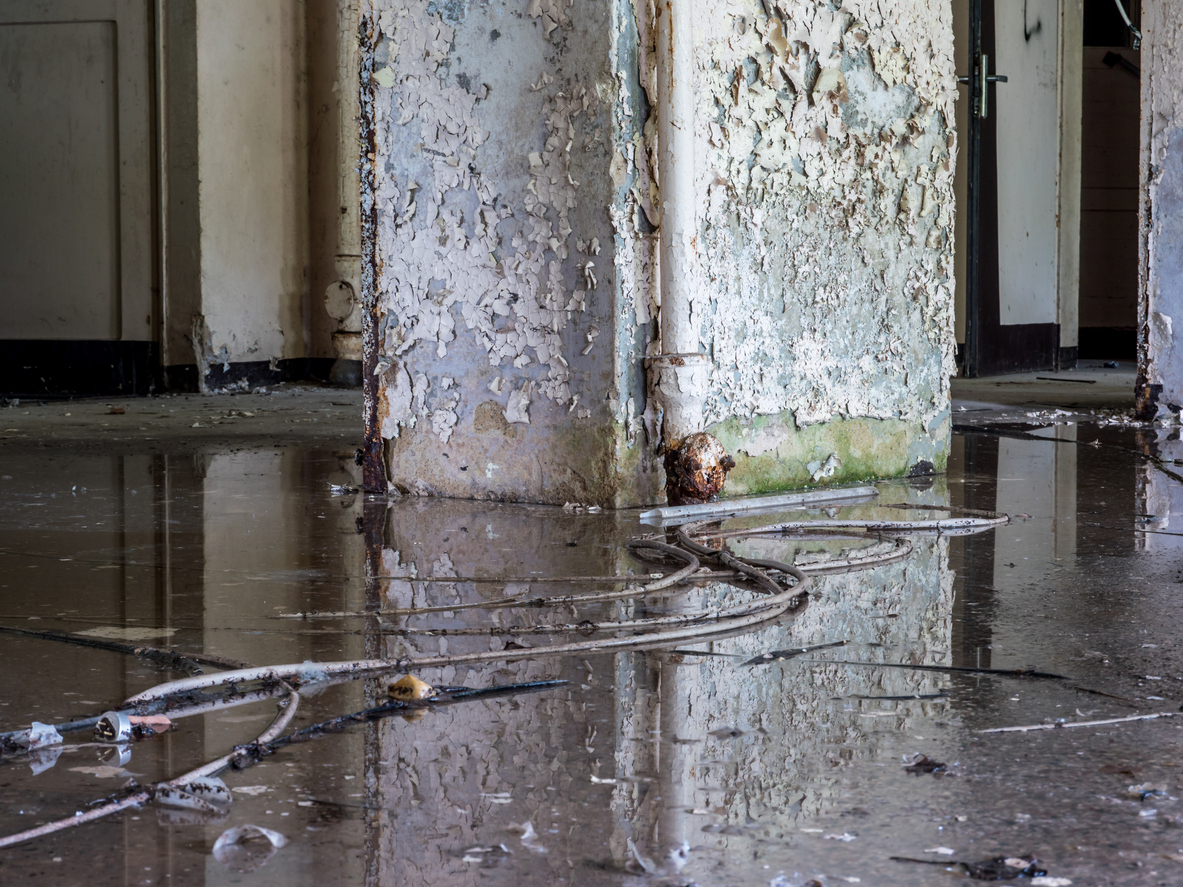
Many University Place homeowners leave town for holiday trips, weekend getaways, or family gatherings. But a frozen pipe doesn’t wait. When a water line freezes and expands, it builds pressure until it ruptures. Once temperatures rise and the ice thaws, water begins pouring into the home—sometimes for hours or even days before anyone notices.
This post explains why University Place homes are vulnerable to frozen pipe failures, how to protect your home before traveling, and what to do immediately if you return to find water damage.

Why Frozen Pipes Are a Real Problem in University Place
Despite relatively mild winters compared to other U.S. regions, the South Puget Sound area experiences sudden temperature drops that create perfect conditions for pipe freezes.
Cold Air Channeling Through the Narrows
The Tacoma Narrows creates wind tunnels that blast cold air inland. Homes along Bridgeport Way, Cirque Drive, and Chambers Creek can experience temperatures several degrees colder than surrounding areas.
Older Plumbing in Mid-Century Homes
University Place has many homes built from the 1950s through the 1980s. These houses often have:
- Poorly insulated crawl spaces
- Exposed pipes under floors
- Older copper or galvanized lines more prone to freezing
- Uninsulated hose bibs
Low-Circulation Rooms and Add-On Spaces
Sunrooms, laundry rooms, and bonus rooms added to homes are common in University Place—and often lack sufficient insulation or heating. These areas frequently house vulnerable water lines.
Extended Travel Leaves Pipes Unmonitored
When no one is running water, flushing toilets, or adjusting temperature, pipes stay colder longer. If a freeze occurs, there’s no one home to shut off the water before a rupture becomes catastrophic.

How to Tell If a Frozen Pipe Burst While You Were Away
If you return from a trip and notice any of the following, you may be dealing with a burst pipe:
- Water pooling on floors
- Warped hardwood
- Soggy carpet or rugs
- Dripping from ceilings or light fixtures
- Musty odors in confined areas
- Water stains spreading along walls
- Low water pressure or no water flow at all
In University Place, frozen pipe bursts frequently occur in:
- Crawl spaces
- Garages
- Attics
- Exterior walls
- Laundry rooms on exterior-facing corners
If you see even one red flag, act fast to prevent mold and structural deterioration.

What to Do Immediately If a Pipe Bursts While You’re Traveling
Follow these steps the moment you discover the damage.
Shut Off the Main Water Supply
Most University Place homes have shutoff valves located:
- Inside the crawl space
- Near the water heater
- In the garage
- At the exterior foundation wall
- Near a curbside water meter box
Stopping water flow is the first and most important step.
Turn Off Electricity in Wet Areas
If water is near outlets, appliances, or a breaker panel, shut down electrical circuits to avoid shock hazards.
Document the Damage
Take photos and videos of all affected areas—ceilings, floors, drywall, belongings, and structural components. These help with insurance claims later.
Call a Water Damage Professional Immediately
Frozen pipe bursts cause rapid structural saturation. Drywall, flooring, and insulation can absorb gallons of water within minutes.
Professionals can:
- Extract standing water
- Remove soaked insulation
- Dry the structure with commercial equipment
- Prevent mold from forming behind walls
- Identify all moisture pockets (even hidden ones)
Waiting even a day allows mold to begin growing—especially in cold, damp winter conditions.

How to Prevent Frozen Pipes in University Place Before Traveling
A few inexpensive steps can prevent thousands in damage.
Keep Heat On, Not Off
Set the thermostat to at least 55–60 degrees. Consistent heat keeps pipes from reaching freezing temperatures.
Open Cabinet Doors
Let warm air reach pipes under sinks and behind vanities.
Let Faucets Drip Slowly
A steady drip prevents water from stagnating and freezing in lines.
Insulate Exposed Pipes
Pay special attention to crawl spaces, garages, and exterior walls.
Disconnect and Drain Outdoor Hoses
Frozen hose bibs commonly cause burst pipes inside walls.
Seal Crawl Space Vents During Freezes
Cold air blowing through open vents dramatically increases pipe freeze risk.

Why Pipe Bursts Require Professional Restoration
Frozen pipe bursts in University Place almost always affect more than one area. Water typically:
- Runs along joists
- Travels downward into crawl spaces
- Wicks into drywall
- Saturates insulation
- Pools under floorboards
Without proper drying, homeowners face mold growth within 24–48 hours—and structural rot within weeks.
Our team uses moisture meters, thermal imaging, and industrial drying systems to remove water completely and prevent expensive future repairs.

Emergency Restoration for Frozen Pipe Bursts in University Place
Whether you’re preparing for holiday travel or returning to unexpected water damage, we help University Place homeowners recover quickly.
We provide:
- 24/7 emergency water extraction
- Structural and crawl space drying
- Mold remediation
- Leak detection
- Burst pipe cleanup
- Insurance guidance and documentation
We proudly serve University Place, Fircrest, Edgewood, Cirque Drive, and the surrounding South Sound communities.
Get Immediate Help:
Home: https://www.911restorationseattle.com/
Water Damage Restoration: https://www.911restorationseattle.com/services/water-damage-restoration/
Sewage Backup Cleanup: https://www.911restorationseattle.com/services/sewage-backup-cleanup/
Contact Us Anytime: https://www.911restorationseattle.com/contact-us/