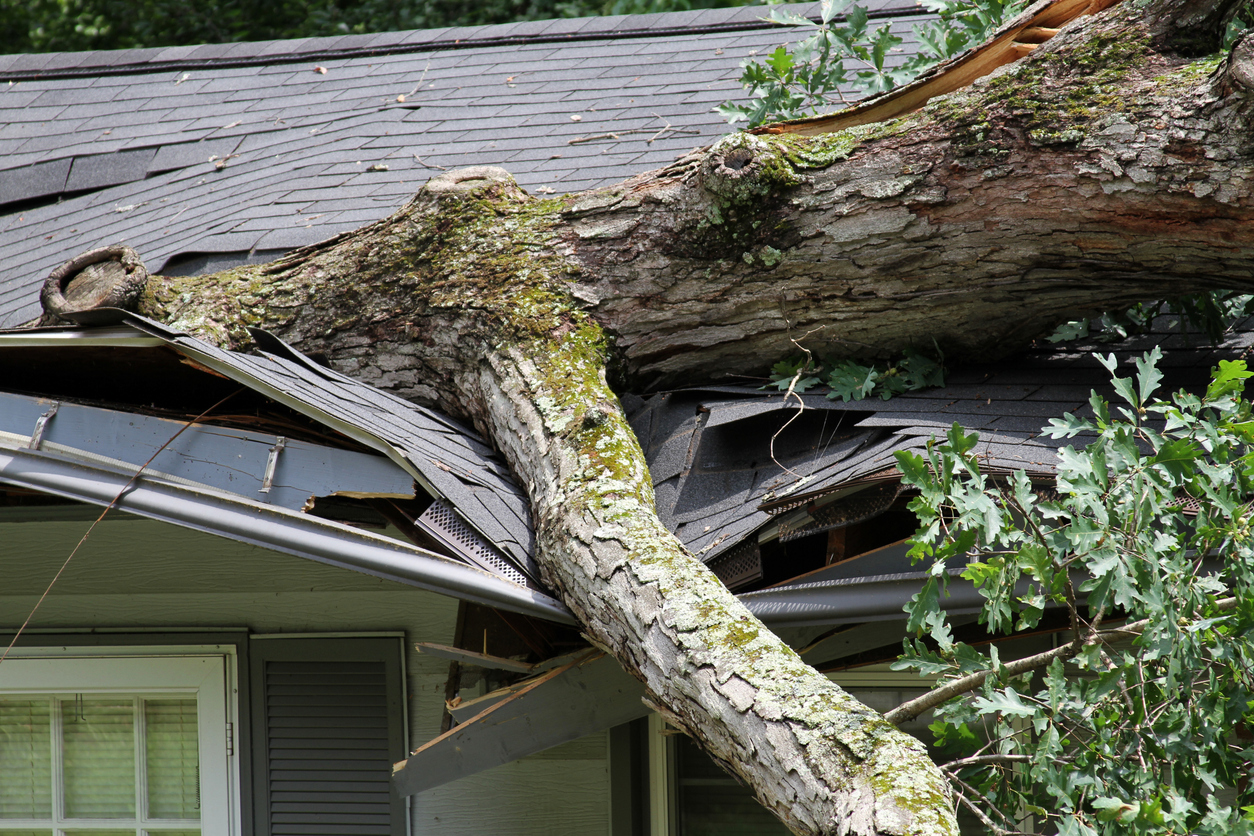
Roof leaks during winter are one of the most underestimated causes of serious interior damage in Northeast Tacoma homes. Wind-driven rain, aging roofing materials, and constant moisture exposure allow small roof failures to push water into attic spaces and wall cavities long before homeowners notice visible signs. By the time staining appears on ceilings or walls, moisture has often already saturated insulation and framing. Proper restoration after a winter roof leak goes far beyond patching shingles. It focuses on drying, damage control, and preventing secondary issues like mold growth.
Homes in Northeast Tacoma face unique exposure due to elevation changes, coastal wind patterns, and older roof systems common in established neighborhoods. Working with a local restoration provider such as 911 Restoration of Seattle ensures roof-related water damage is addressed with these conditions in mind.
Why Winter Roof Leaks Are Harder to Detect
Winter roof leaks often develop slowly. Unlike sudden pipe bursts that immediately require water damage restoration, roof leaks allow water to travel along rafters, insulation, and framing before entering living spaces. Moisture may pool in attic insulation or run down wall cavities, delaying visible symptoms for days or weeks.
In Northeast Tacoma, wind-driven rain increases the likelihood of water being forced under shingles, flashing, and roof penetrations. Repeated storms compound the problem, allowing moisture to build up with each rainfall rather than drying out between events.
What Happens Inside the Attic After a Winter Roof Leak
Attics are often the first area affected by roof leaks. Wet insulation compresses and loses its insulating value, allowing heat loss and condensation to increase. Wood framing remains damp, creating conditions that support mold growth even when ceilings appear dry.
If attic moisture is not addressed promptly, mold can spread into wall cavities and HVAC systems. This often leads to the need for professional mold removal and testing as part of the restoration process.
Why Patching the Roof Is Not Enough
Repairing the exterior roof stops new water from entering, but it does not remove moisture already inside the home. Without professional drying and moisture verification, trapped water continues to damage insulation, drywall, and framing.
Proper restoration focuses on interior recovery. This includes removing wet insulation, drying attic and wall cavities, and monitoring moisture levels until materials return to safe ranges. Skipping these steps often leads to recurring stains, odors, and mold growth months later.
The Restoration Process After a Winter Roof Leak
Restoration after a winter roof leak begins with a thorough inspection. Restoration professionals use moisture meters and thermal imaging to locate hidden water damage behind ceilings and walls. This assessment determines how far water has spread and which materials can be saved.
Once affected areas are identified, controlled drying begins. Air movers and dehumidifiers are positioned to remove moisture without spreading contaminants. Damaged insulation and drywall are removed when necessary to allow structural components to dry fully. This process is a critical part of effective water damage restoration following roof leaks.
Containment is used if microbial growth is suspected, preventing spores from spreading into living areas during drying and removal.
How Roof Leaks Can Affect Lower Levels of the Home
Water from roof leaks does not always stay near the ceiling. In many Northeast Tacoma homes, moisture travels downward through wall cavities, eventually affecting lower floors, basements, or crawl spaces. This can create secondary moisture problems far from the original leak.
Unchecked moisture migration increases the risk of additional restoration needs, including sewage backup cleanup when saturated soils and drainage systems are already under winter stress.
Insurance Challenges With Winter Roof Leak Damage
Insurance claims related to roof leaks can be complicated. Carriers often require proof that damage resulted from a specific storm event rather than ongoing wear. Professional restoration documentation is essential in these cases.
Restoration teams provide detailed moisture readings, drying logs, and photographic evidence that support legitimate claims. Documentation is also critical when roof leaks contribute to electrical issues that increase the risk of fire and smoke damage inside the home.
Why February Is a Critical Time for Roof Leak Restoration
By February, many Northeast Tacoma homes have experienced months of cumulative moisture exposure. Roof leaks that seemed minor earlier in winter often worsen as materials remain saturated and temperatures fluctuate.
Restoring roof leak damage before spring prevents mold growth, material warping, and costly structural repairs. It also reduces the likelihood of emergency restoration needs during spring storms.
When to Call Restoration 24/7
If your Northeast Tacoma home has ceiling stains, damp attic insulation, or musty odors after winter storms, professional restoration should begin immediately. Even small roof leaks can cause extensive hidden damage if left untreated.
911 Restoration of Seattle provides residential and commercial restoration services throughout Northeast Tacoma and surrounding communities. Professional restoration after winter roof leaks protects your home and helps prevent repeat damage.