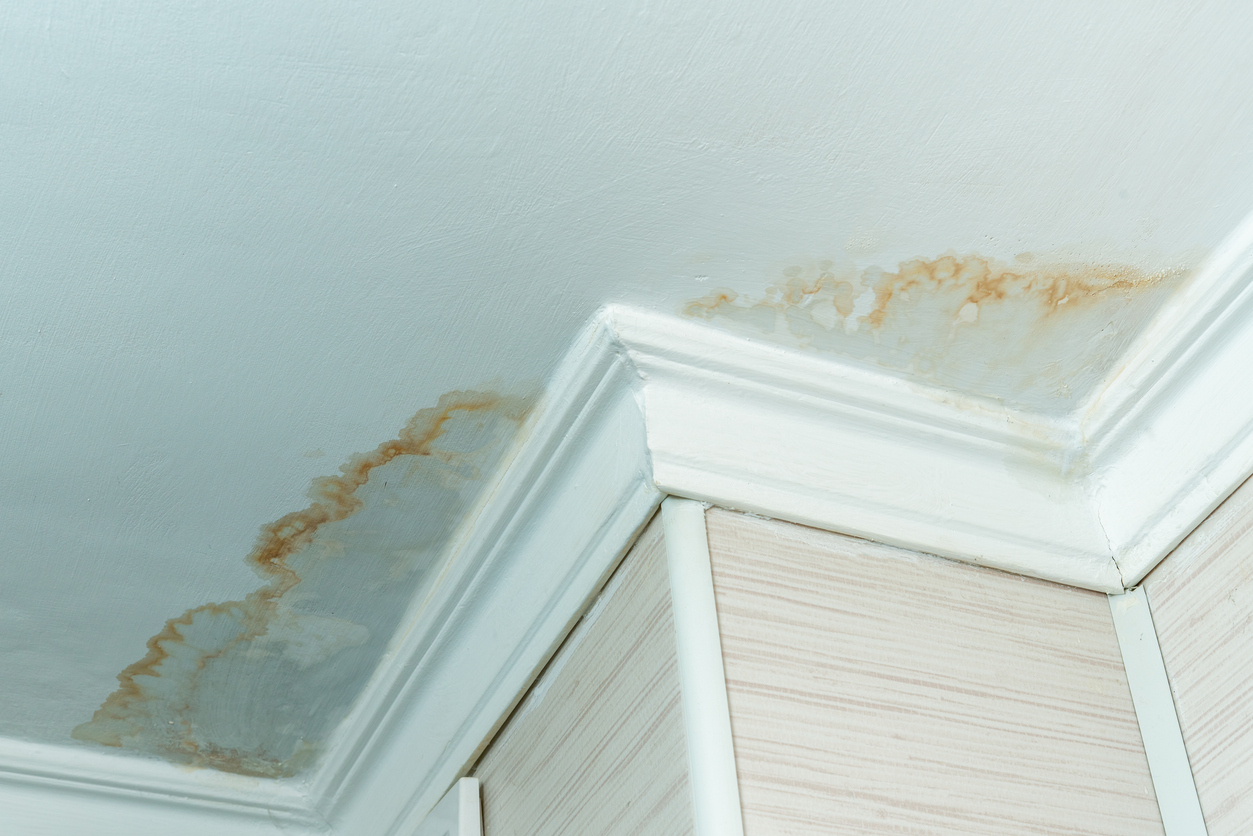
One of the most dangerous assumptions homeowners make after winter storms is believing that water damage is no longer a problem once surfaces appear dry. In Marine Hills Federal Way, delayed winter water damage is especially common due to sloped lots, aging construction, and repeated exposure to wind-driven rain. Even when damage is discovered weeks later, professional restoration is still necessary to prevent structural deterioration, mold growth, and indoor air quality issues.
Marine Hills homes often experience moisture intrusion that develops quietly. By the time homeowners notice changes in flooring, wall texture, or air quality, water has usually already spread behind finished surfaces. This is why delayed damage should never be ignored.
How Winter Water Damage Goes Undetected in Marine Hills Homes
Winter water damage does not always come from dramatic events. Small roof leaks, siding failures, or foundation seepage allow moisture to enter slowly over time. Cold temperatures reduce evaporation, allowing water to linger in insulation, wall cavities, and subfloors.
Unlike obvious emergencies that immediately require water damage restoration, delayed winter damage often remains hidden until materials begin to fail. In Marine Hills, elevation changes and hillside drainage patterns make this type of concealed damage especially common.
Why “Old” Water Damage Is Still a Serious Problem
Homeowners sometimes believe that if water damage is not addressed immediately, restoration is no longer effective. In reality, delayed water damage often requires more comprehensive restoration than fresh losses.
Moisture trapped inside materials leads to swelling, warping, and breakdown over time. Wood framing remains damp, drywall loses strength, and insulation becomes a long-term moisture reservoir. These conditions significantly increase the likelihood that professional mold removal and testing will be required.
Delayed damage also compromises indoor air quality, even if no visible mold is present. Microbial growth can begin deep within materials and spread unnoticed.
What Restoration Looks Like When Damage Is Discovered Late
Restoration after delayed winter water damage begins with a detailed inspection. Restoration professionals use moisture meters and thermal imaging to locate hidden moisture behind walls, ceilings, and floors. This step is critical because visible damage rarely reflects the full extent of the problem.
Once moisture mapping is complete, restoration focuses on controlled drying and material removal where necessary. Saturated insulation, compromised drywall, and damaged finishes are removed to expose structural components. This allows complete drying and prevents moisture from continuing to migrate.
This process is an essential part of proper water damage restoration, even when the original water event occurred weeks earlier.
Why Mold Risk Increases With Delayed Water Damage
Time is one of the most important factors in mold development. When moisture remains trapped inside materials for extended periods, mold growth becomes more likely. Delayed winter damage creates ideal conditions for mold because materials stay damp during cold months and then warm up as spring approaches.
In Marine Hills homes, mold often develops inside wall cavities, behind baseboards, or above ceilings. Professional restoration addresses both moisture removal and mold prevention, reducing the risk of widespread contamination.
Crawl Spaces and Delayed Winter Damage
Crawl spaces are a common source of delayed water damage in Marine Hills. Winter rain saturates soil, increasing humidity beneath homes. Moisture slowly migrates upward, affecting insulation, subfloors, and indoor air quality.
Restoration teams evaluate crawl space conditions carefully, ensuring moisture is removed and ventilation issues are corrected. Addressing crawl space moisture also helps prevent secondary issues such as sewage backup cleanup, which can occur when saturated ground places stress on drainage systems.
Why Drying Alone Is Not Enough
Some homeowners attempt to address delayed water damage by using fans or household dehumidifiers. While this may reduce surface moisture, it does not remove water trapped deep inside materials. Without professional equipment and moisture verification, damp conditions remain.
Professional restoration uses industrial drying systems and continuous monitoring to ensure materials return to safe moisture levels. This approach prevents recurring damage and protects repairs from failing in the future.
Insurance Challenges With Delayed Winter Water Damage
Insurance claims involving delayed water damage can be complex. Carriers often question timelines and causes when damage is discovered weeks after the original event. This is where professional restoration documentation becomes critical.
Restoration teams provide moisture readings, drying logs, photographs, and detailed reports that help demonstrate the extent and cause of damage. Documentation is especially important when delayed water damage contributes to other risks, such as electrical concerns that increase the likelihood of fire and smoke damage.
Why February Is Still the Right Time for Restoration
Even when winter damage is discovered late, February is still an ideal time for restoration. Addressing moisture now prevents rapid deterioration as temperatures rise and humidity increases. It also limits the scope of repairs needed before spring storms arrive.
Early restoration stabilizes the home, protects indoor air quality, and reduces the risk of emergency damage later in the year.
When to Call Restoration 24/7
If your Marine Hills Federal Way home shows signs of lingering moisture, warped materials, musty odors, or unexplained humidity after winter storms, professional restoration should begin immediately. Delayed damage often hides serious underlying problems.
911 Restoration of Seattle provides residential and commercial restoration services throughout Federal Way and surrounding communities. Even delayed winter water damage can be effectively addressed with the right restoration approach.