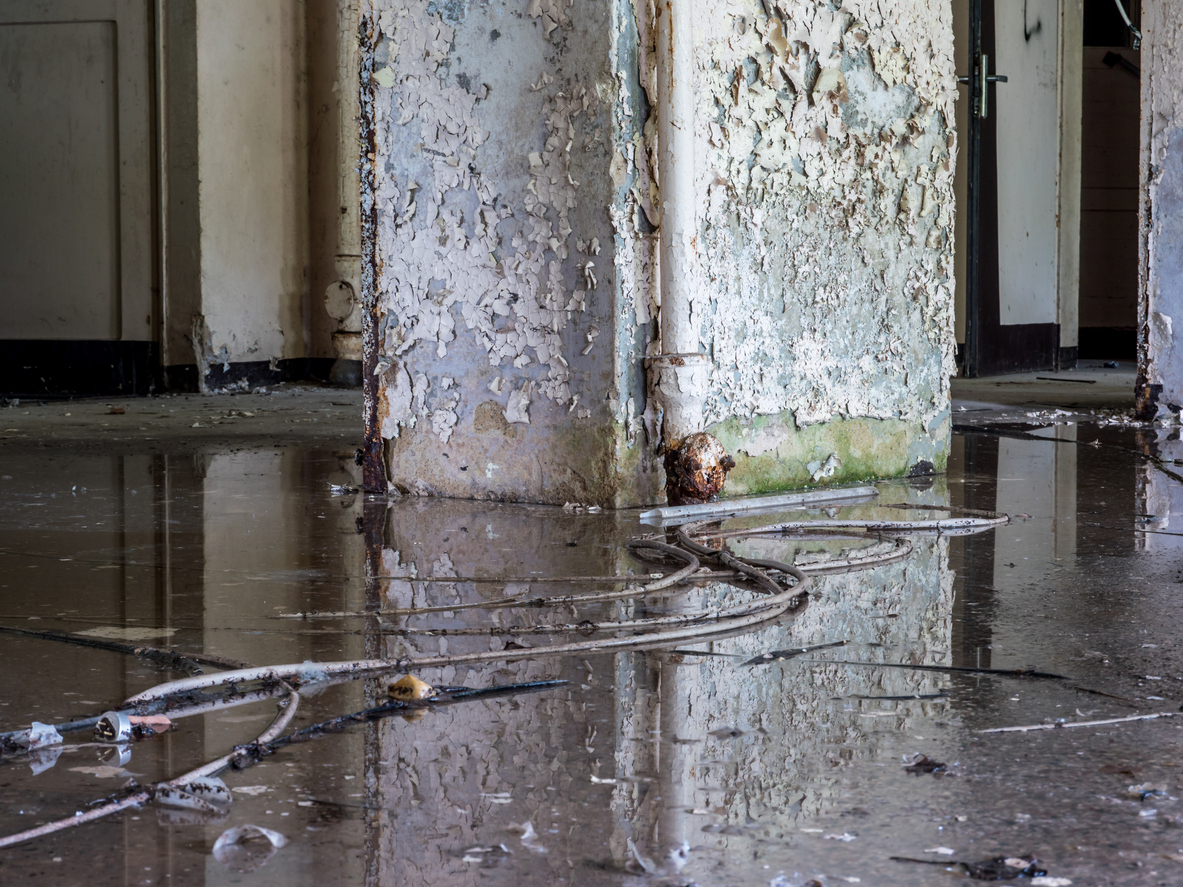
Basements and lower levels in Edgewood WA homes often take the hardest hit during February. After months of winter rain, saturated soil, and fluctuating temperatures, moisture pressure builds against foundations and seeps into lower living spaces. Even when water intrusion is minimal or slow, the damage can spread quietly into walls, flooring, and insulation. Proper restoration after February moisture focuses on drying lower levels completely, stabilizing materials, and preventing recurring damage as spring approaches.
Edgewood’s mix of hillside properties and older construction makes lower-level moisture problems especially common. Partnering with a local restoration provider like 911 Restoration of Seattle ensures basement and lower-level damage is addressed with a clear understanding of regional drainage and soil conditions.
Why Lower Levels Are Vulnerable in February
By February, ground saturation in Edgewood is often at its peak. Repeated rainfall prevents soil from draining properly, increasing hydrostatic pressure against foundation walls. Moisture finds its way through small foundation cracks, porous concrete, and wall penetrations.
Unlike sudden flooding that immediately requires water damage restoration, lower-level moisture often enters slowly. Dampness may appear as darkened baseboards, curling flooring, or elevated humidity rather than standing water. Because the intrusion is subtle, damage often progresses unnoticed.
How February Moisture Damages Basements and Lower Levels
Lower-level materials are particularly sensitive to moisture. Drywall absorbs water quickly and deteriorates near the floor line. Flooring systems trap moisture underneath, leading to warping and delamination. Insulation inside basement walls can remain wet for extended periods, feeding mold growth.
As moisture lingers, conditions become favorable for microbial growth, increasing the likelihood that professional mold removal and testing will be needed. Mold in lower levels often remains hidden behind walls or storage areas, spreading before homeowners realize there is a problem.
What Proper Basement and Lower-Level Restoration Involves
Restoration begins with a comprehensive inspection to determine how moisture entered and how far it spread. Restoration professionals use moisture meters and thermal imaging to locate damp areas behind walls, under flooring, and inside wall cavities.
Once affected areas are identified, controlled drying begins. Industrial dehumidifiers and air movers are positioned to remove moisture from structural materials without spreading it to upper levels. Damaged drywall, insulation, and flooring may be removed to allow complete drying. This process is essential to effective water damage restoration in basements and lower levels.
Containment is used when necessary to protect unaffected areas, especially if mold growth is suspected or confirmed.
Why Surface Drying Is Not Enough in Lower Levels
Some homeowners attempt to address basement moisture with household fans or portable dehumidifiers. While these methods may reduce surface dampness, they do not remove moisture trapped inside walls or under flooring.
Professional restoration verifies dryness using moisture readings taken throughout the process. This ensures that materials are safe to repair and reduces the risk of moisture returning after restoration is complete.
Crawl Spaces and Lower Levels in Edgewood Homes
In many Edgewood homes, crawl spaces and lower levels work together to spread moisture. Saturated soil beneath the home raises humidity levels, which then migrate into basements and lower living areas.
Restoration teams evaluate crawl spaces as part of the overall restoration plan. Addressing crawl space moisture helps prevent recurring basement issues and reduces the likelihood of secondary problems such as sewage backup cleanup during periods of heavy rainfall.
Insurance Considerations for Basement Moisture Damage
Insurance claims related to basement moisture damage can be complex. Coverage often depends on the source of water intrusion and how quickly damage was addressed. Professional restoration documentation plays an important role in supporting claims.
Restoration teams provide moisture readings, photographs, drying logs, and detailed reports that help establish the extent and cause of damage. Documentation is also critical if basement moisture contributes to electrical hazards that increase the risk of fire and smoke damage.
Why February Restoration Protects Homes Before Spring
February moisture damage left untreated can worsen rapidly as temperatures rise. Warm air increases evaporation, driving moisture deeper into materials and accelerating mold growth. Addressing basement and lower-level damage now prevents more extensive restoration needs in spring.
Early restoration also protects property value and helps homeowners avoid emergency repairs during peak storm seasons.
When to Call Restoration 24/7
If your Edgewood WA home has a damp basement, persistent humidity, or signs of moisture in lower living areas, professional restoration should begin as soon as possible. Lower-level moisture problems rarely resolve on their own.
911 Restoration of Seattle provides residential and commercial restoration services throughout Edgewood and surrounding communities. Professional basement and lower-level restoration after February moisture protects your home and prevents ongoing damage.