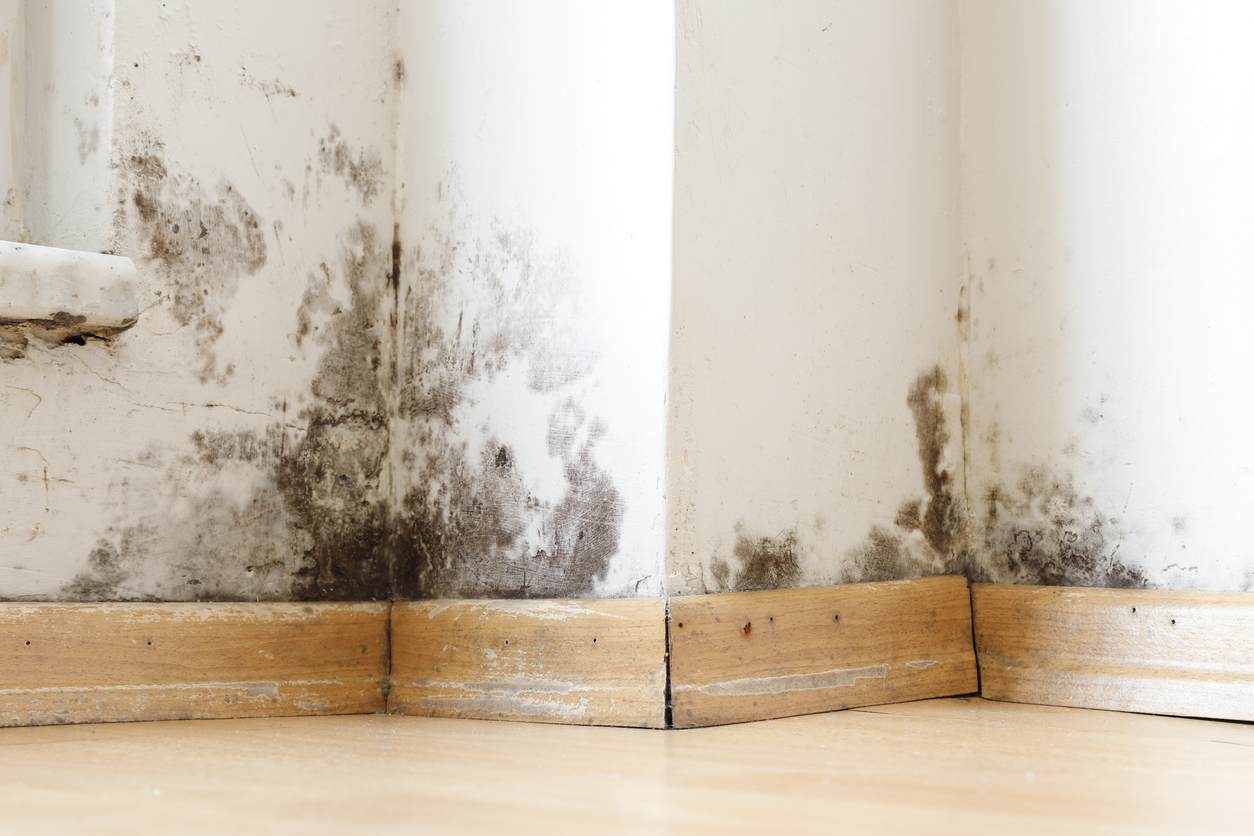
Hidden mold is one of the most common discoveries homeowners face near the end of winter in Browns Point. After months of cold rain, coastal moisture, and limited ventilation, mold can develop quietly behind walls, under flooring, and inside crawl spaces without any obvious warning signs. By the time a musty odor appears or air quality feels off, mold growth is often already established. Proper restoration after hidden winter mold focuses on safe removal, moisture control, and rebuilding affected areas to prevent recurrence.
Browns Point homes are particularly vulnerable due to their proximity to Puget Sound, constant marine air, and exposure to wind-driven moisture. Working with a local restoration provider like 911 Restoration of Seattle ensures mold issues are addressed with a clear understanding of coastal conditions and late-winter moisture behavior.
Why Hidden Mold Develops During Winter in Browns Point Homes
Winter creates ideal conditions for mold growth in Browns Point. Cool temperatures slow evaporation, while coastal humidity keeps materials damp for extended periods. Moisture enters homes through roof transitions, siding gaps, crawl spaces, and condensation inside wall cavities.
Unlike sudden events that immediately require water damage restoration, winter moisture often spreads slowly and remains trapped. Insulation, drywall, and wood framing absorb moisture and stay damp long enough for mold spores to activate and grow out of sight.
Because these conditions develop gradually, homeowners rarely notice mold until it begins affecting air quality or spreads into visible areas.
Common Places Mold Hides After Winter
In Browns Point homes, mold frequently develops in areas that are rarely inspected. Wall cavities behind exterior walls, attic insulation near rooflines, and crawl spaces beneath living areas are common problem zones. Mold may also form behind baseboards, under carpeting, or inside lower cabinets where airflow is limited.
Hidden mold often produces subtle signs such as persistent odors, increased allergy symptoms, or unexplained humidity rather than visible staining. Professional inspection is critical to identify the full extent of contamination before it spreads further.
What Professional Restoration Looks Like After Hidden Mold Is Found
Restoration after hidden mold begins with a comprehensive assessment. Restoration professionals identify the moisture source, map affected areas, and determine whether mold has spread beyond visible surfaces. Without moisture control, mold remediation alone will fail.
Once affected areas are identified, containment is installed to prevent spores from spreading during cleanup. Air filtration systems are used to maintain safe indoor air quality. Contaminated materials are carefully removed, and remaining surfaces are cleaned and treated according to industry standards. This process is part of professional mold removal and testing and must be performed with proper controls in place.
After mold removal, drying and verification ensure moisture levels are reduced to safe ranges before rebuilding begins.
Why Hidden Mold Often Indicates Past Water Damage
Mold rarely develops without an underlying moisture problem. In many Browns Point homes, hidden mold is a delayed result of winter water intrusion that was never fully dried. Small roof leaks, condensation issues, or crawl space moisture often provide the sustained dampness mold needs to grow.
Professional restoration addresses both the mold and the water damage that caused it. Drying and stabilization are completed as part of comprehensive water damage restoration, reducing the risk of mold returning after cleanup.
Crawl Spaces and Hidden Mold in Coastal Homes
Crawl spaces are a major contributor to hidden mold in Browns Point. Coastal humidity, saturated soil, and limited ventilation allow moisture to accumulate beneath homes throughout winter. Damp air rises from crawl spaces into walls and living areas, spreading mold spores and odors.
Restoration teams evaluate crawl space conditions as part of the remediation plan. Drying, dehumidification, and airflow corrections help prevent moisture from re-entering the home. Addressing crawl space moisture also reduces the risk of secondary issues such as sewage backup cleanup during periods of heavy rainfall.
Why DIY Mold Cleanup Is Not Effective
Attempting to clean mold without proper containment and moisture control often makes the problem worse. Scrubbing visible mold can release spores into the air, spreading contamination to unaffected areas. Household cleaners also do not address mold growing behind walls or under floors.
Professional restoration uses containment, air filtration, and verified drying to ensure mold is removed safely and completely. This approach protects occupants and prevents cross-contamination during the remediation process.
Insurance Considerations for Mold Discovered After Winter
Insurance coverage for mold varies depending on the cause. When mold is linked to a covered water damage event, professional documentation becomes essential. Restoration teams provide moisture readings, photographs, and remediation records that help support insurance claims.
Documentation is also important when mold-related moisture contributes to electrical hazards that increase the risk of fire and smoke damage within the home.
Why February Is a Critical Time to Address Hidden Mold
As winter transitions into spring, rising temperatures and humidity can accelerate mold growth if moisture remains. Addressing hidden mold in February prevents rapid expansion and limits the scope of restoration needed later.
Early remediation also protects property value and indoor air quality, helping homeowners avoid emergency restoration during warmer months.
When to Call Restoration 24/7
If your Browns Point home has persistent musty odors, unexplained humidity, or signs of mold after winter storms, professional restoration should begin immediately. Hidden mold rarely resolves on its own and often indicates broader moisture issues.
911 Restoration of Seattle provides residential and commercial restoration services throughout Browns Point and surrounding communities. Proper restoration after hidden winter mold protects your home and restores a healthy indoor environment.