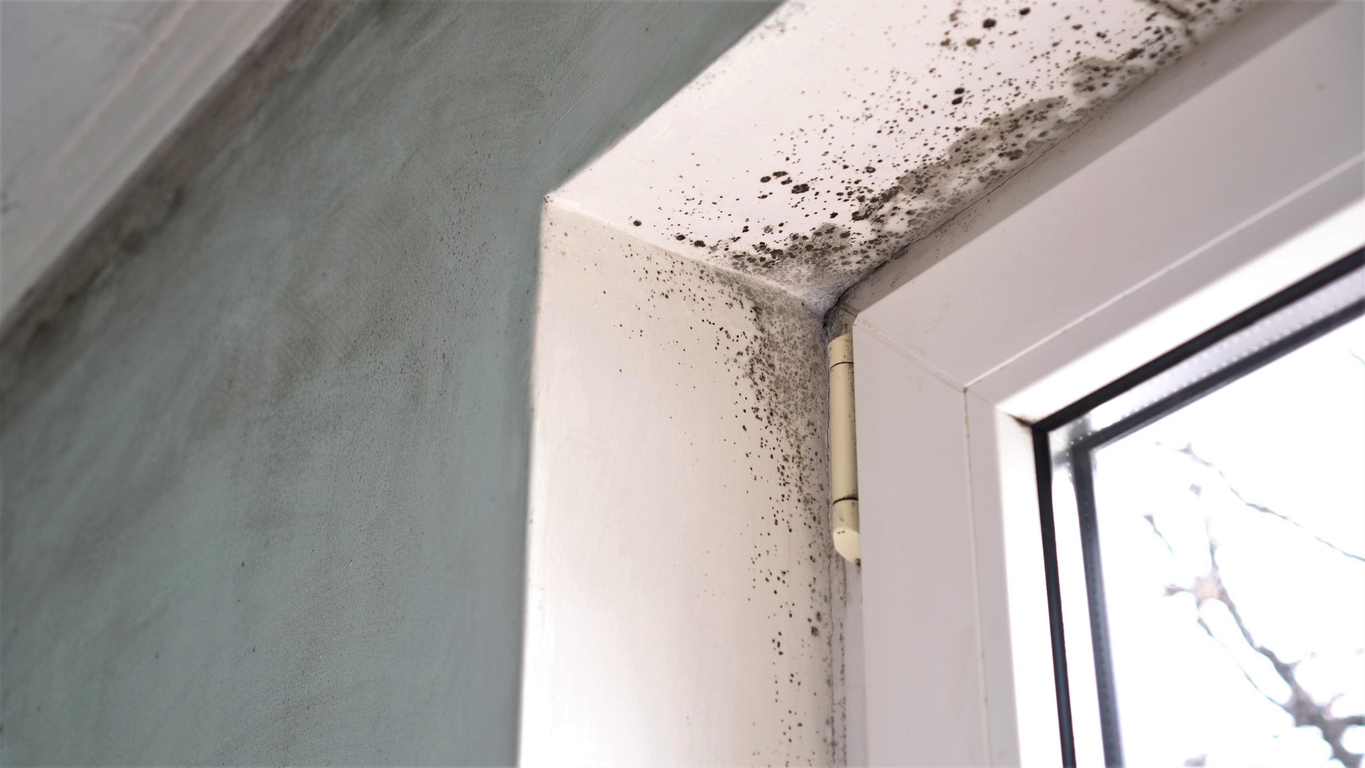
In Browns Point Tacoma, March is not when mold starts.
It’s when mold gets found.
Homeowners near Browns Point Lighthouse, along Soundview Drive, and throughout the marine-facing bluff neighborhoods often go all winter without obvious signs of water damage. Then, as temperatures shift and spring cleaning begins, they open a closet, move storage bins, or check an attic — and discover dark staining, damp insulation, or a persistent musty odor that wasn’t obvious in January.
The mold didn’t suddenly appear.
The environment finally reached its tipping point.
This is not about prevention.
This is about restoring homes after hidden mold has already developed.
And that is when professional mold removal and testing becomes critical in Browns Point Tacoma.

The Marine Humidity Trap in Browns Point
Browns Point sits at the edge of Tacoma’s northeastern boundary, surrounded by marine air from Commencement Bay and Puget Sound. Homes here experience:
- Persistent salt-laden air
- Wind-driven moisture
- Frequent condensation cycles
- Slower exterior drying times
Unlike inland Tacoma neighborhoods, Browns Point properties absorb and retain humidity throughout winter — even on days without rain.
Moisture enters wall cavities through micro gaps in siding seams. Attic spaces accumulate condensation under roofing systems exposed to cold marine air. Crawl spaces remain damp longer due to shaded lots and coastal airflow patterns.
All winter, the moisture builds quietly.

Why Mold Is Being Discovered in March
During colder months, microbial growth may remain slower and less noticeable. Homes stay closed. HVAC systems circulate indoor air without much outside exchange.
In March, homeowners begin:
- Opening windows
- Running fans
- Cleaning garages and storage rooms
- Entering crawl spaces for the first time in months
Air movement redistributes spores. Slightly warmer temperatures accelerate growth. What was contained inside insulation cavities begins producing detectable odor.
That’s when restoration calls increase in Browns Point.

Bluff Homes and Hidden Wall Saturation
Many Browns Point homes sit on sloped lots with partial daylight basements. These designs create multiple moisture exposure zones:
- Marine-facing exterior walls
- Below-grade foundation sections
- Balcony and deck ledger connections
- Attic edges along bluff-facing slopes
Wind-driven rain may have entered months ago, but interior drywall remained visually intact.
Behind that drywall, insulation may now be colonized.
Once mold establishes in wall cavities, removal requires more than surface cleaning.
What Restoration Looks Like After Hidden Mold Is Found
When mold has already developed inside a Browns Point home, the goal shifts to containment and structural correction.
Restoration typically includes:
- Controlled containment zones
- Air filtration to prevent cross-contamination
- Removal of contaminated drywall and insulation
- Structural drying of framing
- Post-remediation verification
If the underlying moisture source is not corrected — whether from attic condensation or bluff-driven rain — mold will return.
In many cases, hidden mold discovery is paired with underlying water damage restoration once structural moisture is identified.

Why Browns Point Differs From Other Tacoma Neighborhoods
Compare Browns Point to:
- North End Tacoma plateau neighborhoods
- Central Tacoma fill-soil zones
- Industrial valley areas near Fife
The difference is marine exposure.
Salt air accelerates fastener corrosion. Bluff winds drive rain horizontally. Shaded lots slow evaporation.
Those combined factors make mold discovery more common here in early spring.
The pattern is environmental — not accidental.

Secondary Damage Risks in Marine Homes
When mold develops due to prolonged moisture exposure, it may also signal hidden system stress.
Attic moisture can affect:
- Electrical wiring
- Recessed lighting
- Insulated ductwork
Prolonged dampness increases corrosion risk and may contribute to hazards associated with fire and smoke damage if left unresolved.
Similarly, saturated soil around older sewer laterals in marine bluff neighborhoods can increase the likelihood of requiring sewage backup cleanup during heavy spring storms.
Mold is often the first visible sign of broader moisture behavior.
Why Immediate Action Matters
Once mold becomes visible or detectable by odor, colony growth is already active. Warmer spring temperatures accelerate expansion.
Waiting even a few weeks allows:
- Greater wall cavity spread
- Larger demolition areas
- Higher reconstruction cost
Prompt remediation limits contamination and stabilizes indoor air quality before peak humidity season.

When Browns Point Tacoma Homeowners Should Call
If you live in Browns Point Tacoma and notice:
- Persistent musty odor
- Dark staining behind furniture or inside closets
- Allergy symptoms increasing indoors
- Damp attic insulation
You are likely dealing with hidden marine-driven mold growth.
911 Restoration of Seattle provides residential and commercial restoration services throughout Tacoma, including Browns Point and surrounding bluff neighborhoods. Restoration here requires containment, structural drying, and correction of marine-driven moisture patterns — not surface cleaning alone.