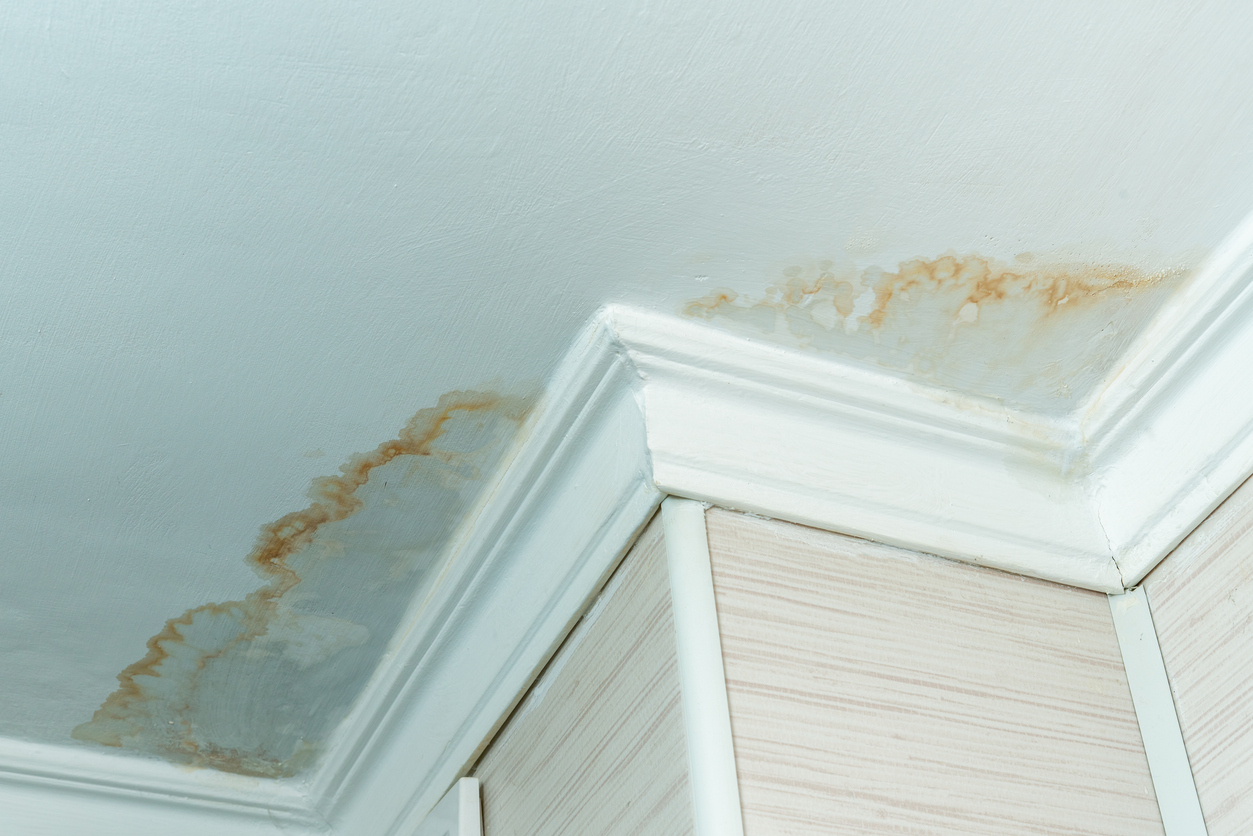
One of the biggest mistakes homeowners make after water damage is assuming the problem is over once the visible water disappears.
The floor dries.
The stain fades.
The leak stops.
But inside the structure, the damage may still be getting worse.
And in Des Moines — especially near Redondo, Woodmont, and the waterfront neighborhoods overlooking Puget Sound — hidden moisture often lingers far longer than homeowners realize.
Because coastal humidity changes how homes dry.
And when moisture remains trapped inside structural materials, small water damage can slowly turn into major structural repairs.

The Most Dangerous Water Damage Is Usually Hidden
Visible flooding gets attention immediately.
Hidden moisture does not.
That’s why many homeowners don’t realize there’s a serious issue until:
- flooring starts shifting
- walls soften
- trim separates
- structural movement appears
At that point, the damage has often been spreading for weeks or months behind the surfaces.

How Moisture Becomes Structural Damage
Water does not stay in one place.
Once it enters the home, it spreads into:
- framing
- subfloors
- insulation
- support materials
Over time:
- wood absorbs moisture
- structural materials weaken
- fasteners corrode
- flooring systems begin shifting
This is where proper water damage restoration becomes critical.
Because drying surfaces alone does not stop structural deterioration.
Why Des Moines Homes Are More Vulnerable
Local environmental conditions matter heavily in coastal Washington communities.
Waterfront Humidity
Marine air slows natural evaporation inside homes.
Bluff-Side Exposure
Wind-driven moisture pushes water into siding systems and roof transitions.
Older Construction
Many Des Moines homes contain older framing and insulation systems that absorb water aggressively.
Together, these conditions create slower drying environments where hidden moisture persists longer.
The “We Thought It Was Dry” Problem
This is one of the most common scenarios we see.
Homeowners:
- clean visible water
- run fans
- replace damaged drywall
But no professional moisture testing is performed.
Meanwhile:
- framing remains damp
- subfloors continue absorbing moisture
- hidden structural spread continues
Weeks later:
- floors become uneven
- walls begin softening
- odor develops
- repairs fail
Because the structure itself never fully dried.
Early Signs Structural Damage Is Developing
Structural moisture damage often begins subtly.
Homeowners may notice:
- squeaking floors
- slight sagging
- drywall cracks
- doors shifting
- flooring movement
These are often signs the structure beneath the visible surfaces is changing.
And once structural materials begin moving, repairs become much more extensive.
Why Delayed Restoration Changes Everything
The longer moisture remains inside structural materials:
- the weaker they become
- the further water spreads
- the more demolition may be required
Early-stage restoration may only involve:
- targeted drying
- limited material removal
Delayed response may require:
- framing repair
- floor system replacement
- reconstruction work
That escalation is what drives restoration costs dramatically higher.
Why Surface Repairs Often Fail
Many homeowners unknowingly repair cosmetic symptoms instead of the underlying damage.
For example:
- repainting water stains
- replacing flooring too early
- patching drywall before drying verification
This traps moisture inside the structure.
And once the home is closed back up:
- drying stops
- deterioration continues
- repairs fail again
This is one of the main reasons homeowners end up paying for repeat restoration work.
The Role of Professional Flood Cleanup Services
Professional flood cleanup services involve much more than water extraction.
A complete restoration process should include:
- thermal imaging
- structural moisture readings
- subfloor inspection
- cavity drying
- humidity control
- drying verification
Without these steps, hidden structural moisture often remains active.
Why Coastal Homes Require Longer Drying
Homes in Des Moines frequently require:
- longer equipment use
- deeper structural inspection
- more aggressive dehumidification
Because marine humidity continuously slows evaporation.
This is especially true in:
- crawl spaces
- lower-level framing
- wall cavities facing the waterfront
That’s why coastal water damage should never be treated as a standard drying job.
Secondary Risks Homeowners Often Miss
Structural moisture can also affect:
- electrical systems
- HVAC ducting
- structural connectors
- insulation performance
Over time, this increases risks associated with fire and smoke damage if electrical systems degrade.
In severe water intrusion events, homes may also require sewage backup cleanup if contaminated water becomes involved.
Why Early Restoration Protects the Structure
The faster restoration begins:
- the more structural materials can potentially be saved
- the less demolition becomes necessary
- the lower long-term repair costs remain
That’s why 24-hour emergency restoration matters even when the visible damage seems manageable.
When Des Moines Homeowners Should Call Immediately
If your home has:
- soft or uneven flooring
- recurring water stains
- structural movement
- hidden moisture concerns
- lingering dampness after repairs
the damage may already be affecting the structure beneath the surface.
911 Restoration of Seattle provides water damage restoration, structural drying, flood cleanup services, and full 24-hour emergency restoration for hidden moisture and structural water damage throughout the Des Moines area.
The most expensive structural repairs usually begin with water damage homeowners thought had already dried.