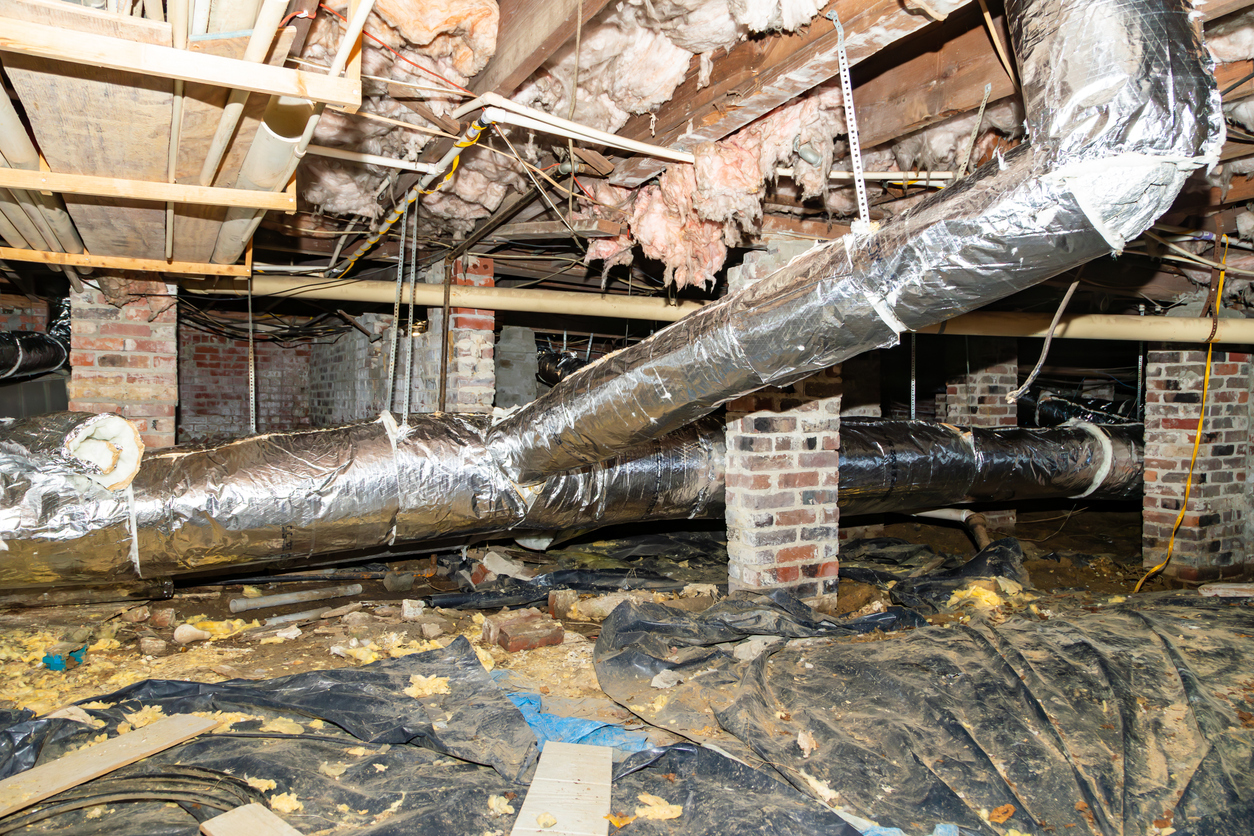
If you own a home in Seattle, chances are you’ve dealt with moisture in some form—rain seeping into the foundation, high humidity in the basement, or that persistent musty smell lingering in a lower-level room. But one area that too many homeowners ignore is also one of the most vulnerable to mold: the crawl space.
At 911 Restoration of Seattle, we’ve seen it all—from minor crawl space condensation to full-blown mold infestations threatening the health of the entire household. And in almost every case, the problem could have been reduced—or avoided entirely—with a timely inspection.
Now that the rains of spring are behind us and warmer, more humid days are ahead, June is the perfect time to schedule a crawl space inspection. Here’s why it matters, what it includes, and how it protects your Seattle home long-term.

Why Seattle Crawl Spaces Are Prone to Mold
Seattle’s moderate climate comes with a downside: extended wet seasons and elevated humidity, especially in older homes. Crawl spaces, particularly in neighborhoods like Ballard, Beacon Hill, and West Seattle, are often:
- Unsealed or poorly insulated
- Lacking proper vapor barriers
- Built on sloped lots, which funnels runoff toward the home
- Equipped with minimal ventilation
- Prone to plumbing leaks and condensation
All these factors create a perfect storm for moisture to accumulate and stagnate beneath your home. Add a bit of warmth in June and July, and mold growth becomes almost inevitable—unless you catch it early.

Signs It’s Time for a Crawl Space Inspection
Because most homeowners don’t regularly access their crawl space, warning signs are often overlooked. You may not know something is wrong until mold has already spread beyond the subfloor.
Here are key indicators that it’s time to schedule an inspection:
- Musty odors coming from vents or lower floors
- Warped or buckling floors above the crawl space
- Increased allergy symptoms indoors, even after pollen season
- Visible staining or mold on baseboards or flooring
- Higher-than-usual indoor humidity despite dry outdoor weather
- You’ve had plumbing leaks, flooding, or standing water under the home in the past year
Even new homes in areas like Northgate or Shoreline aren’t immune—builders often skip vapor barriers or cut corners on moisture control.
What a Crawl Space Inspection Includes
A thorough crawl space inspection isn’t just about peeking under your home with a flashlight. At 911 Restoration of Seattle, we use advanced tools and restoration expertise to evaluate every mold risk factor:
- Visual inspection of joists, subfloor, insulation, and vapor barriers
- Moisture mapping to detect areas of saturation
- Thermal imaging to find hidden leaks or condensation behind walls
- Humidity readings to assess air quality under the home
- Mold sampling or air testing, if contamination is suspected
- Ventilation system evaluation to determine airflow effectiveness
After the inspection, we provide a detailed report of our findings, including photos and recommendations for mold prevention or remediation.

Why Early Detection Matters
Mold growth typically begins within 24 to 48 hours of sustained moisture exposure. But because crawl spaces are out of sight, it can take weeks—or even months—before symptoms reach your living space.
By the time you smell mold or see signs upstairs, it may have:
- Compromised wooden support beams
- Contaminated your HVAC system
- Spread into insulation or wall cavities
- Started affecting your indoor air quality
Early detection helps you avoid costly repairs and extensive remediation, especially during the warm, stagnant months of summer.

Our Crawl Space Mold Prevention & Remediation Services
If your inspection reveals mold or moisture problems, 911 Restoration of Seattle offers a full suite of services to address the issue:
- Mold removal and decontamination
- HEPA air filtration and containment systems
- Structural drying with commercial-grade equipment
- Installation or repair of vapor barriers
- Ventilation improvements or dehumidifier recommendations
- Waterproofing and foundation sealing, when needed
All work is performed by IICRC-certified technicians with experience in Seattle’s unique building styles and climate.
Tips for Long-Term Crawl Space Protection
To keep your crawl space—and your home—dry and mold-free, consider:
- Installing a high-quality vapor barrier over the soil floor
- Extending downspouts to move rainwater away from your foundation
- Keeping landscaping trimmed and properly graded
- Running a crawl space dehumidifier if humidity stays high year-round
- Scheduling annual inspections, especially after heavy rainfall or winter thaw
Remember: mold prevention is much cheaper than mold remediation.
Don’t Wait Until You Smell It Upstairs
Seattle homeowners often wait until visible symptoms appear before investigating their crawl space—but by then, the damage is done. A simple, affordable inspection in early summer can protect your air quality, structural integrity, and long-term property value.
Whether you’re in Rainier Valley, West Seattle, or anywhere in the greater King County region, 911 Restoration of Seattle is ready to help. We provide fast, honest evaluations and reliable service, backed by years of experience and local knowledge.
Schedule your inspection today through our contact page, or call us 24/7 if you suspect a mold emergency. We’re here to help you breathe easier and build smarter—starting from the ground up.