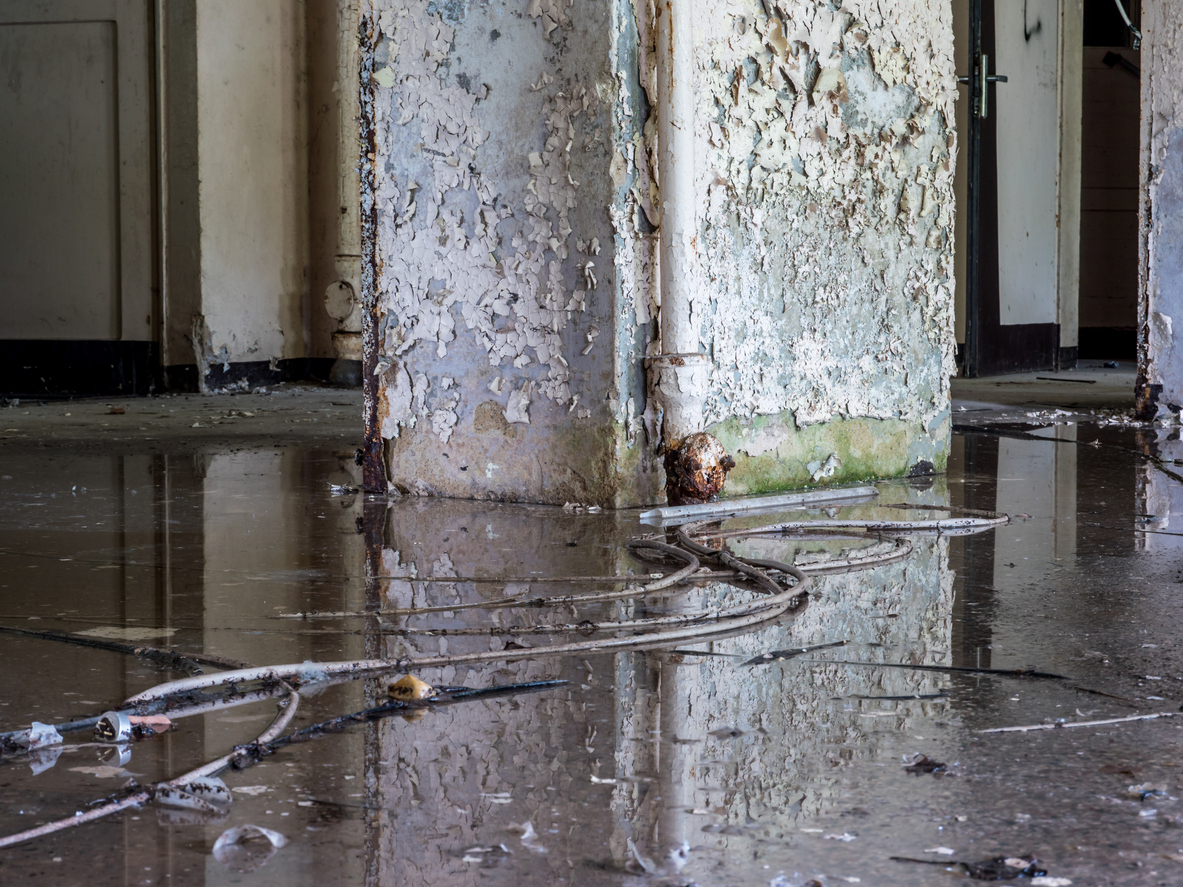
When water damage hits an apartment or condo building in Tacoma WA, the situation gets complicated fast.
One unit reports a ceiling leak.
Another unit smells something musty.
A third suddenly has wet carpet.
And the immediate question becomes:
“Who is responsible for this — and who pays for the restoration?”
In multi-unit buildings across Tacoma — especially in areas like the North End, South Tacoma, and complexes near Fife — water doesn’t stay contained to one unit.
By the time damage is visible, it has often already spread.
This is not a simple repair situation.
This is where water damage restoration in Tacoma becomes urgent — and responsibility needs to be sorted quickly.

Why Water Spreads Faster in Apartments and Condos
In single-family homes, water damage is usually contained within one structure.
In multi-unit buildings, everything is connected.
Water travels through:
- Shared wall cavities
- Ceiling voids
- Insulation between units
- Plumbing lines running vertically
A leak in an upstairs unit can affect:
- The unit directly below
- Adjacent units
- Hallways or shared spaces
By the time one tenant notices the issue, multiple units may already be affected.
That’s why flood cleanup services in apartments often involve more than one space.

The Three Common Responsibility Scenarios
1. Damage Starts Inside One Unit
If a tenant causes damage (overflowed tub, appliance failure, etc.), responsibility may fall on:
- The tenant’s insurance
- The unit owner (in condos)
However, once water spreads beyond that unit, restoration still needs to happen immediately — regardless of who ultimately pays.

2. Building System Failure
If the source is:
- Burst pipes
- Roof leaks
- Shared plumbing systems
Then responsibility often falls on:
- Property management
- HOA (in condo buildings)
- Building insurance
In Tacoma, many apartment buildings built in the 80s–2000s share aging plumbing infrastructure, making this a common scenario.

3. Unknown or Delayed Source
Sometimes no one notices the problem until multiple units are already affected.
For example:
- Slow leaks inside walls
- Roof intrusion during storms
- Hidden pipe failures
In these cases, determining responsibility can take time — but restoration cannot wait.

Why Restoration Happens Before Liability Is Decided
One of the biggest misconceptions is that you should wait until responsibility is clear.
That is a mistake.
Water damage continues to spread every hour.
Delaying restoration leads to:
- More units affected
- Higher repair costs
- Increased mold risk
That’s why 24-hour emergency restoration begins immediately — while insurance and responsibility are sorted afterward.

What Restoration Looks Like in Multi-Unit Buildings
Restoration in Tacoma apartment buildings typically includes:
- Multi-unit moisture inspections
- Containment to prevent spread
- Removal of shared insulation
- Structural drying across connected areas
- Air filtration to protect tenants
Because water travels through shared cavities, drying must address all affected areas — not just one unit.
If moisture remains trapped, it often leads to mold remediation near me searches from multiple tenants within days.

The Tenant vs Owner vs HOA Question
Here’s how it usually breaks down:
Tenant:
- Responsible for personal belongings
- May be liable if they caused the issue
Owner (condo):
- Responsible for interior unit repairs
HOA / Property Management:
- Responsible for shared systems and structure
However, every situation is different — and insurance companies ultimately determine coverage.
The key point is:
Restoration happens first. Responsibility gets sorted after.

Why Tacoma Buildings Are Especially Vulnerable
Many Tacoma apartment and condo buildings share:
- Similar construction timelines
- Aging plumbing systems
- Shared roof structures
In areas like South Tacoma and near Fife, soil conditions and drainage patterns can also contribute to moisture issues.
That combination increases the likelihood of multi-unit water damage events during spring.

Secondary Risks in Multi-Unit Water Damage
When water spreads through multiple units, it can affect:
- Electrical systems across walls
- HVAC systems shared between units
- Hallway air quality
Prolonged exposure increases risks associated with fire and smoke damage if wiring is compromised.
If contamination is involved — such as drain backups — the situation may require sewage backup cleanup across multiple units.
What You Should Do Right Away
If you’re dealing with apartment or condo water damage in Tacoma WA:
- Report the issue immediately to management or HOA
- Move belongings away from affected areas
- Avoid using water in affected units if advised
- Call for water damage restoration in Tacoma right away
Waiting allows the damage to spread — and increases the number of people affected.

When to Call Restoration Immediately
If you notice:
- Water coming through ceilings
- Multiple units reporting moisture
- Musty odor spreading between rooms
- Wet flooring or walls
You are already in a multi-unit restoration scenario.
911 Restoration of Seattle provides water damage restoration in Tacoma, including flood cleanup services, mold remediation, and full 24-hour emergency restoration for apartment and condo buildings.
In multi-unit properties, fast response protects not just one home — but the entire building.