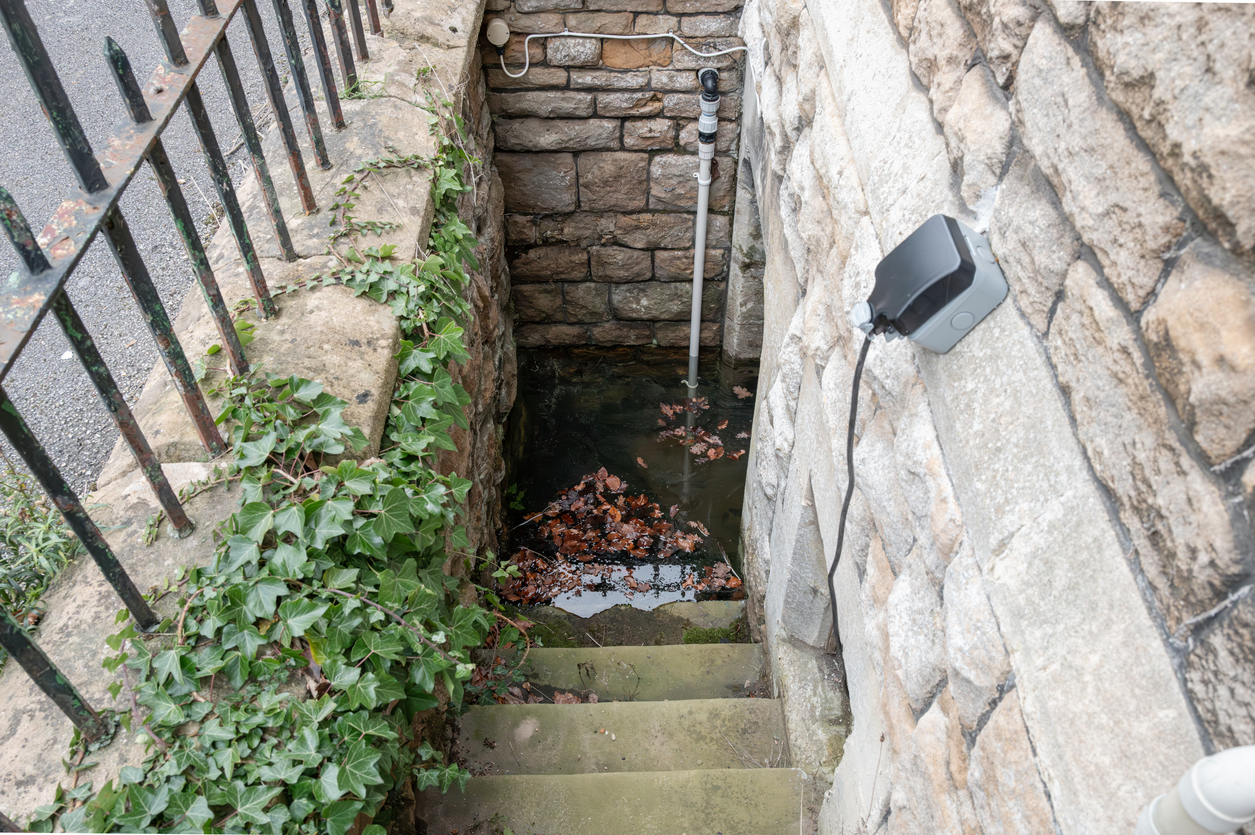
November Drainage Problems in Des Moines and Marine Hills
After weeks of steady rain, homeowners in Des Moines and Marine Hills start noticing water pooling near driveways, patios, and basement windows. The culprit? Piles of fallen leaves. When November storms arrive, these soggy leaves quickly clog exterior drains, gutters, and downspouts—trapping water exactly where it shouldn’t be.
It may seem like a minor inconvenience, but blocked exterior drainage can lead to significant property damage. From foundation leaks to flooded basements, wet leaves are more than just a yard maintenance issue—they’re an early sign of potential water damage.
How Leaves Cause Drainage Failures
During the fall, leaves accumulate faster than most drainage systems can handle. Here’s what happens when they block water flow:
- Clogged surface drains – Leaves mat together over grates, stopping rainwater from draining properly.
- Overflowing gutters – Gutter debris forces water to spill over roof edges and run down siding.
- Backed-up downspouts – Packed organic matter traps water inside, increasing pressure on joints.
- Foundation pooling – When runoff can’t escape, it collects near the house and seeps into basements or crawl spaces.
In neighborhoods like Marine Hills, where many homes sit on slopes, trapped stormwater can also wash away soil and cause structural settling.
Why This Problem Peaks in November
Early fall often brings light, scattered rainfall that doesn’t fully test drainage systems. But by November, consistent storms and wind make conditions ideal for clogging. Wet leaves are heavier and stickier than dry ones, binding together to form waterproof mats over drains and gutters.
Combine that with dropping temperatures and shorter daylight hours—and many homeowners delay cleaning just when it’s most important.
Warning Signs of a Blocked Drainage System
Before flooding occurs, your property often gives subtle clues. Look for:
- Standing puddles that don’t drain within 24 hours.
- Overflowing gutters during normal rainfall.
- Basement or crawl space dampness.
- Soil erosion near foundations.
- Musty odors or visible mold along lower walls.
Ignoring these early signs allows water to penetrate deeper into your home, increasing repair costs.
Preventing Clogs and Flooding
Taking a few preventive steps in November can save thousands in restoration costs later:
- Clean gutters and downspouts every two weeks during heavy leaf fall.
- Install gutter guards to reduce debris accumulation.
- Rake leaves away from exterior drains and window wells before storms.
- Use drain grates or leaf traps designed for high-flow areas.
- Check driveway and patio drains after each major storm.
If you continue to experience flooding despite these measures, there may be a deeper issue—like a collapsed pipe or poor yard grading—requiring professional inspection.
When to Call Restoration Experts
Once water breaches your home’s envelope, you’ll need more than a leaf blower to fix the problem. At 911 Restoration of Seattle, we provide:
- Emergency water damage restoration.
- Crawl space and basement water extraction.
- Mold removal to prevent health risks.
- Long-term waterproofing and grading solutions for your property.
Our team serves Des Moines and Marine Hills homeowners 24/7, helping restore safety and comfort after drainage-related flooding.
Why Speed Matters
Water left to sit around foundations or in basements quickly escalates into mold and rot. Within 48 hours, spores can begin forming in carpet padding, insulation, and drywall. Quick response not only saves your property—it also protects your indoor air quality.
Call to Action
Don’t let wet leaves put your home at risk this November. If your exterior drains or gutters have backed up and water is pooling near your home, contact 911 Restoration of Seattle for fast, professional water damage cleanup. We’ll clear the mess, dry your property, and make sure your home is ready for the rest of the rainy season.