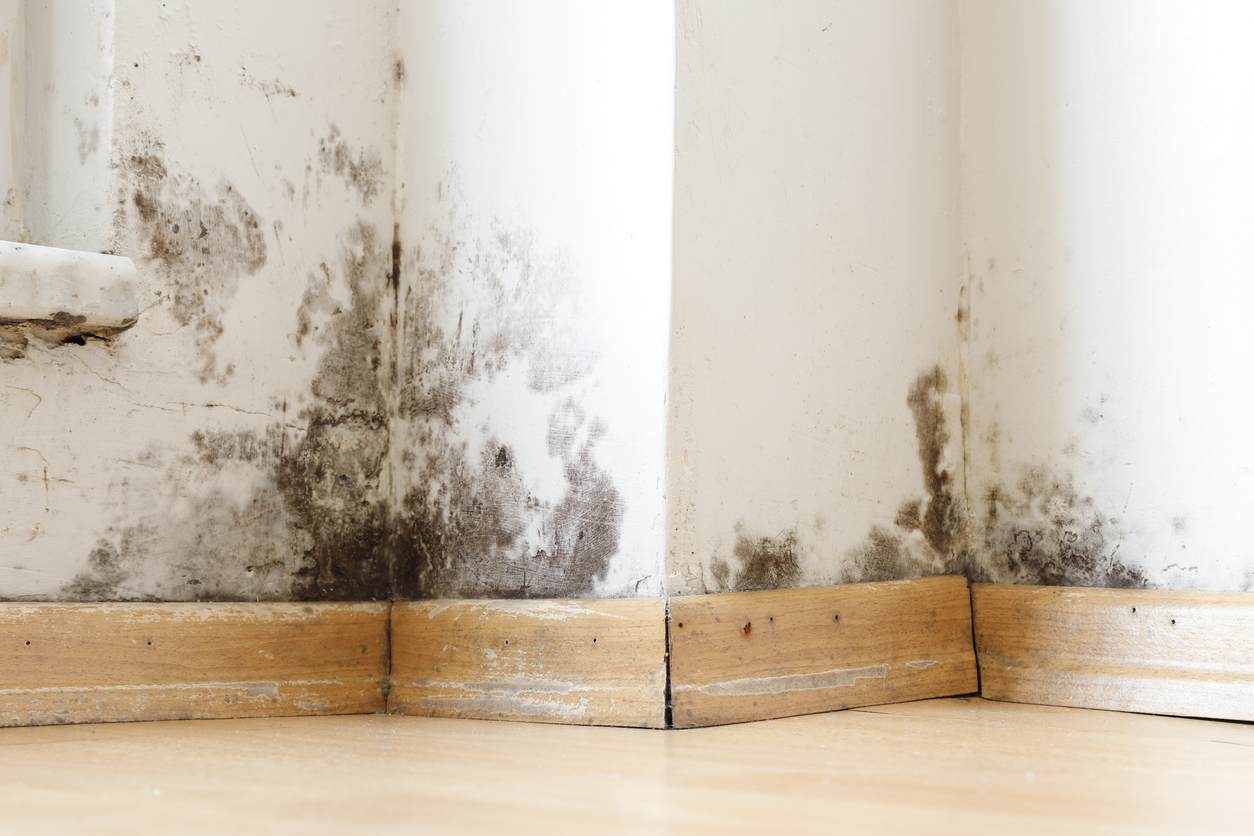
In Northeast Tacoma, January is when many homeowners finally notice a problem that quietly started weeks earlier. After the holidays, decorations come down, routines normalize, and attention returns to the home itself. That is often when attic mold is discovered. Dark spotting on rafters, a musty odor drifting downward, or moisture staining near ceiling access points are common first signs. What surprises many homeowners is that this mold did not appear overnight. It developed gradually during December, fueled by holiday humidity, closed-up homes, and winter temperature swings that trap moisture where it cannot escape.
Homes in Northeast Tacoma are particularly vulnerable due to elevation changes, marine air influence, and the number of older structures with aging ventilation systems. When warm, moisture-laden air from daily living rises into a cold attic, condensation forms. Over time, that condensation saturates insulation and wood framing, creating the ideal environment for mold growth.
Why Holiday Living Triggers Attic Mold
The holiday season creates a perfect storm of indoor moisture. Cooking for gatherings, long hot showers, extra laundry, and more people under one roof all raise humidity levels inside the home. In December, windows stay shut and ventilation is reduced to keep heat in. That moisture has to go somewhere.
In Northeast Tacoma homes, warm air naturally rises and escapes through ceiling penetrations, recessed lighting, attic hatches, and bathroom fan leaks. When that air hits the cold attic environment, it condenses on rafters and roof decking. Over days and weeks, moisture accumulates faster than it can dry. Mold spores, which are always present in the air, take advantage of the damp surfaces and begin colonizing.
By the time January arrives, visible mold growth may already be established. Homeowners often discover it while storing holiday items or checking insulation after noticing uneven heating.
Why Attics Are So Hard to Self-Diagnose
Attic mold is rarely obvious from inside the living space. Unlike bathroom mold, it does not start on visible surfaces. Instead, it grows on roof sheathing, trusses, and insulation backing. By the time discoloration is noticeable on ceiling drywall, the problem is often larger than it looks.
Many Northeast Tacoma homes also have low-slope or complex rooflines that limit airflow. When soffit vents are blocked by insulation or roof vents are undersized, moisture becomes trapped. Homeowners may assume the issue is a roof leak, but attic mold often forms without any exterior water intrusion at all.
This is why professional inspection matters. A trained restoration team can identify whether the moisture source is condensation, ventilation failure, roof intrusion, or a combination of factors. Without that diagnosis, remediation efforts may fail and mold will return.
The Risks of Leaving Attic Mold Untreated
Attic mold does not stay confined to the attic. As colonies grow, spores migrate downward through air movement, ductwork, and ceiling penetrations. This can affect indoor air quality throughout the home, triggering respiratory symptoms, headaches, and allergy-like reactions.
Structurally, prolonged moisture exposure weakens wood framing and reduces the effectiveness of insulation. Wet insulation loses its thermal value, causing higher heating costs and uneven temperatures. In severe cases, roof decking can begin to deteriorate, increasing the risk of future leaks or costly repairs.
From an insurance standpoint, delayed action can also create complications. If mold damage is classified as long-term neglect rather than a moisture event that was handled promptly, coverage may be limited. Early professional intervention helps document conditions and the necessary remediation steps.
Why Northeast Tacoma Homes Face Higher January Risk
Northeast Tacoma’s proximity to Puget Sound, combined with winter marine air, contributes to elevated ambient humidity even when rainfall is light. Homes in this area often experience condensation issues rather than obvious leaks. January brings cold nights and mild daytime temperatures, which increases condensation cycles inside attics.
Older homes throughout Northeast Tacoma may also lack modern vapor barriers or updated ventilation standards. When insulation has settled or been disturbed over time, airflow patterns change, allowing moisture to collect in unexpected areas. These factors make January one of the most common months for attic mold discoveries in this region.
Professional Mold Remediation Is Not Just Cleaning
True remediation goes beyond surface treatment. It begins with identifying and correcting the moisture source. This may involve improving attic ventilation, sealing air leaks, or addressing insulation deficiencies. Contaminated materials may need to be removed, and affected surfaces professionally treated to reduce the risk of regrowth.
At Restoration 24/7, our process for mold removal and testing focuses on long-term solutions, not cosmetic fixes. We contain affected areas, protect indoor air quality, and verify that materials are properly dried before the job is considered complete. That “dry-first” approach is what helps keep January attic mold from becoming a repeat problem in February.
When Mold Is Actually a Water Damage Problem
Sometimes attic mold is the symptom, not the source. A minor roof intrusion, a poorly flashed vent pipe, or wind-driven rain can introduce moisture in a way that looks like condensation. If active moisture intrusion is found, it has to be stabilized and dried quickly before remediation can truly succeed.
That is where water damage restoration becomes the priority. Proper drying, moisture mapping, and controlled dehumidification help prevent hidden dampness from lingering behind insulation and framing, which is a common reason mold returns after DIY cleanup attempts.
When Fire or Smoke Makes Mold and Odors Worse
It is also common for homeowners to notice attic odors in January and assume it is “just mold,” when the smell is actually a mix of moisture and lingering smoke residue from a past event. Smoke particles can embed into porous materials and insulation, altering how the attic breathes and trapping odors in winter when ventilation is reduced.
If inspection reveals that smoke residue is contributing to the problem, fire and smoke damage restoration may be needed to fully remove embedded particles and restore healthy indoor conditions.
A Quick Note for Multi-Unit and Commercial Buildings
In Northeast Tacoma, shared walls, stacked ventilation paths, and mixed-use layouts can make attic moisture issues spread faster than expected. If you manage a building or own a property with multiple occupants, mold prevention is as much about protecting tenants as it is about protecting the structure. Restoration 24/7 also supports commercial restoration needs when moisture or mold impacts offices, retail, or multi-unit properties.
When to Call Immediately
If you notice any of the following in January, it is time to schedule a professional inspection:
- A persistent musty smell that seems strongest near ceiling access points
- Dark spotting on rafters or roof decking
- Damp or compressed insulation in patches
- New allergy-like symptoms that improve when you leave the house
- Frosting or condensation patterns in the attic on cold mornings
And if the situation involves contaminated water from a backup or overflow, do not wait. That requires specialized containment and sanitization. Restoration 24/7 provides sewage backup cleanup to address biohazards safely and prevent bacteria from becoming an indoor air quality issue.
Taking Action Early Protects Your Home
If you suspect attic mold after the holidays, January is the time to act. The longer moisture remains trapped, the more extensive the damage becomes. Early intervention reduces remediation costs, protects indoor air quality, and preserves the structural integrity of your home.
To learn more about our services and request help in Northeast Tacoma, start at the Restoration 24/7 Seattle home page and book an inspection.