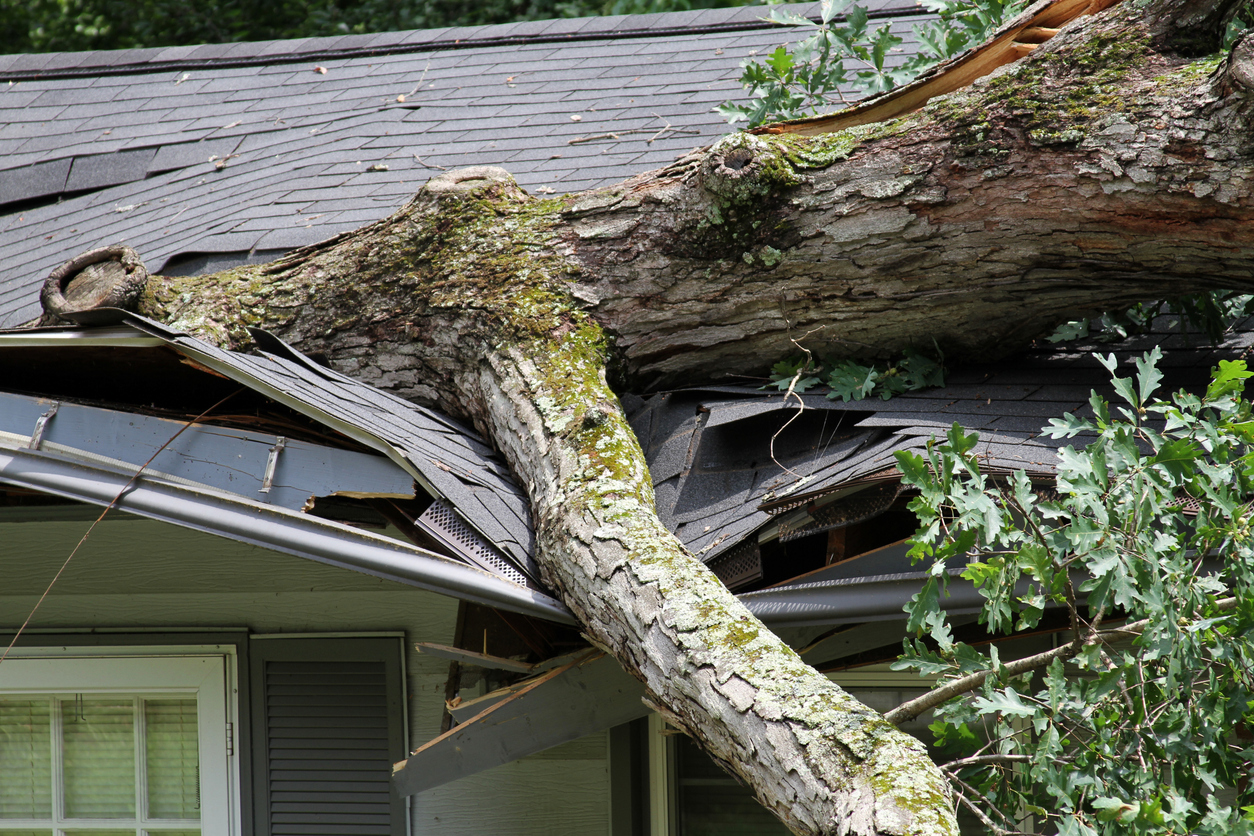
In Dash Point and the bluff neighborhoods of Tacoma, some of the most serious water damage calls do not come during the biggest winter storm.
They come weeks later.
Homeowners near Dash Point State Park, along the marine-facing ridgelines, and in custom bluff builds overlooking Puget Sound often say the same thing:
“The heavy storms were in January. Why is my ceiling leaking now?”
Because on the bluff, roof systems don’t always fail instantly. They fatigue.
And by March, that fatigue shows up inside.
This is not about roof maintenance tips.
This is about restoring homes after late-season roof failure has already allowed water into the structure.
That is when professional water damage restoration becomes urgent in Dash Point Tacoma.

Why Bluff Homes Fail Differently
Dash Point sits exposed. Wind off the Sound does not move gently across rooftops — it accelerates as it climbs elevation. Over months of winter storms, that wind-driven rain repeatedly pushes against:
- Flashing seams
- Chimney joints
- Roof valleys
- Vent penetrations
- Skylight frames
Salt in marine air accelerates fastener corrosion. Flashing flexes microscopically under pressure. Sealants crack subtly.
But during freezing weather, moisture intrusion may remain partially trapped or slow-moving.
When temperatures shift in late February and early March, ice melts. Materials expand. Seal failures widen.
That is when leaks begin appearing inside homes.

The Dash Point Microfracture Pattern
We frequently see what can best be described as “microfracture fatigue” in Dash Point bluff properties.
Over time:
- Wind lifts shingle edges slightly
- Flashing nails corrode
- Valley seams weaken
- Roof transitions separate just enough to allow penetration
These are not dramatic holes. They are subtle weaknesses exposed by repeated marine stress.
Water enters during March rains and travels along rafters and sheathing before becoming visible on drywall.
By the time a ceiling stain appears, insulation above may already be saturated.
Custom Bluff Builds vs Tract Homes
Dash Point includes a mix of older tract homes and custom builds from the 1980s through early 2000s.
Custom homes often feature:
- Complex rooflines
- Multiple valleys
- Extended eaves
- Balcony tie-ins
These architectural features increase vulnerability when flashing ages.
In contrast, simpler tract designs may have fewer transition points but still suffer from marine exposure.
Restoration scope varies depending on roof complexity — but the failure pattern remains consistent across bluff neighborhoods.

What Restoration Looks Like After Late-Season Roof Failure
When water has already entered a Dash Point home, the priority is structural stabilization.
Restoration typically includes:
- Thermal imaging to track moisture spread
- Removal of saturated attic insulation
- Controlled drying of rafters and sheathing
- Ceiling drywall removal where necessary
- Verification of safe moisture levels before rebuild
Because wind-driven rain often enters at angles, water migration paths can be unpredictable.
A stain in one room may trace back to an entry point several feet upslope.
Simply patching the roof does not address interior saturation.

Mold Acceleration After Bluff Intrusion
Marine humidity combined with trapped attic moisture creates ideal conditions for microbial growth once temperatures rise.
If moisture has remained in insulation or framing for several weeks, professional mold removal and testing may be required alongside drying.
Bluff homes experience faster mold acceleration than inland plateau neighborhoods because ambient humidity remains higher near the Sound.
Acting early reduces demolition scope.

Electrical and System Risks
Attic-level water intrusion can affect:
- Recessed lighting
- Bathroom fan wiring
- HVAC duct insulation
- Electrical junction boxes
Prolonged moisture exposure increases corrosion and may elevate risks associated with fire and smoke damage if systems degrade.
In rare severe cases where heavy spring storms compound roof intrusion and ground saturation, some properties may also face conditions requiring sewage backup cleanup if infrastructure becomes overwhelmed.
The longer water remains inside structural cavities, the broader the impact.
Why March Is the Reveal Month in Dash Point Tacoma
January and February create the fatigue.
March reveals it.
As temperatures fluctuate and marine storms continue, weakened flashing and seals finally allow enough intrusion to become visible.
Waiting until April increases structural drying time and mold risk.
Bluff homes require quick response because marine air slows drying naturally.
When Dash Point Homeowners Should Call
If you live in Dash Point Tacoma and notice:
- Ceiling staining after winter
- Damp attic insulation
- Musty odor in upper levels
- Bubbling paint along ceiling seams
You are likely experiencing late-season roof fatigue, not a sudden new failure.
911 Restoration of Seattle provides residential and commercial restoration services throughout Tacoma, including Dash Point and surrounding bluff communities. Restoring a marine-exposed roof intrusion requires interior drying, structural stabilization, and terrain-aware assessment — not just exterior patchwork.