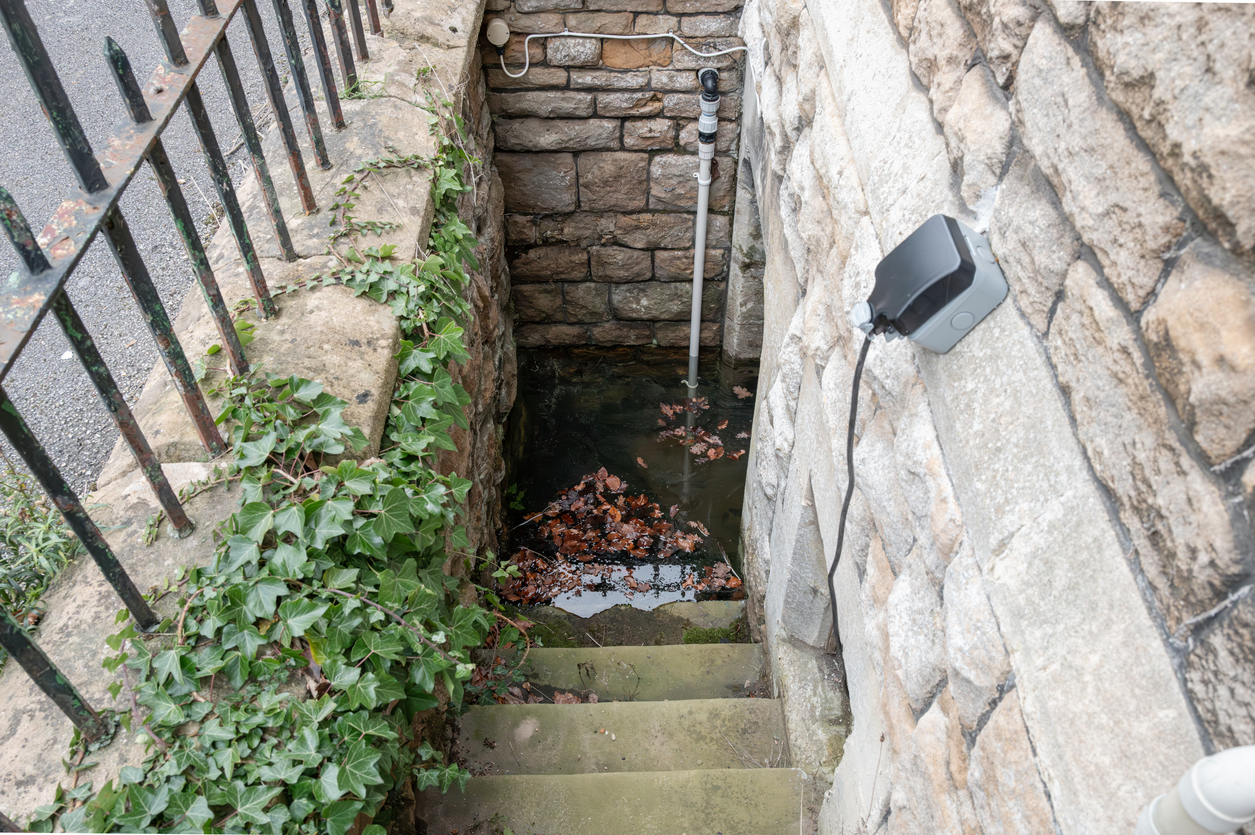
In Federal Way WA, not all water damage starts inside the house.
Sometimes it starts in the street.
Every March, after months of winter rain, we see a specific pattern across neighborhoods like Lakota, West Campus, and parts of Twin Lakes: water backs up, drainage slows, and homeowners aren’t sure whether the problem belongs to them — or the city.
By the time the question gets answered, the basement carpet is wet.
This isn’t a blog about how to prevent it.
This is about what restoration looks like after spring stormwater has already entered the home — and why infrastructure confusion makes it worse.
That’s when professional water damage restoration becomes urgent.

City Main vs Private Lateral: Why It Matters After Damage Happens
In Federal Way, stormwater systems and sewer systems are not always the same — and responsibility is split.
The city maintains:
- Public storm drains
- Main sewer lines
- Street-level catch basins
Homeowners are responsible for:
- Private sewer laterals
- Drain lines from the home to the main
- Yard drainage systems
During heavy March rainfall, when soil saturation is already high, even a partially restricted city drain can cause water to back up toward private laterals.
If the private lateral is aging, offset, or cracked — water intrusion can occur.
Once water crosses the threshold into the structure, the source becomes less important than the damage.
Restoration begins immediately.

The West Campus and Lakota Pattern
In West Campus, many homes were built during rapid 1980s–1990s development. Drain systems are aging simultaneously across entire blocks.
In Lakota, elevation changes create runoff concentration points near certain cul-de-sacs and low-grade streets.
When storm drains operate at capacity and rainfall continues, we often see:
- Basement floor drains backing up
- Lower-level bathrooms flooding
- Water entering from slab joints
- Finished basements absorbing contaminated water
Once stormwater or sewer water enters the home, this becomes a sanitation issue — not just a drying issue.
That is when sewage backup cleanup protocols are required.
What Restoration Looks Like After Drain or Lateral Failure
When stormwater or sewage has already entered a Federal Way home, response must be immediate.
Restoration includes:
- Extraction of contaminated water
- Removal of porous affected materials
- Sanitization of impacted areas
- Controlled structural drying
- Moisture verification before rebuild
In finished basements, drywall, insulation, and flooring often must be removed to prevent long-term contamination.
If water has remained inside wall cavities for even a short period, microbial growth risk increases, potentially requiring mold removal and testing alongside sanitation and drying.
This is no longer a plumbing problem.
It is a structural and environmental restoration event.
Why Insurance Gets Complicated in Federal Way
After damage occurs, homeowners often ask:
“Is this the city’s fault?”
“Is this covered?”
“Is it storm damage or sewer backup?”
Coverage frequently depends on:
- Whether a sewer backup endorsement exists
- Whether the intrusion was storm-driven
- Whether maintenance neglect is involved
Documentation becomes critical.
Professional restoration teams provide:
- Moisture readings
- Damage mapping
- Photographic evidence
- Drying logs
Without proper documentation, claims may stall — especially when responsibility between city infrastructure and private lateral systems is unclear.
Federal Way’s Infrastructure Age Factor
Certain neighborhoods in Federal Way developed in waves. That means:
- Entire streets may share similar sewer installation timelines
- Drain systems may be aging simultaneously
- Settlement may shift lateral connections
When multiple homes experience similar backup patterns after the same storm, it is often infrastructure age — not isolated homeowner failure.
Once damage has occurred, however, restoration must focus on safe remediation and stabilization.
Secondary System Risks After Backup Events
When contaminated water enters lower levels, it can impact:
- Electrical outlets near the floor
- Baseboard heating
- HVAC return ducts
- Stored materials in utility rooms
Prolonged moisture exposure increases corrosion and can create hazards associated with fire and smoke damage if wiring degrades.
The longer standing water remains, the more systems are affected.
Why March Is the Collision Point
By March, Federal Way soil saturation is high. Drainage systems have endured months of debris and sediment buildup. Even moderate rainfall can overwhelm infrastructure.
That combination — full soil, stressed drains, aging laterals — is when city systems and private systems collide.
When they collide, homeowners are left restoring damage.
When Federal Way Homeowners Should Call
If you live in Federal Way WA and experience:
- Basement drain backup
- Lower-level flooding after rainfall
- Sewer odor accompanying water intrusion
- Repeat spring basement events
The issue may involve both public infrastructure and private lateral systems.
911 Restoration of Seattle provides residential and commercial restoration services throughout Federal Way and surrounding neighborhoods. Once water has entered the structure, immediate containment, sanitation, and structural drying are essential — regardless of where the system failure originated.