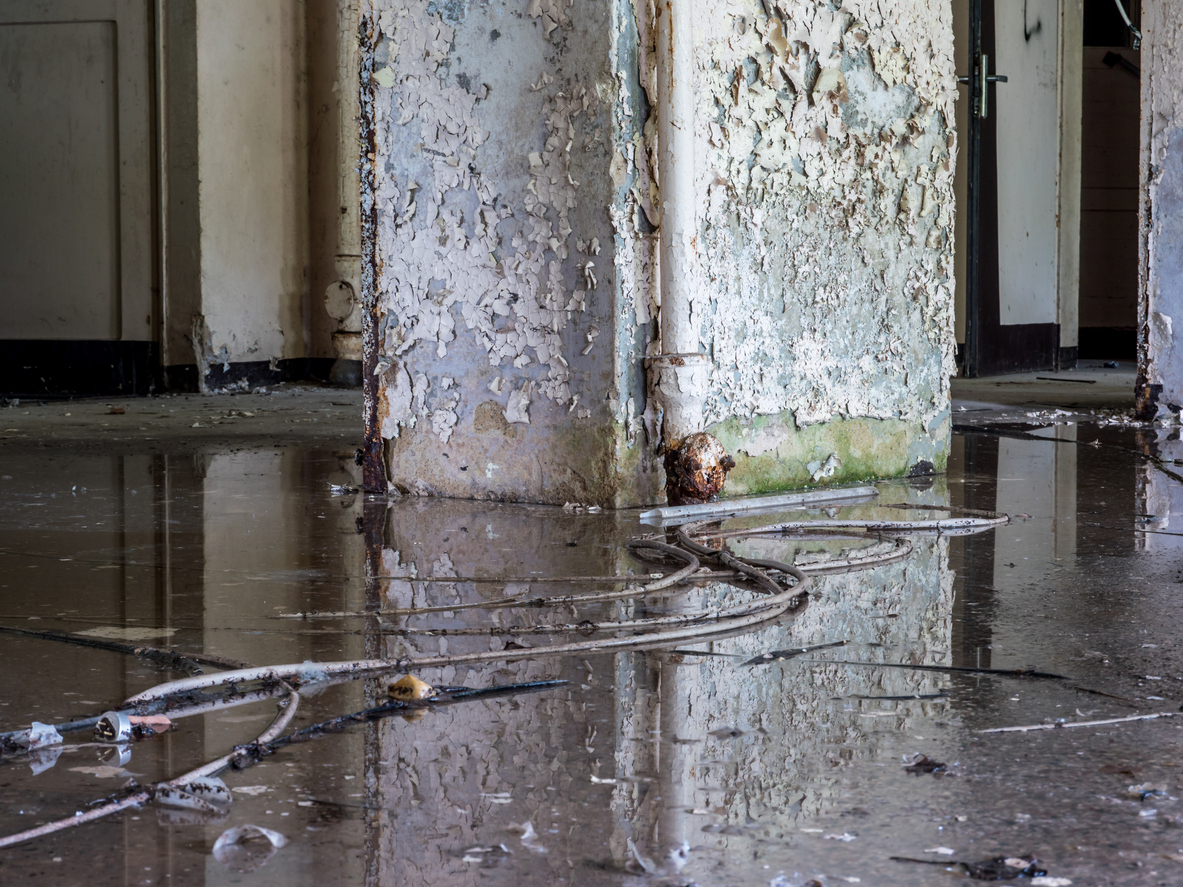
Everything looked fine.
The water was gone.
The fans ran for a couple days.
Maybe the flooring was even replaced.
And then a few weeks later, something feels off.
The smell comes back.
The floor feels slightly soft.
The air feels heavier than it should.
If you’re in Federal Way WA — especially in areas like Twin Lakes, Lakota, or West Campus — this is one of the most common second-stage problems we see.
And it almost always comes down to one issue:
The drying process wasn’t done correctly.

What “Drying” Is Supposed to Do
After flooding, drying is not just about removing visible water.
Proper flood cleanup services are designed to:
- Remove moisture from inside materials
- Stabilize the structure
- Prevent mold growth
- Stop long-term damage
This requires controlled, measured drying — not just airflow.
When drying is done correctly, the structure returns to safe moisture levels.
When it’s not, the problem stays hidden.

What Happens When Drying Is Done Wrong
If drying is rushed, incomplete, or improperly done, moisture remains trapped in:
- Subfloors
- Wall cavities
- Insulation
- Framing
At first, you may not notice anything.
But over time, that moisture begins to surface again.
This is when homeowners start searching again for:
“water damage restoration in Federal Way”
“mold remediation near me”
Because the original issue was never fully resolved.

The Most Common Drying Mistakes
1. Stopping Too Early
Drying often takes 3–5 days or more.
If equipment is removed too soon:
- Materials still contain moisture
- Drying is incomplete
- Damage continues silently
Just because something feels dry doesn’t mean it is.
2. No Moisture Testing
Without moisture readings, there is no way to confirm dryness.
Professional restoration uses:
- Moisture meters
- Thermal imaging
- Daily monitoring
Without this, drying becomes guesswork.

3. Only Drying the Surface
Water doesn’t stay on the surface.
It moves into:
- Under flooring
- Behind drywall
- Into insulation
If these areas aren’t addressed, moisture stays trapped — and problems return.

4. Using the Wrong Equipment
Household fans are not enough.
Proper flood cleanup services require:
- Industrial air movers
- Commercial dehumidifiers
- Controlled airflow systems
Without these, drying is slow and incomplete.

Why Federal Way Homes Are More Sensitive to Poor Drying
Certain local conditions make incomplete drying worse:
Twin Lakes:
- Ground moisture keeps areas damp longer
Lakota:
- Older materials absorb more water
West Campus:
- Shared infrastructure can spread moisture
These factors mean that shortcuts in drying show up faster here than in drier regions.

The “It Came Back” Scenario
Here’s what we see all the time:
- Flood happens
- Water is removed
- Drying is incomplete
- Weeks later → odor, warping, or mold
At that point:
- Materials may need to be removed
- Mold remediation may be required
- The job becomes larger than it was originally
This is why the second repair is always more expensive.

When It Turns Into Mold
If moisture remains for more than 24–48 hours, mold can begin forming.
When drying is incomplete, mold often develops in hidden areas like:
- Behind baseboards
- Under flooring
- Inside walls
This is when homeowners urgently search:
“mold remediation near me”
Because now the issue isn’t just water — it’s contamination.

What Proper Restoration Should Look Like
A complete water damage restoration in Federal Way should include:
- Full moisture inspection
- Removal of unsalvageable materials
- Controlled drying with professional equipment
- Daily monitoring
- Final verification before rebuild
If any of these steps were skipped, the job wasn’t finished.

Secondary Damage You Might Not Expect
Trapped moisture doesn’t just affect materials.
It can impact:
- Electrical systems
- HVAC components
- Structural integrity
Over time, this increases risk for issues associated with fire and smoke damage if wiring degrades.
In severe moisture environments, properties may also develop conditions requiring sewage backup cleanup.

Why Fixing It Now Matters
If you’re noticing signs of incomplete drying:
- Musty odor
- Warping floors
- Damp walls
- Returning moisture
You are still in the damage cycle.
Waiting longer allows:
- Moisture to spread
- Mold to grow
- Costs to increase
Early correction limits how much needs to be removed.

When to Call Again
If flood cleanup was done but something doesn’t feel right, trust that instinct.
Especially if you notice:
- Odor returning
- Soft flooring
- Humidity that won’t go away
- Signs of moisture weeks later
911 Restoration of Seattle provides water damage restoration in Federal Way, including full flood cleanup services, mold remediation near me, and 24-hour emergency restoration.
If drying wasn’t done right the first time, it needs to be done right now.