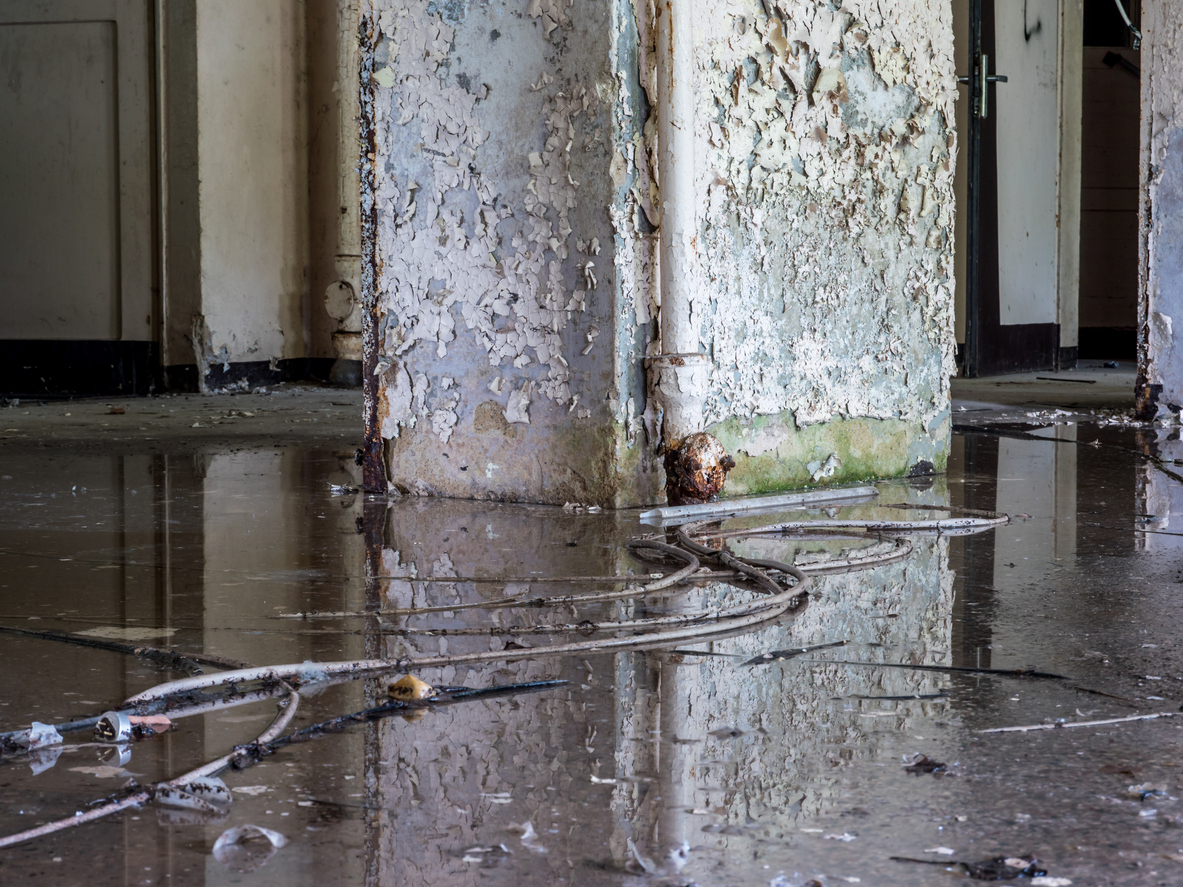
One of the biggest turning points in a water damage situation happens when moisture reaches below the flooring.
Because once water gets into the subfloor, the problem becomes much more serious.
At first, homeowners in Federal Way WA often notice:
- soft flooring
- slight warping
- a damp feeling underfoot
- flooring separating at seams
It may not look catastrophic.
But underneath the surface, the structure of the floor may already be absorbing water.
And in neighborhoods like Twin Lakes, Lakota, and Marine Hills, moisture conditions make subfloor damage spread faster than most homeowners expect.

What the Subfloor Actually Does
The subfloor is the structural layer beneath your finished flooring.
It supports:
- hardwood
- laminate
- carpet
- tile
And once it absorbs water, the integrity of the entire flooring system changes.
Unlike surface flooring, subfloors are not designed to handle prolonged moisture exposure.
That’s why professional flood cleanup services become critical once water spreads below the visible surface.

How Water Reaches the Subfloor
In Federal Way homes, subfloor damage commonly starts from:
- appliance leaks
- overflowing fixtures
- pipe failures
- repeated roof leaks
- crawl space moisture
- previous incomplete restoration
The dangerous part is that water often reaches the subfloor long before homeowners realize it.
By the time flooring feels soft, moisture may already be widespread underneath.
Why Federal Way Homes Are Especially Vulnerable
Local environmental conditions matter.
Twin Lakes
Ground moisture keeps lower structural materials damp longer.
Marine Hills
Marine humidity slows drying beneath flooring systems.
Older Lakota Homes
Older construction materials absorb water aggressively once exposed.
These factors allow hidden moisture to linger beneath finished surfaces.

The “It Looked Dry” Problem
One of the most common mistakes happens when homeowners assume:
“If the top of the floor is dry, the structure underneath must be dry too.”
That is often false.
Water becomes trapped:
- beneath laminate
- under hardwood
- inside plywood layers
- below cabinets and walls
Without proper moisture testing, hidden saturation gets missed.
This is where incomplete water damage restoration in Federal Way creates major future problems.
Early Signs of Subfloor Damage
Subfloor damage often starts subtly.
Homeowners may notice:
- squeaking floors
- slight movement underfoot
- warped flooring edges
- recurring damp odor
- uneven flooring
As the damage progresses:
- floors begin lifting
- materials soften
- sections may become unstable
At that point, restoration becomes far more invasive.
Why Drying the Surface Is Not Enough
Subfloors hold moisture deep inside structural layers.
Professional flood cleanup services require:
- moisture mapping
- structural drying
- dehumidification
- thermal imaging
Without these steps:
- moisture stays trapped
- wood continues swelling
- structural weakening progresses
This is why surface drying alone fails.
When Flooring Can Be Saved — And When It Can’t
This depends on:
- how long water sat
- material type
- moisture depth
- drying speed
Sometimes Salvageable
- hardwood with rapid response
- limited moisture spread
Often Requires Removal
- laminate flooring
- saturated carpet padding
- swollen engineered flooring
Once the subfloor itself weakens, portions may need reconstruction.
Why Delayed Action Gets Expensive Fast
Subfloor damage escalates quickly because the structure is hidden.
Homeowners may wait because:
- the floor still “looks okay”
- the leak stopped
- there’s no standing water
Meanwhile:
- moisture spreads laterally
- adhesives fail
- structural wood absorbs water
This is where small water losses become major reconstruction projects.
What Happens If the Subfloor Is Ignored
Over time:
- flooring fails
- cabinets shift
- walls absorb moisture from below
- structural repairs become necessary
This is often the point where homeowners realize:
“This is much bigger than we thought.”
And by then, costs are significantly higher.
Why Proper Flood Cleanup Includes Structural Inspection
A professional restoration process should include:
- subfloor moisture readings
- inspection below finished flooring
- evaluation of hidden spread
- drying verification before rebuild
If these steps are skipped, the home may be rebuilt over active moisture.
That’s one of the biggest causes of repeat damage.
Secondary Risks Homeowners Don’t Expect
Subfloor saturation can also affect:
- electrical wiring below floors
- HVAC systems
- cabinetry bases
- structural framing
Over time, this increases risks associated with fire and smoke damage if electrical systems deteriorate.
In severe flooding scenarios, homes may also require sewage backup cleanup if contaminated water becomes involved.
Why Immediate Restoration Matters
The earlier subfloor moisture is addressed:
- the more structure can be saved
- the less demolition is required
- the lower the reconstruction cost
That’s why 24-hour emergency restoration matters even when damage appears minor on the surface.
When to Call Immediately
If your Federal Way WA home has:
- soft flooring
- warped floorboards
- recurring damp smells
- movement beneath flooring
- water damage that spread across floors
there’s a strong chance the subfloor is already affected.
911 Restoration of Seattle provides water damage restoration in Federal Way, including structural drying, flood cleanup services, and full 24-hour emergency restoration for hidden moisture and subfloor damage.
Once water reaches the subfloor, the damage becomes much more serious than most homeowners realize.