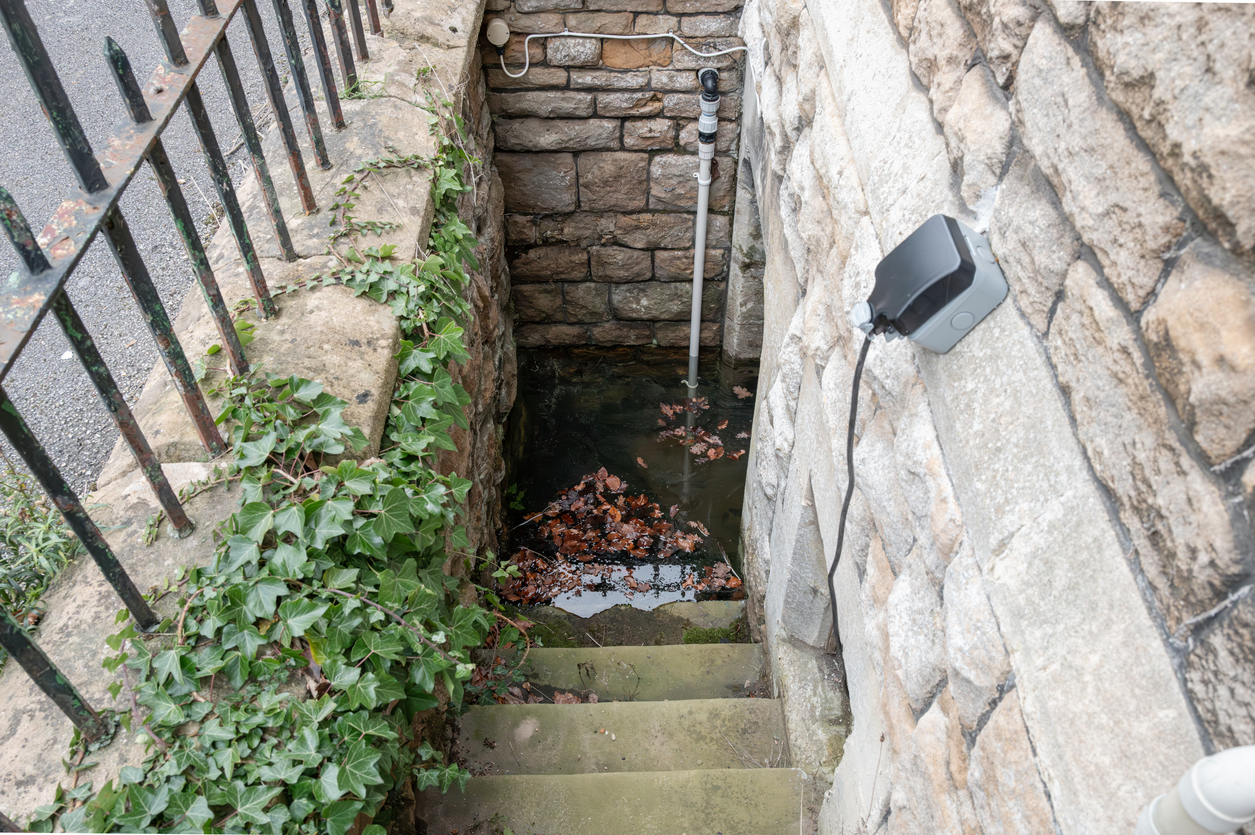
When a basement floods in Federal Way WA, the situation escalates fast.
Water spreads across the floor.
Carpet absorbs it.
Walls begin pulling moisture upward.
And within minutes, the question becomes:
“What happens next — and how do I fix this?”
If you’re dealing with a flooded basement in areas like Twin Lakes, Lakota, or West Campus, you’re already in a situation that requires flood cleanup services — not just a quick cleanup.
This is what actually happens once you call for water damage restoration in Federal Way.

Step 1: Emergency Response and Water Extraction
The first priority is removing standing water.
When a 24-hour emergency restoration team arrives, they start with:
- High-powered extraction equipment
- Pumps for deeper flooding
- Immediate containment of affected areas
In Federal Way homes, especially in Twin Lakes where groundwater pressure is common, basements can fill quickly and saturate materials below the surface.
Removing visible water is just the beginning.

Step 2: Inspection and Moisture Mapping
Once water is extracted, restoration teams assess how far the moisture has spread.
This includes:
- Checking baseboards and drywall
- Measuring subfloor moisture
- Inspecting wall cavities
- Evaluating adjacent rooms
What homeowners see on the surface is rarely the full extent.
Water often travels:
- Under flooring
- Behind walls
- Into insulation
This step determines the true scope of the damage.

Step 3: Removing Saturated Materials
Not everything can be saved.
In flooded basements across Federal Way, we commonly remove:
- Carpet and padding
- Damaged drywall
- Insulation
- Warped laminate flooring
Porous materials absorb contaminated water quickly. Leaving them in place leads to odor, bacteria growth, and structural deterioration.
If the water source involves contamination, full sanitation protocols are required — especially in cases needing sewage backup cleanup.

Step 4: Structural Drying and Dehumidification
After removal, drying begins.
This is the longest and most important part of the process.
Restoration teams use:
- Industrial air movers
- Commercial dehumidifiers
- Moisture monitoring equipment
Drying typically takes 3–5 days or more, depending on:
- Severity of flooding
- Type of materials affected
- Humidity levels in the home
This is why flood cleanup services don’t end when the water is gone — drying is what prevents long-term damage.

Step 5: Monitoring and Moisture Verification
Throughout the drying process, professionals check moisture levels daily.
This ensures:
- Walls are fully dry
- Subfloors are stable
- No hidden moisture remains
Without verification, water can stay trapped — leading to future damage.
This is one of the biggest differences between DIY cleanup and professional water damage restoration in Federal Way.

Step 6: Preventing Mold After Flooding
Once water enters a basement, mold risk begins almost immediately.
Within 24–48 hours:
- Mold spores can activate
- Odor begins developing
- Air quality declines
This is when homeowners start searching for:
“mold remediation near me”
If mold is detected, restoration includes:
- Containment
- Air filtration
- Removal of affected materials
Addressing mold early prevents more extensive remediation later.

Why Federal Way Basements Are Especially Vulnerable
Certain neighborhoods experience higher flood risk due to terrain and drainage patterns.
In Twin Lakes:
- Basin-style layout traps water
In West Campus:
- Aging drainage systems can contribute to backups
In Lakota:
- Elevation changes create runoff concentration points
These factors make flood cleanup services a common need during spring.

What Flood Cleanup Actually Costs You Over Time
If handled immediately:
- Minimal material removal
- Faster drying
- Lower overall cost
If delayed:
- Mold growth
- Structural damage
- Full flooring and drywall replacement
This is why calling for 24-hour emergency restoration right away is the most cost-effective decision.

Secondary Damage You Might Not Expect
Flooded basements can affect more than flooring.
Water can reach:
- Electrical outlets
- HVAC systems
- Storage areas
Prolonged exposure increases corrosion risk and may contribute to hazards associated with fire and smoke damage if systems degrade.
Flooding is rarely isolated.

When to Call Immediately
If your basement in Federal Way WA is:
- Flooded
- Holding standing water
- Damp after a storm
- Developing a musty odor
You are already in the restoration phase.
911 Restoration of Seattle provides water damage restoration in Federal Way, including flood cleanup services, mold remediation, and full 24-hour emergency restoration response.
The faster cleanup begins, the more of your home can be saved.