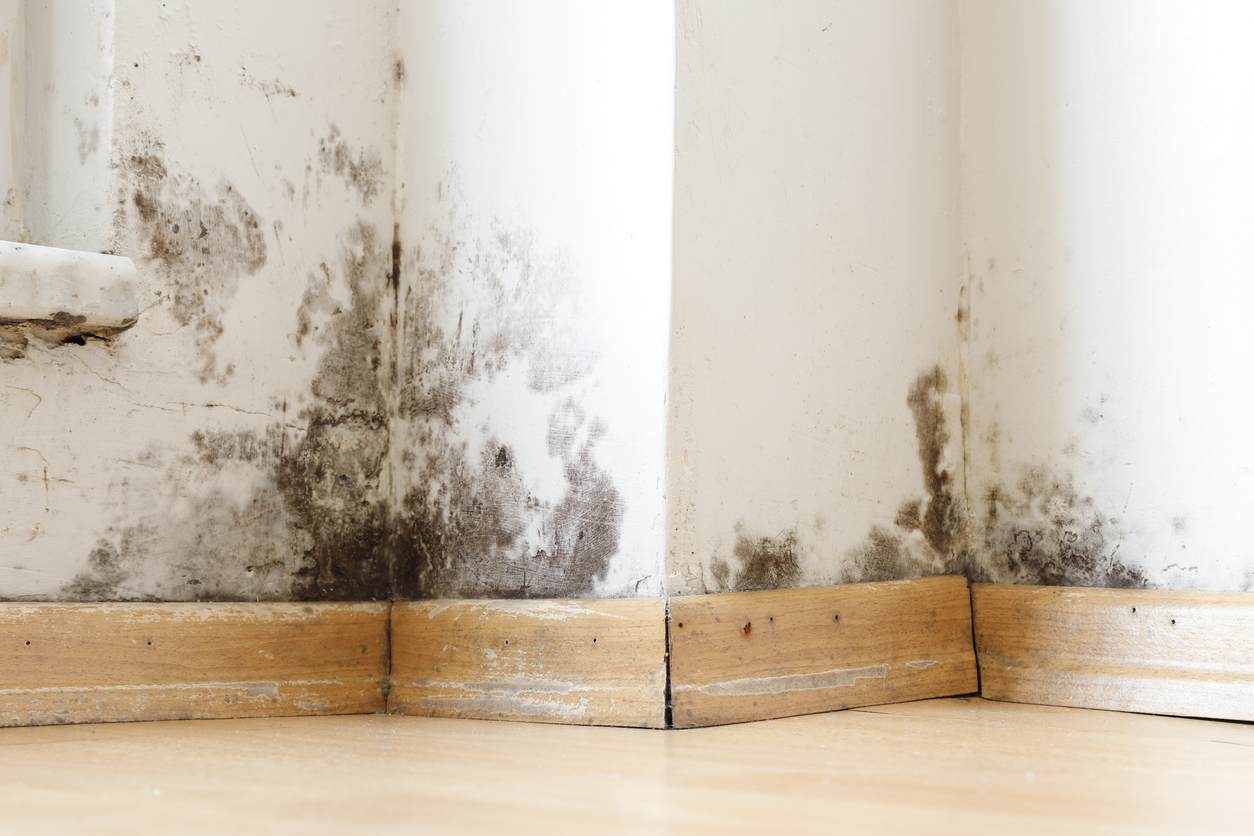
In Marine Hills, warped or buckling floors are rarely just a cosmetic issue. January is when many homeowners notice boards lifting, seams separating, or floors beginning to feel uneven underfoot. What looks like a flooring problem is often a warning sign of something far more serious happening below the surface. Hidden moisture inside walls, subfloors, or crawl spaces can quietly compromise a home long before visible water appears.
Marine Hills homes are especially susceptible because of hillside grading, winter rainfall patterns, and the way moisture moves through soil after prolonged saturation. By the time floors begin to warp, water has often been present for weeks, sometimes months, spreading laterally through materials that were never designed to stay wet.
Why Warped Floors Often Appear in January
January is a delayed reaction month. Heavy rain in late fall saturates soil around foundations. Holiday activity increases indoor moisture. Heating systems run constantly, changing pressure inside the home and pulling damp air through small gaps. Together, these factors allow moisture to collect in wall cavities and subfloor assemblies without obvious surface leaks.
In Marine Hills, many homes sit on slopes or tiered lots. Water naturally moves downhill, and when drainage paths are overwhelmed, moisture can press against foundation walls or wick upward through concrete slabs. Flooring materials respond by expanding, cupping, or lifting as moisture levels rise. The floor is often the first visible symptom, not the source of the problem.
How Water Gets Trapped Inside Walls and Subfloors
Hidden water damage does not require a burst pipe. Small, steady sources are far more common. A slow plumbing seep, minor roof intrusion, or poorly sealed exterior penetration can allow water to enter and remain trapped. Once moisture is inside a wall or beneath flooring, it has limited ability to evaporate during cold weather.
Insulation absorbs moisture and holds it against wood framing. Subfloors swell as they take on water, pushing finished flooring upward. In Marine Hills homes with crawl spaces, ground moisture can rise when vapor barriers are damaged or missing, saturating joists and subflooring from below.
Without professional moisture detection, these conditions often go unnoticed.
Why Flooring Damage Is a Red Flag, Not the Root Cause
Replacing warped flooring without addressing moisture is one of the most expensive mistakes homeowners make. New materials installed over damp subfloors will fail again, often faster than the first time. The underlying issue must be identified, dried, and stabilized before any cosmetic repairs occur.
This is where water damage restoration becomes essential. Professional drying, moisture mapping, and controlled dehumidification stop damage from spreading and protect surrounding materials before mold has a chance to establish.
The Mold Risk Beneath Your Feet
Where moisture persists, mold follows. Subfloors and wall cavities provide dark, undisturbed environments where mold can grow unchecked. By the time flooring visibly warps, mold colonies may already be forming beneath the surface.
Mold growth under floors can affect indoor air quality throughout the home. Spores migrate upward through cracks, vents, and wall cavities, often causing unexplained respiratory irritation or persistent odors. Proper mold removal and testing ensures contaminated materials are safely addressed and moisture conditions are corrected to prevent recurrence.
Why Marine Hills Homes Face Higher Hidden Damage Risk
Marine Hills properties frequently experience runoff concentration due to elevation changes and older drainage systems. When soil becomes oversaturated, water seeks the path of least resistance, which often includes foundation joints or utility penetrations.
Many homes in this area were built before modern moisture control standards. Aging plumbing systems, settled foundations, and older insulation materials increase the likelihood of hidden leaks going unnoticed. January’s cold temperatures further slow evaporation, allowing moisture to linger longer than it would in warmer months.
Insurance Problems When Damage Goes Undetected
Insurance coverage often depends on how quickly damage is discovered and addressed. When flooring damage is classified as long-term neglect rather than sudden water intrusion, claims may be denied or limited.
Having a professional restoration company document moisture conditions early helps establish cause and timeline, protecting homeowners from unnecessary financial exposure.
When Fire, Smoke, or Sewage Are Involved
Not all floor damage is caused by clean water. Past fire or smoke events can alter airflow patterns, trapping moisture in unexpected places. In those cases, fire and smoke damage restoration may be required to fully resolve underlying issues.
If moisture originates from contaminated sources such as backups or overflows, specialized handling is required. Sewage backup cleanup addresses biohazards safely and prevents bacteria from spreading through flooring systems and indoor air.
Local Expertise Matters
Restoration 24/7 provides comprehensive inspections and restoration services for Marine Hills homeowners facing hidden water damage. Our team understands hillside moisture behavior, winter drying challenges, and how to stop damage before it spreads.
To schedule an inspection or learn more about available services, visit the Restoration 24/7 Seattle home page and connect with a local restoration team that knows Marine Hills homes.