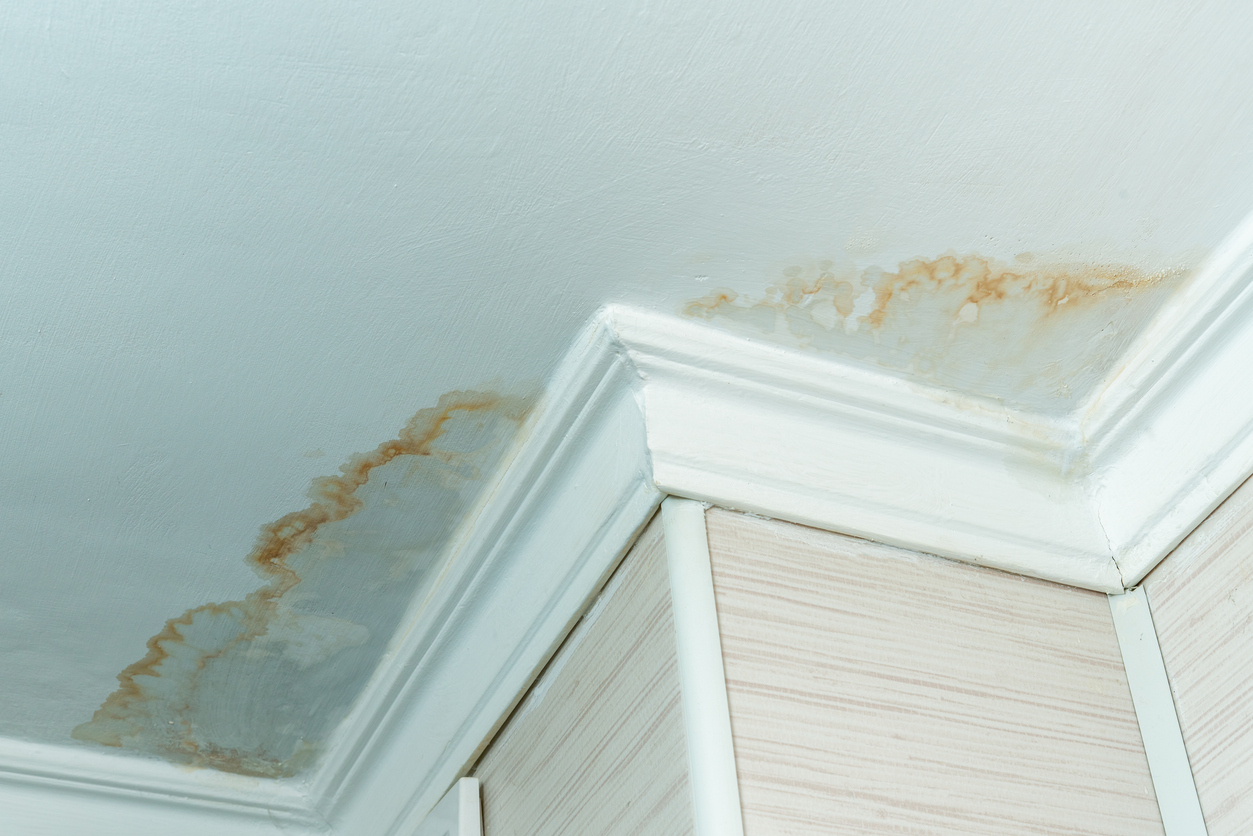
Roof Leaks in Auburn and Twin Lakes During November Storms
Late fall rainstorms across Auburn and Twin Lakes can test the limits of even well-maintained roofs. Homeowners often first notice a small stain or drip and assume it can wait until spring—but roof leaks during November weather rarely stay minor. With steady rainfall, gusty winds, and colder nights, water infiltration can escalate fast, spreading moisture through insulation, ceilings, and wall cavities.
Knowing when a roof leak is an emergency helps protect your home from costly water damage and potential mold growth before the problem worsens.
Signs of a Serious Roof Leak
While some leaks appear as slow drips or faint discoloration, others demand immediate action. You likely need emergency service if you notice:
- Active dripping or pooling water in ceilings or attics.
- Sagging drywall that feels soft or bowed.
- Multiple leaks after a single storm—suggesting a broader roof failure.
- Water near electrical fixtures or outlets.
- Rapidly spreading stains during or right after rainfall.
Even a small leak can spread moisture behind walls where it’s invisible, leading to long-term structural damage if not addressed quickly.
Why Roof Leaks Get Worse in November
November weather in Auburn and Twin Lakes combines heavy rainfall with fluctuating temperatures—conditions that accelerate roof wear. The main culprits include:
- Damaged shingles or flashing loosened by wind and storms.
- Clogged gutters causing rainwater to back up under roof edges.
- Poor attic ventilation leading to condensation that mimics a roof leak.
- Previous summer heat damage that made roofing materials brittle.
When these issues meet constant rainfall, water infiltration often accelerates, especially in older or poorly insulated homes.
The Hidden Damage Roof Leaks Cause
Moisture entering through a roof doesn’t stop at the ceiling. It can travel along beams and joists, showing up far from the actual entry point. Unaddressed leaks can lead to:
- Mold and mildew growth in insulation and drywall.
- Electrical hazards from water exposure.
- Rotting wood framing and weakened roof supports.
- Interior paint and plaster damage.
Because of this, roof leaks should always be treated as potential emergencies until inspected by professionals.
Temporary Measures You Can Take
If a roof leak develops during a storm:
- Move valuables and furniture away from the affected area.
- Contain dripping water with a bucket or tarp.
- Puncture small ceiling bulges carefully to release trapped water safely.
- Avoid using electrical outlets in or near the wet zone.
- Call professionals immediately to inspect and secure the site.
While these steps help minimize short-term damage, full water damage restoration and roof repair should follow as soon as possible.
Professional Restoration and Repair
At 911 Restoration of Seattle, we specialize in responding quickly to roof leaks caused by heavy rain or wind. Our certified technicians provide:
- Emergency roof tarping to stop active leaks.
- Full water damage cleanup and drying of affected areas.
- Mold removal if growth has begun.
- Coordination with roofing contractors for permanent repairs.
We serve homeowners throughout Auburn, Twin Lakes, and the greater South King County area with 24/7 response.
How to Prevent Future Leaks
- Inspect your roof every fall and spring.
- Trim overhanging branches to prevent debris buildup.
- Clean gutters before each major storm system.
- Check attic insulation and ventilation to reduce condensation.
- Replace aging shingles or flashing before winter storms hit.
Routine maintenance can greatly reduce emergency calls and extend the lifespan of your roof.
Call to Action
If November storms have caused water spots, drips, or stains on your ceiling, don’t wait until the damage spreads. Contact 911 Restoration of Seattle for immediate water damage restoration and inspection. Our Auburn and Twin Lakes team is available 24/7 to keep your home safe, dry, and structurally sound this season.