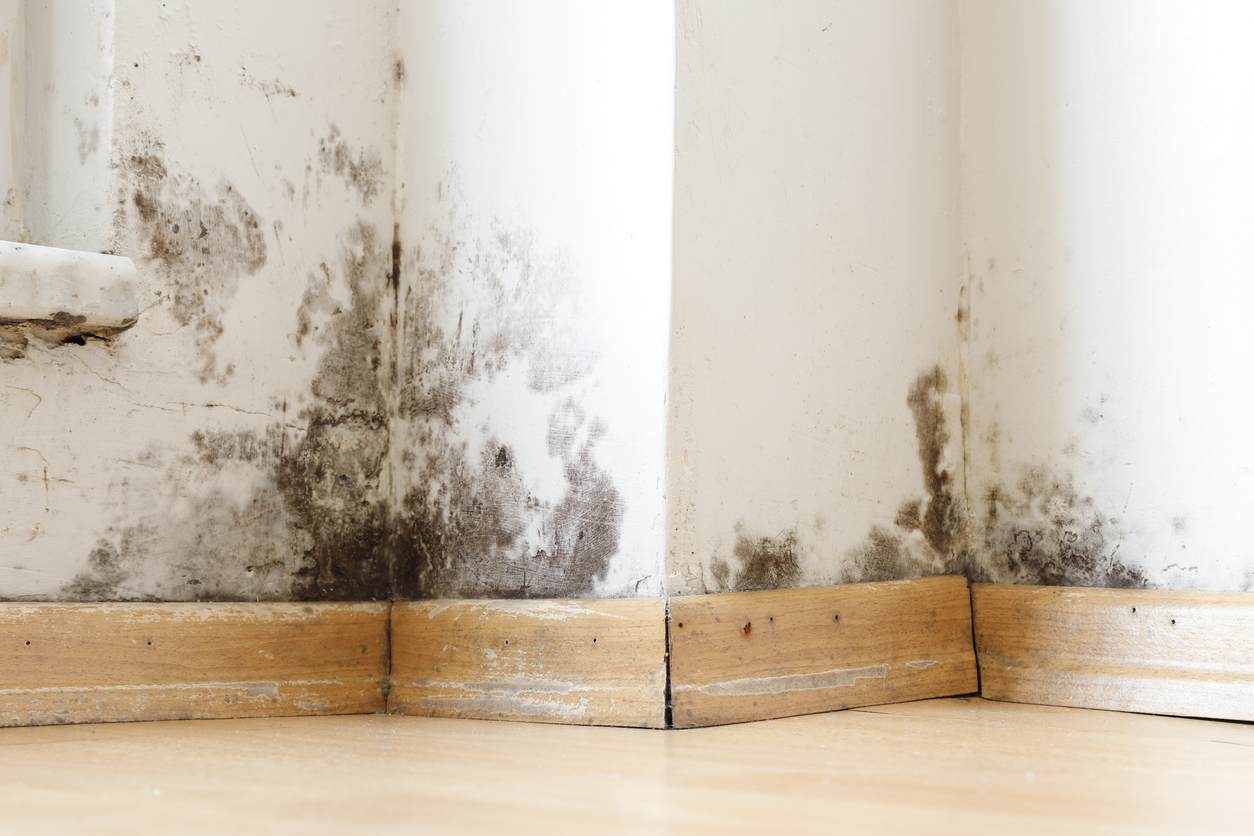
Winter moisture damage in Twin Lakes rarely announces itself with a dramatic flood. More often, it builds quietly through weeks of cold rain, condensation, and ground saturation. By the time homeowners notice cold floors, damp odors, or staining along baseboards, the damage has already spread behind walls, under flooring, and into insulation. This is where professional restoration after winter moisture damage becomes critical, not just to dry what is wet, but to prevent long-term structural and indoor air quality problems.
Homes in Twin Lakes Federal Way are especially vulnerable due to their proximity to water, mature landscaping, and older construction patterns. Working with a local team like 911 Restoration of Seattle ensures moisture damage is handled with an understanding of regional weather patterns and building styles.
Why Winter Moisture Damage Is So Common in Twin Lakes Homes
Cold outdoor temperatures meet warm interior air during winter, creating condensation inside wall cavities, crawl spaces, and attics. Heavy rainfall saturates soil, increasing pressure against foundations and allowing moisture to migrate upward into living areas. Roof systems also experience prolonged exposure to moisture even without freezing temperatures.
Unlike obvious flooding events that require immediate water damage restoration, winter moisture damage spreads slowly. Insulation absorbs water, wood framing swells, and drywall retains moisture long enough to support mold growth before visible signs appear. By the time damage is detected, professional intervention is often necessary.
What Happens When Winter Moisture Damage Is Left Untreated
When winter moisture damage is ignored, problems escalate. Wet insulation loses its insulating value, leading to higher heating costs and colder interior spaces. Framing materials remain damp, creating ideal conditions for microbial growth. Over time, this increases the likelihood that professional mold removal and testing will be required.
In Twin Lakes homes with crawl spaces, moisture rarely stays isolated. Damp air rises through the structure, affecting flooring, walls, and indoor air quality. Restoration addresses not only visible damage but also the hidden moisture pathways that allow problems to persist.
What Professional Restoration After Winter Moisture Damage Involves
Effective restoration begins with a comprehensive moisture assessment. Restoration professionals use moisture meters and thermal imaging to identify saturation behind walls, under floors, and inside crawl spaces. Once the full extent of damage is documented, a controlled drying plan is implemented.
Industrial air movers and dehumidifiers are positioned to remove trapped moisture without spreading contaminants. Materials that cannot be properly dried, such as waterlogged insulation or compromised drywall, are removed. This process is central to successful water damage restoration, especially when damage developed gradually during winter.
If microbial growth is discovered during the drying phase, restoration plans expand to include containment and remediation. Addressing mold early prevents cross-contamination and reduces the risk of long-term indoor air quality issues.
The Role of Crawl Spaces in Winter Restoration
Crawl spaces play a major role in winter moisture problems throughout Twin Lakes. Cold ground temperatures, saturated soil, and poor ventilation allow moisture to accumulate below the home. Without addressing these areas, restoration efforts inside the home are often incomplete.
Professional restoration includes crawl space drying, vapor barrier evaluation, and airflow correction. This reduces the likelihood of recurring moisture issues and helps prevent secondary problems such as sewage backup cleanup caused by overwhelmed drainage systems during prolonged wet weather.
Restoration Versus Simple Repairs
Many homeowners attempt cosmetic repairs after winter moisture exposure, such as repainting walls or replacing damaged trim. These repairs often fail because the underlying moisture remains. Restoration focuses on drying, decontamination, and stabilization before rebuilding begins.
In Twin Lakes, where winter moisture exposure is recurring, restoration also involves identifying intrusion points, correcting ventilation issues, and documenting moisture levels throughout the process. This approach protects repairs from failing again when spring humidity arrives.
Insurance and Documentation for Winter Moisture Damage
Winter moisture damage claims can be challenging because damage often develops over time. Insurance carriers typically require proof that damage resulted from a covered event rather than long-term neglect. Professional restoration documentation plays a critical role in this process.
Restoration teams provide moisture readings, drying logs, photographs, and written scopes that support insurance claims. Proper documentation is also essential when winter moisture damage overlaps with other events such as fire and smoke damage caused by compromised electrical components.
Why End-of-Winter Restoration Is So Important
February is a critical window for restoration in Twin Lakes. Moisture damage left untreated will worsen as temperatures rise and humidity increases. Mold growth accelerates, materials dry unevenly, and structural components experience additional stress.
Completing restoration before spring protects the home and reduces the likelihood of emergency damage later in the year. For homeowners and property managers, early restoration also limits disruption and protects long-term property value.
When to Call Restoration 24/7
If your Twin Lakes home has experienced ongoing dampness, unexplained odors, cold floors, or visible staining this winter, professional restoration should not be delayed. Even minor symptoms often indicate hidden moisture problems that require expert evaluation.
911 Restoration of Seattle provides comprehensive residential and commercial restoration services throughout Federal Way and surrounding communities. Addressing winter moisture damage now is the most effective way to prevent larger repairs as the seasons change.