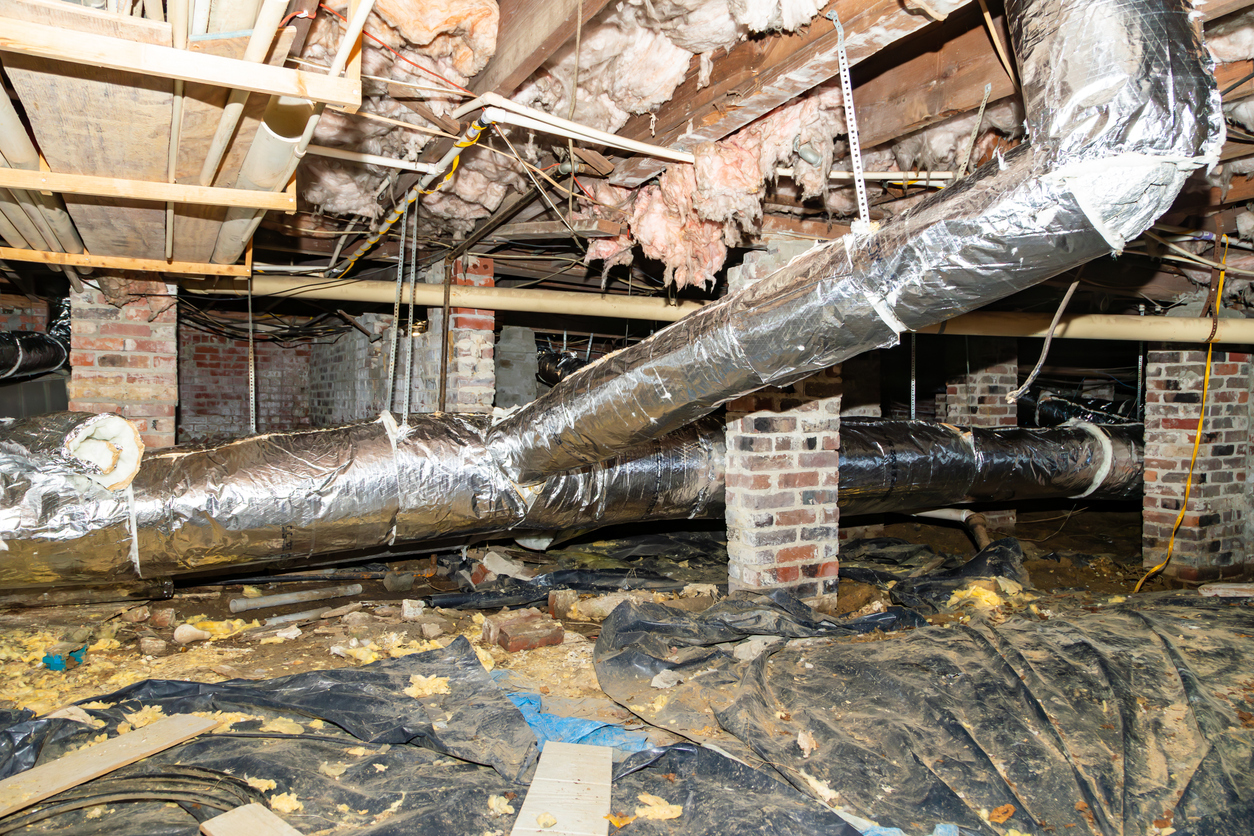
Winter water damage claims in Federal Way often become complicated not because damage did not occur, but because it was not properly documented. Moisture damage from winter storms, prolonged rain, or condensation tends to develop gradually, making it harder for homeowners to prove when and how the damage happened. Professional restoration documentation plays a critical role in supporting insurance claims by clearly showing the cause, extent, and timeline of winter-related damage.
Federal Way homes frequently experience layered moisture issues due to hillside drainage, aging construction, and repeated winter exposure. Working with an experienced local provider like 911 Restoration of Seattle ensures that restoration work is documented in a way insurance carriers recognize and accept.
Why Winter Water Damage Claims Are Often Challenged
Insurance carriers typically look for clear evidence of a sudden, identifiable loss. Winter moisture damage does not always fit neatly into that category. Slow leaks, condensation buildup, and groundwater intrusion can develop over weeks, making it difficult for homeowners to pinpoint the exact moment damage began.
Unlike obvious emergencies that immediately trigger water damage restoration, winter-related moisture issues are often discovered after damage has spread behind walls or under floors. Without professional documentation, insurers may question whether damage resulted from a covered event or long-term conditions.
What Restoration Documentation Actually Includes
Professional restoration documentation goes far beyond photos of visible damage. Restoration teams collect objective data that supports the legitimacy of a claim. This includes moisture meter readings, thermal imaging results, drying logs, equipment placement records, and daily progress notes.
In Federal Way homes, where winter moisture often migrates through multiple building layers, this documentation helps demonstrate how water entered the structure and how far it spread. It also shows that proper mitigation steps were taken to prevent further damage.
How Moisture Mapping Strengthens Insurance Claims
Moisture mapping is one of the most important components of restoration documentation. Using specialized tools, restoration professionals identify elevated moisture levels behind walls, under flooring, and inside insulation.
This process often reveals damage that is not visible to the homeowner. Moisture mapping supports claims by showing that restoration was necessary, not optional. It also helps justify material removal and drying steps as part of comprehensive water damage restoration.
Documentation and Mold-Related Claims
Mold claims are frequently scrutinized by insurance carriers. When mold develops after winter moisture exposure, documentation is essential to show that mold resulted from a covered water event.
Restoration professionals document moisture conditions, affected materials, and remediation steps as part of professional mold removal and testing. This information helps establish a clear connection between winter moisture damage and mold growth, improving the likelihood of claim approval.
The Role of Drying Logs and Verification
Drying logs are a key part of insurance-supported restoration. These logs show when drying equipment was installed, how long it ran, and how moisture levels changed over time. Insurance carriers rely on this data to confirm that drying was necessary and effective.
In Federal Way homes, where winter humidity slows natural drying, these records demonstrate that professional intervention was required to stabilize materials and prevent further damage.
How Documentation Helps With Secondary Damage Claims
Winter moisture damage often leads to secondary issues. Wet insulation can affect electrical systems, damp framing can weaken structural components, and excessive humidity can cause corrosion.
When restoration documentation is thorough, it can also support claims involving related services such as sewage backup cleanup or damage that increases the risk of fire and smoke damage. Proper documentation shows how one event contributed to multiple restoration needs.
Why Homeowner Documentation Is Not Enough
Homeowners often take photos or videos when damage is discovered, but this alone is rarely sufficient for insurance purposes. Professional documentation uses calibrated equipment, standardized reporting, and industry-recognized methods that carry more weight during claim reviews.
Restoration professionals also know how to document damage without altering conditions in ways that could compromise a claim. This expertise protects homeowners during the claims process.
Timing Matters With Winter Claims
Waiting too long to begin restoration can complicate insurance claims. Moisture conditions change over time, and delayed mitigation can be interpreted as neglect. Early restoration not only limits damage but also creates a clear record of when the loss was identified and addressed.
In February, many Federal Way homeowners are still dealing with cumulative winter damage. Beginning restoration now helps establish a clear timeline before spring conditions alter moisture patterns.
Why Professional Restoration Is an Advantage During Claims
Insurance carriers often work more efficiently when restoration is handled by experienced professionals. Detailed reports, consistent communication, and proper documentation reduce disputes and delays.
Restoration teams also coordinate with adjusters, providing the information needed to move claims forward. This is especially important for larger losses or properties requiring commercial restoration services.
When to Call Restoration 24/7
If your Federal Way home has experienced winter water damage and you plan to file an insurance claim, professional restoration should begin as soon as possible. Proper documentation from the start protects your claim and helps ensure the damage is addressed correctly.
911 Restoration of Seattle provides full-service restoration and detailed documentation throughout Federal Way and surrounding communities. Professional restoration documentation supports winter insurance claims and protects homeowners from unnecessary disputes.