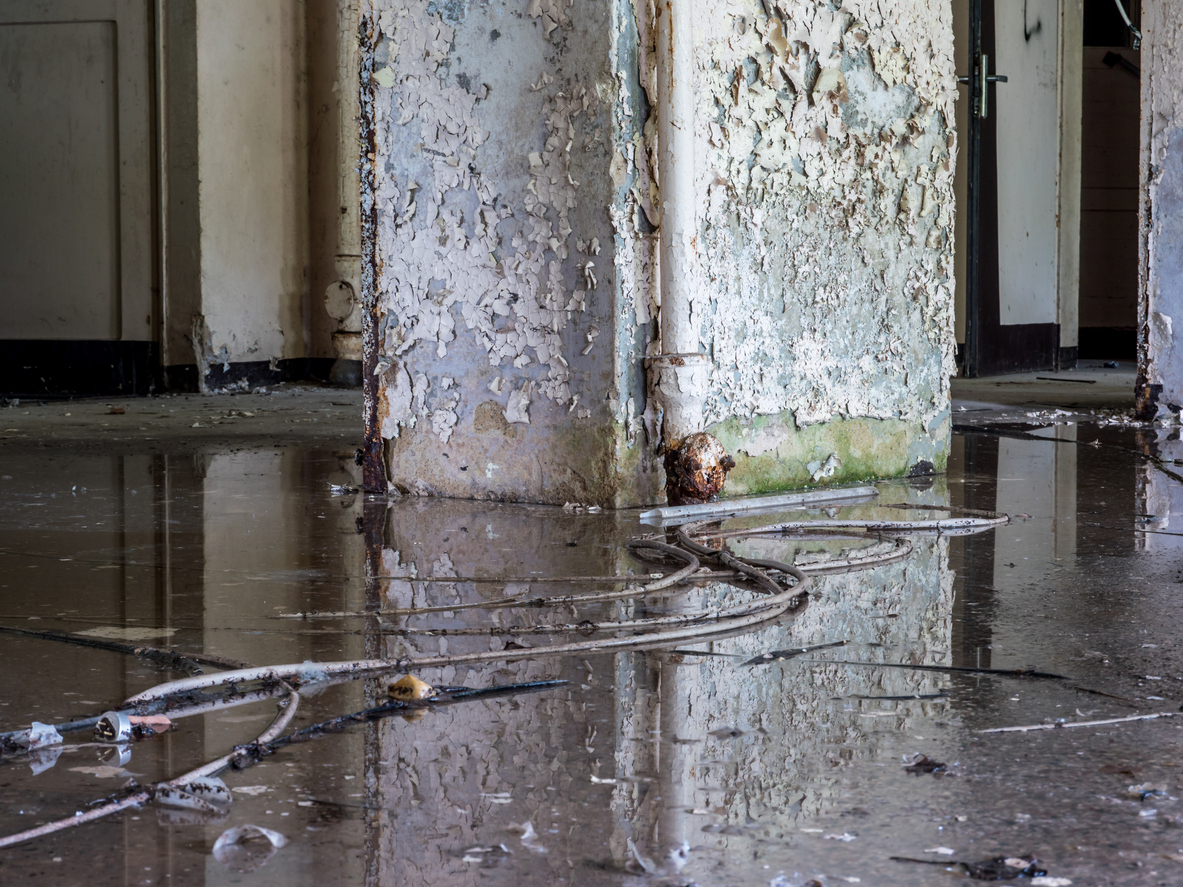
Wet insulation is one of the most damaging and overlooked consequences of winter moisture intrusion in Milton WA homes. After weeks of heavy rain, condensation, and cold temperatures, insulation inside walls, ceilings, and crawl spaces can become saturated without any visible signs. By the time homeowners notice cold rooms, rising energy bills, or persistent damp odors, insulation has often been compromised beyond repair. Proper restoration focuses on safely removing wet insulation, drying structural materials, and replacing insulation to restore energy efficiency and indoor comfort.
Homes in Milton are particularly vulnerable due to older construction, limited ventilation, and winter weather patterns that keep materials damp for extended periods. Working with a local restoration provider like 911 Restoration of Seattle ensures insulation damage is handled according to regional conditions and industry standards.
Why Insulation Gets Wet During Milton Winters
Winter moisture reaches insulation through several pathways. Wind-driven rain can enter through small gaps around siding, windows, and roof transitions. Condensation forms when warm indoor air meets cold exterior surfaces inside wall cavities. Ground saturation increases humidity in crawl spaces, allowing moisture to migrate upward into floors and walls.
Unlike sudden events that immediately require water damage restoration, insulation saturation often develops slowly. Insulation absorbs and holds moisture, remaining wet long after exterior surfaces appear dry. This prolonged exposure makes insulation one of the first materials to fail during winter moisture intrusion.
Why Wet Insulation Cannot Simply Be Dried
Once insulation becomes saturated, drying it in place is rarely effective. Wet insulation compresses and loses its ability to trap air, which is essential for thermal performance. It also holds moisture against wood framing and drywall, increasing the risk of mold growth and material deterioration.
In many Milton homes, wet insulation contributes to conditions that require professional mold removal and testing. Even if mold is not immediately visible, damp insulation creates an environment where spores can grow undetected behind finished surfaces.
The Process of Removing Wet Insulation During Restoration
Proper insulation removal begins with a thorough moisture assessment. Restoration professionals use moisture meters and thermal imaging to identify saturated areas inside walls, ceilings, attics, and crawl spaces. This assessment ensures all affected insulation is identified, not just areas with visible damage.
Once affected areas are mapped, containment is installed when necessary to prevent contaminants from spreading. Wet insulation is carefully removed and disposed of according to safety guidelines. Removing insulation exposes framing and substructures, allowing them to dry completely during the restoration process.
This step is a critical component of comprehensive water damage restoration, as it eliminates hidden moisture reservoirs that would otherwise continue damaging the home.
Drying and Stabilizing the Structure After Insulation Removal
After insulation is removed, drying focuses on structural materials. Air movers and dehumidifiers are positioned to remove moisture from framing, subfloors, and wall cavities. Moisture levels are monitored throughout the process to ensure materials return to safe ranges.
Drying the structure before insulation replacement is essential. Installing new insulation too soon can trap moisture and recreate the same conditions that caused damage initially. Restoration professionals verify dryness before moving forward with rebuilding.
Replacing Insulation as Part of the Restoration Process
Once drying is complete, new insulation is installed to restore energy efficiency and comfort. Replacement insulation is selected and installed according to current building standards and the specific needs of the home.
In Milton WA homes, insulation replacement often improves temperature consistency and reduces heating costs after winter damage. Proper installation also helps prevent condensation issues from recurring in future winters.
Crawl Spaces, Insulation, and Ongoing Moisture Risks
Crawl spaces are a common source of insulation damage in Milton homes. Moist soil, poor ventilation, and damaged vapor barriers allow insulation beneath floors to absorb moisture repeatedly. Restoration addresses crawl space conditions alongside insulation replacement to prevent future saturation.
Addressing crawl space moisture also reduces the likelihood of secondary issues such as sewage backup cleanup, which can occur when winter ground saturation overwhelms drainage systems.
Insurance Considerations for Insulation Damage
Insurance coverage for wet insulation depends on the cause of moisture intrusion. When insulation damage results from a covered water event, professional restoration documentation becomes critical. Restoration teams provide moisture readings, photographs, and removal records that support insurance claims.
Documentation is especially important if insulation damage contributes to other risks, such as electrical issues that increase the likelihood of fire and smoke damage within the home.
Why Addressing Wet Insulation Before Spring Matters
Leaving wet insulation in place through winter allows moisture damage to worsen as temperatures rise. Mold growth accelerates, materials degrade further, and energy efficiency declines. Addressing insulation damage in February prevents these issues and stabilizes the home before spring humidity arrives.
Early restoration also limits repair costs and reduces the risk of emergency restoration needs later in the year.
When to Call Restoration 24/7
If your Milton WA home feels colder than usual, has persistent damp odors, or experienced water intrusion during winter storms, wet insulation may be the cause. Professional restoration is the most effective way to identify and resolve insulation damage.
911 Restoration of Seattle provides residential and commercial restoration services throughout Milton and surrounding areas. Proper insulation removal and replacement protect your home from ongoing moisture damage and restore comfort after winter exposure.