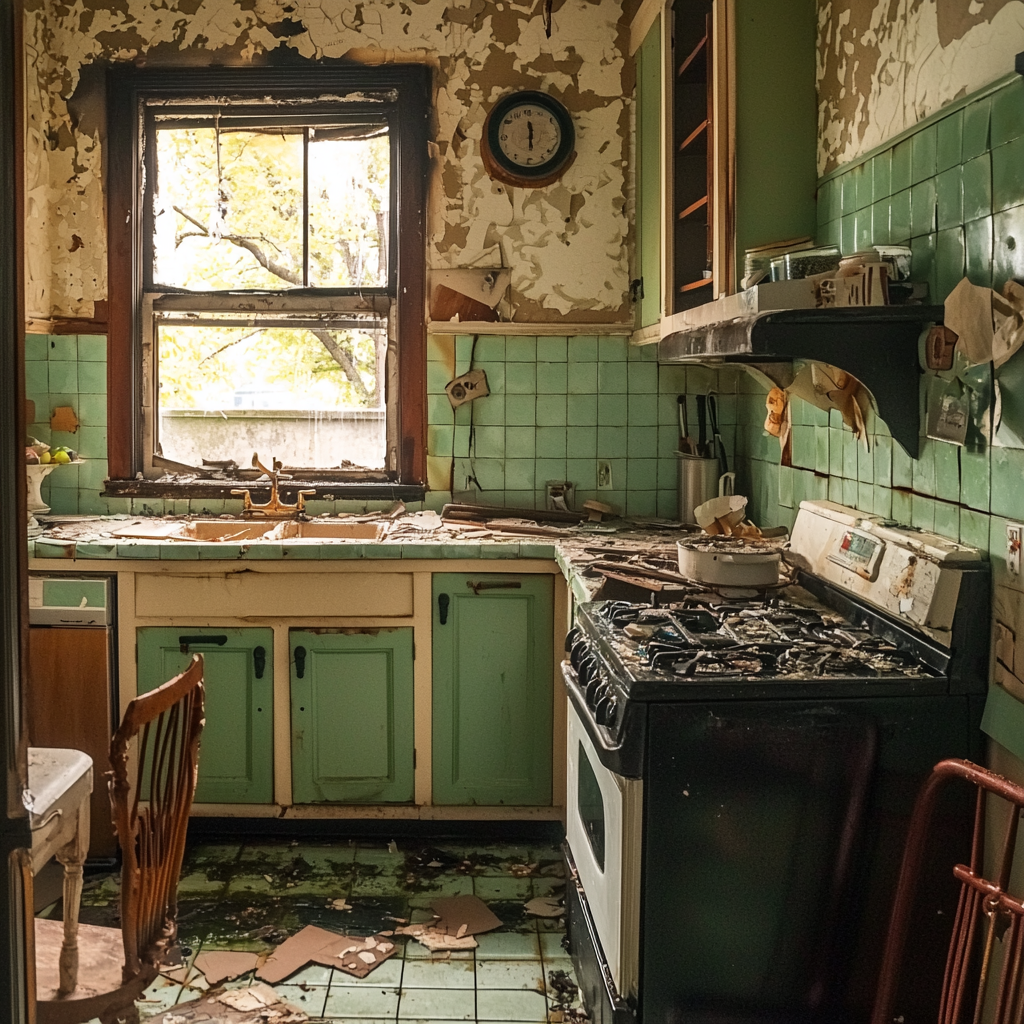
In Twin Lakes, homeowners are often surprised when a smoke smell lingers weeks after a fire event, even when visible damage appears minimal. January is when this problem becomes especially noticeable. Homes are sealed tightly against the cold, ventilation is reduced, and indoor air has fewer opportunities to refresh itself. What seemed like a faint odor in December can suddenly feel overwhelming, persistent, and impossible to ignore.
The mistake many homeowners make is assuming that time, fresh air, or household cleaners will eventually eliminate smoke odor. In reality, smoke damage is not a surface-level issue. By the time a smell lingers for weeks, smoke particles have already embedded themselves deep into the structure of the home.
Why Smoke Odor Does Not Fade on Its Own
Smoke is made up of microscopic particles that travel far beyond the area where a fire occurred. These particles penetrate porous materials such as drywall, insulation, wood framing, carpeting, and HVAC ducting. Even areas that were never visibly affected by flames can absorb smoke residue.
In Twin Lakes homes, this issue is compounded by winter conditions. Cold air outside and warm air inside create pressure differences that draw odors out of walls and ceilings. As heating systems run, they recirculate air through contaminated spaces, redistributing smoke particles throughout the home.
This is why odor often seems to “come back” after cleaning or airing out the house. The source was never removed.
Why DIY Methods Fail to Remove Smoke Smell
Many homeowners try air fresheners, ozone machines, vinegar bowls, or deep cleaning carpets and furniture. While these methods may temporarily mask odors, they do not neutralize smoke residue embedded in building materials.
Smoke particles bond chemically with surfaces. Simple cleaning cannot break those bonds. In some cases, improper DIY attempts can actually drive odors deeper into materials or spread them further through the home.
Professional fire and smoke damage restoration addresses the problem at its source by removing or treating contaminated materials and neutralizing odor-causing compounds, rather than covering them up.
Hidden Areas Where Smoke Odor Lives
One of the most frustrating aspects of smoke damage is how invisible it can be. Common hidden reservoirs include:
- Attic insulation and roof decking
- Wall cavities behind drywall
- HVAC ducts and return vents
- Subflooring beneath carpet or laminate
- Cabinet interiors and closets
In Twin Lakes homes, attached garages are another frequent source. Smoke drawn into the garage during a fire can migrate into the home long after cleanup appears complete.
Without professional assessment, these areas are often overlooked, allowing odors to persist indefinitely.
The Health Impact of Lingering Smoke Residue
Smoke residue is not just unpleasant. It can affect indoor air quality and irritate the respiratory system. Soot and smoke particles contain chemicals that may trigger headaches, coughing, throat irritation, or worsen existing respiratory conditions.
Children, older adults, and individuals with asthma are particularly sensitive. In January, when windows remain closed, exposure levels increase. This makes proper remediation critical, not just for comfort, but for health.
When Smoke Damage Is Mixed With Moisture
In some Twin Lakes homes, smoke odor problems are worsened by moisture. Water used to extinguish a fire, winter humidity, or condensation inside walls can reactivate smoke residue. Damp materials release odors more strongly, making the smell seem to intensify over time.
When moisture is involved, water damage restoration may be necessary alongside smoke remediation. Drying affected materials helps stabilize the environment and prevents both odor resurgence and secondary mold growth.
Why January Makes Smoke Smell Worse
January conditions trap odors indoors. Reduced ventilation, constant heating, and colder exterior temperatures prevent natural dissipation. Smoke particles that might go unnoticed during warmer months become concentrated in winter.
Twin Lakes homes often feature multi-level layouts and shared air pathways that allow odors to travel easily between floors. This makes smoke smell feel like a whole-house issue, even if the fire occurred in one area.
Insurance and Documentation Considerations
Smoke damage is often covered by insurance, but only when properly documented and addressed in a timely manner. Homeowners who attempt prolonged DIY cleanup may unintentionally delay professional assessment, complicating claims.
A restoration professional documents affected areas, identifies contaminated materials, and establishes the scope of work needed to fully resolve the issue. This protects homeowners from ongoing odor problems and helps avoid disputes over whether damage was adequately addressed.
When Smoke Odor Signals a Larger Problem
Lingering smoke smell can indicate that insulation, framing, or HVAC systems were not properly treated after the initial incident. In some cases, partial cleanup addresses visible areas but leaves hidden contamination untouched.
If odors persist weeks later, it is a sign that deeper restoration is required. Professional fire and smoke damage restoration uses specialized techniques such as thermal fogging, hydroxyl treatment, and material removal when necessary to permanently neutralize odors.
What Twin Lakes Homeowners Should Watch For
If you live in Twin Lakes and notice any of the following, smoke damage may still be present:
- Odors that return after cleaning or airing out the home
- Smell intensifying when heat is running
- Odors strongest near vents, closets, or ceilings
- Persistent irritation of eyes or throat indoors
- A smoky or chemical smell after rain or humidity
These signs indicate embedded residue that requires professional attention.
Professional Restoration Is the Only Permanent Solution
Smoke odor does not resolve on its own. Masking it delays proper treatment and allows residue to continue affecting air quality and comfort. Professional restoration removes the source, not just the symptom.
Restoration 24/7 provides comprehensive fire and smoke restoration services for Twin Lakes homeowners. Our team understands how smoke behaves in winter conditions and how to eliminate odors permanently using industry-approved methods.
To learn more or schedule an inspection, visit the Restoration 24/7 Seattle home page and get expert help restoring clean, odor-free indoor air.