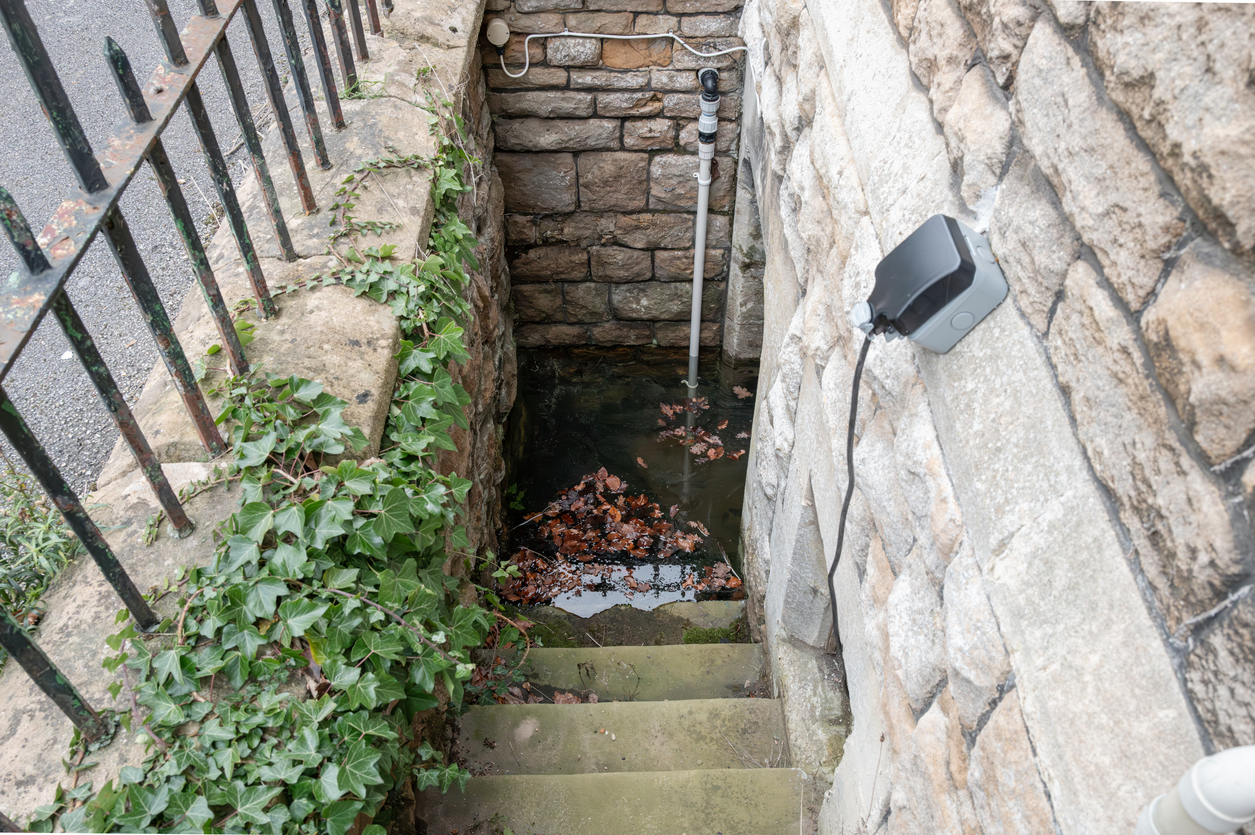
Crawl space problems are one of the most common sources of winter moisture damage in Auburn WA homes. During prolonged cold and wet weather, moisture collects beneath the home where it often goes unnoticed for weeks or months. By the time homeowners feel cold floors or notice musty odors, moisture has already compromised insulation, framing, and indoor air quality. Proper crawl space restoration after winter conditions focuses on drying, stabilization, and long-term moisture control, not just surface fixes.
Working with a local restoration provider like 911 Restoration of Seattle ensures crawl space conditions are evaluated with Auburn’s rainfall patterns, soil conditions, and construction styles in mind.
Why Crawl Spaces Collect Moisture During Auburn Winters
Auburn’s winter weather creates the perfect environment for crawl space moisture problems. Cold air settles beneath homes while saturated soil continuously releases moisture vapor. Poor ventilation, aging vapor barriers, and inadequate drainage allow humidity levels to rise and remain trapped.
Unlike obvious flooding events that require immediate water damage restoration, crawl space moisture develops gradually. Insulation absorbs moisture, wooden joists remain damp, and condensation forms on plumbing lines. These conditions persist long after rainfall stops, allowing damage to spread upward into the home.
What Happens When Crawl Space Moisture Is Ignored
When crawl space moisture is left untreated, it affects far more than the area beneath the home. Damp insulation loses its effectiveness, causing cold floors and higher heating costs. Wood framing stays wet long enough to support microbial growth, increasing the likelihood that professional mold removal and testing will be required.
Moist air rises from the crawl space into living areas, carrying odors and spores throughout the home. Over time, this can impact respiratory comfort and create recurring moisture issues that homeowners struggle to resolve with surface-level repairs alone.
What Proper Crawl Space Restoration Involves
Effective crawl space restoration begins with a detailed inspection. Restoration professionals assess moisture levels in soil, insulation, framing, and subflooring using specialized equipment. This allows them to determine whether materials can be dried or need to be removed.
Once the scope is defined, controlled drying begins. Industrial dehumidifiers and air movers are placed to reduce humidity and remove trapped moisture. Saturated insulation and damaged materials are removed to expose structural components and allow complete drying. This process is a critical part of comprehensive water damage restoration in crawl spaces.
Containment measures are used when necessary to prevent moisture and contaminants from spreading into living areas. Restoration teams also identify moisture entry points, such as damaged vapor barriers or drainage failures, that must be addressed to prevent future problems.
The Connection Between Crawl Spaces and Indoor Air Quality
Many Auburn homeowners are surprised to learn how much crawl space conditions affect indoor air quality. Air from beneath the home circulates upward through floor penetrations, ductwork, and wall cavities. When crawl spaces are damp, that air carries excess humidity and contaminants into living spaces.
Restoration that includes drying and stabilization helps restore healthy airflow throughout the home. Addressing crawl space moisture also reduces the risk of secondary issues such as sewage backup cleanup, which can occur when saturated ground places pressure on plumbing systems during winter storms.
Why Crawl Space Repairs Alone Are Not Enough
Some homeowners attempt to fix crawl space issues by replacing insulation or sealing vents. While these steps may help temporarily, they often fail because moisture has not been fully removed or verified. Without professional drying and moisture monitoring, damp conditions return as soon as winter rains resume.
Restoration focuses on moisture elimination, verification, and prevention. This includes documenting moisture levels before and after drying, ensuring structural materials are stable, and confirming that humidity levels remain within safe ranges.
Insurance Considerations for Crawl Space Restoration
Insurance claims involving crawl space damage can be challenging because moisture often develops over time. Restoration documentation plays a critical role in supporting claims related to winter water intrusion or storm-related damage.
Professional restoration teams provide detailed reports, moisture readings, and photographic evidence that help demonstrate the extent and cause of damage. This documentation can also be essential if crawl space moisture contributes to other events, such as electrical issues that increase the risk of fire and smoke damage.
Why February Is the Right Time for Crawl Space Restoration
February is often the point when crawl space moisture problems reach their peak. Soil remains saturated, temperatures fluctuate, and humidity levels stay elevated. Waiting until spring allows moisture damage to worsen and increases the risk of mold growth as conditions warm.
Restoring crawl spaces before spring helps stabilize the home, improve comfort, and prevent larger restoration needs later in the year. It also protects property value by addressing hidden damage before it spreads.
When to Call Restoration 24/7
If your Auburn home has cold floors, persistent musty odors, or unexplained humidity during winter, crawl space moisture may be the cause. Professional restoration is the most effective way to identify and resolve these issues.
911 Restoration of Seattle provides residential and commercial restoration services throughout Auburn and surrounding areas. Restoring crawl spaces after winter moisture damage protects your home and helps prevent recurring problems year after year.