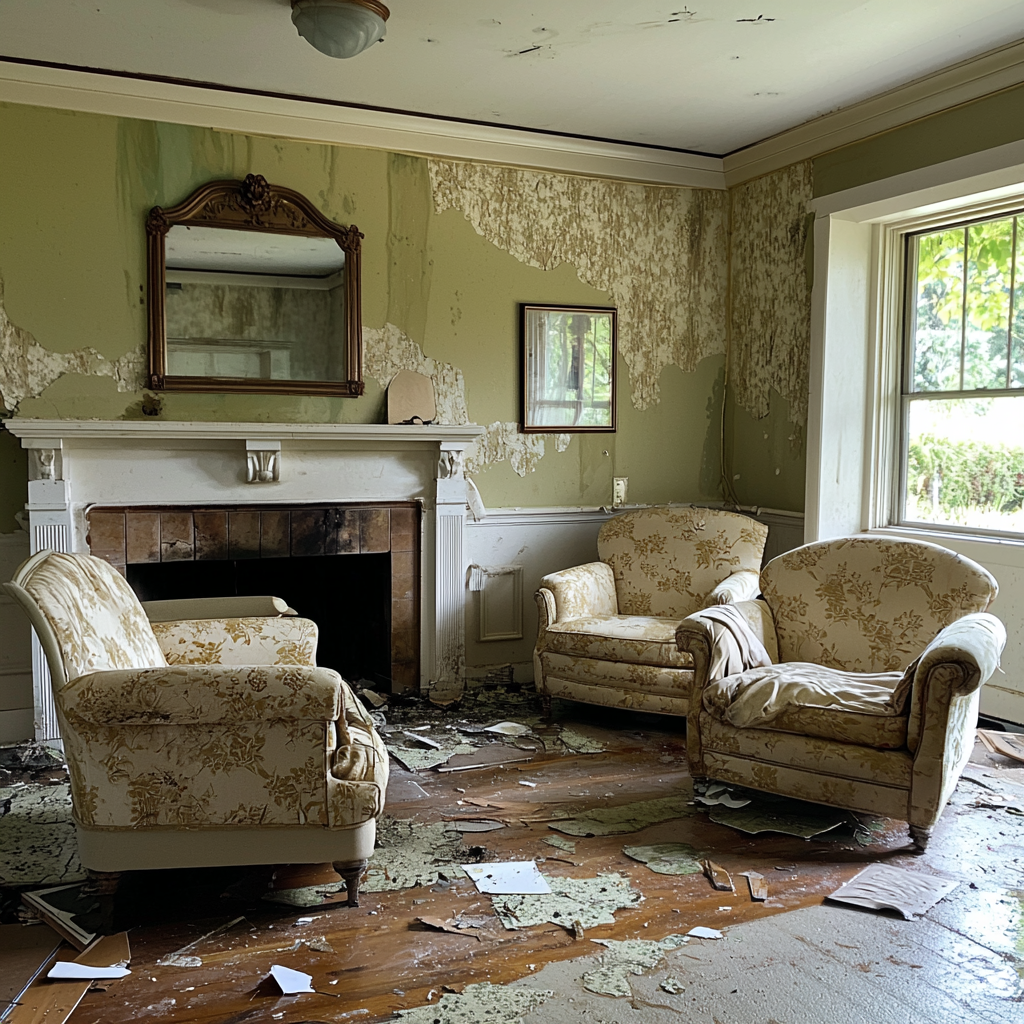
Winter in Federal Way: Why New Ceiling Cracks Appear Now
Early December brings heavy rain, cold nights, and constant moisture shifts throughout Federal Way—especially in neighborhoods like Marine Hills, Lakota, and Twin Lakes. This is the time of year when homeowners often look up, notice a new ceiling crack, and wonder whether it’s just cosmetic or something far more serious.
In winter, Federal Way homes experience rapid temperature swings, roof saturation, attic humidity, and shifting soil conditions. These combined forces can cause drywall to move, seams to separate, and paint lines to split. The key is knowing which cracks are harmless—and which ones signal structural or moisture-related damage that needs immediate attention.
Why Ceiling Cracks Form More Often in Federal Way During Winter
Federal Way’s winter climate is uniquely tough on residential structures. Here’s why cracks develop more frequently this time of year:
Moisture-Saturated Roof Decking
When the Puget Sound storms roll in, roof materials absorb water. If the attic is under-insulated or poorly ventilated, that moisture can seep downward into the ceiling drywall. As materials expand and contract, cracks appear around seams, corners, or fixtures.
Settling from Water-Logged Soil
Federal Way’s clay-rich soils hold water in winter. Homes built on slopes—common in areas near Dash Point Road and Redondo—can shift slightly after heavy rainfall. Even minor settling can create new cracks in upstairs ceilings.
Rapid Indoor–Outdoor Temperature Swings
Turning up the heat in a cold house causes sudden expansion in framing materials. At the same time, outdoor temperatures drop sharply overnight. Ceiling joints absorb this stress.
When a Ceiling Crack Isn’t a Big Deal
Not every crack signals an emergency. The following usually fall in the “monitor it, but don’t panic” category:
- Hairline cracks under 1/16-inch wide
- Straight cracks following drywall tape seams
- Small cracks that form around the holidays when heating habits change
- Cracks that don’t show discoloration or feel soft to the touch
These common cosmetic cracks often appear after temperature changes—not because of an active water leak.
Warning Signs That the Crack Is Serious
If you live in Federal Way, pay attention to the following red flags. They typically mean water damage, roof failure, or structural stress:
Brown, Yellow, or Rust-Colored Staining
Any discoloration above or around a crack indicates moisture intrusion. In Federal Way, this often points to damaged shingles, clogged gutters, or attic condensation.
Cracks Paired with Sagging Drywall
If the ceiling looks bowed, soft, wavy, or damp, you may have an active leak—common after back-to-back atmospheric river events.
A Crack That Grows Quickly
Measure the crack, take a photo, and check again in 48 hours. If it spreads, expands, or widens, you likely have structural movement or escalating moisture.
Cracks Near Light Fixtures or Ceiling Vents
These can indicate condensation or ductwork leaks—an issue that spikes in winter due to Federal Way’s cold, damp air.
What to Do If You Suspect Water Damage
Residents of Federal Way deal with some of the highest winter moisture loads in South King County. If you see ANY sign of water inside a ceiling crack:
- Check attic insulation and look for damp spots.
- Inspect roof valleys and flashing—common leak points during December storms.
- Look for pooling water around the home’s exterior perimeter (common in Twin Lakes and Lakota).
- Turn off electricity in areas with obvious moisture.
- Call a water damage specialist immediately.
Even a small leak can become a mold problem within 24–48 hours.
Why Quick Action Matters in Federal Way Homes
Delaying repairs in December invites bigger issues:
- Mold growth from trapped attic condensation
- Ceiling collapse from saturated drywall
- Structural rot around rafters or trusses
- High utility bills from moisture-heavy insulation
- Electrical hazards
Federal Way homes—especially those built between the 1970s and early 2000s—tend to have attic ventilation gaps that worsen winter moisture problems. The sooner the leak source is found, the easier and more cost-effective the repair.
Professional Help for Ceiling Cracks and Leaks in Federal Way
If you’re seeing new cracks, stains, sagging sections, or moisture anywhere in your ceiling, we can help. Our Federal Way-focused restoration team is trained for winter-specific risks, including attic condensation, roof leaks, structural settling, and hidden moisture behind drywall.
We offer:
- Emergency 24/7 water damage cleanup
- Moisture detection and leak tracing
- Mold remediation services
- Structural drying
- Ceiling and drywall restoration
Start with a professional inspection—especially if winter storms just passed through your neighborhood.
For immediate help:
Visit the 911 Restoration Seattle Home Page: https://www.911restorationseattle.com/
Or contact us directly anytime for emergency service: https://www.911restorationseattle.com/contact-us/