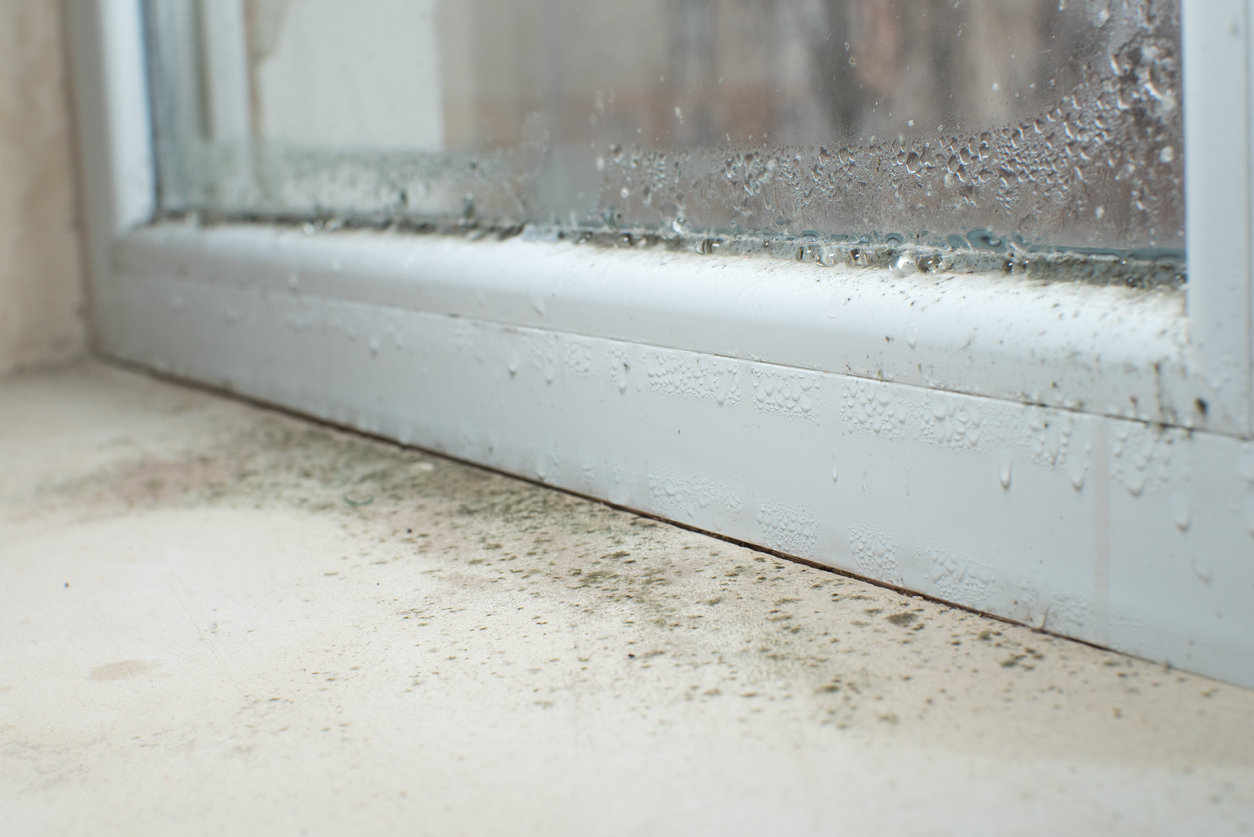
Mold Concerns in Tacoma and University Place Rentals
For both landlords and tenants in Tacoma and University Place, mold is a common point of tension. Renters often notice musty smells, dark spots on walls, or increased allergy symptoms, while landlords wonder whether it’s a minor maintenance issue or a bigger liability.
With fall’s damp weather setting in, mold risks increase significantly. Condensation from heating, reduced ventilation, and ongoing rainfall combine to make October one of the highest-risk months for mold growth in Pierce County rentals.
Why Mold Appears in Rental Properties
Mold thrives anywhere moisture lingers. In rentals, several unique conditions make it more likely to form:
- Shared ventilation systems – Multi-unit housing can spread humidity and mold spores between units.
- Older construction – Many Tacoma rentals lack modern insulation or vapor barriers.
- Tenant lifestyle factors – Limited window use, frequent cooking, or long showers without ventilation all increase indoor humidity.
- Undetected maintenance issues – Landlords may not spot hidden leaks until tenants report visible mold.
Tenant Health Risks
Mold is not just a cosmetic issue—it has real health implications. Renters exposed to mold may experience:
- Sinus congestion and chronic cough.
- Headaches or fatigue.
- Asthma flare-ups or new respiratory issues.
- Skin irritation.
Because these symptoms can mimic seasonal allergies, tenants sometimes dismiss them until mold growth becomes widespread.
Landlord Responsibilities in Washington State
In Washington, landlords are legally required to provide habitable living conditions. That includes addressing mold when it threatens tenant health or structural integrity. While tenants are responsible for keeping their units ventilated and clean, landlords must act on leaks, water damage, or structural problems that contribute to mold.
Ignoring mold complaints can lead to:
- Health department involvement.
- Withholding of rent by tenants.
- Costly remediation and liability claims.
When to Call Professionals
Small patches of surface mold may be cleaned with household solutions, but recurring or widespread mold requires professional help. Mold removal specialists can:
- Test air quality and spore counts.
- Identify hidden leaks behind walls or under flooring.
- Remove mold-contaminated materials safely.
- Apply treatments to prevent regrowth.
At 911 Restoration of Seattle, we work with both landlords and tenants to create safe, healthy living environments while protecting property value.
The Link Between Mold and Water Damage
In many cases, mold signals a larger issue. A leaking pipe, roof seepage, or poor drainage may be fueling repeated mold outbreaks. Professional water damage restoration ensures that moisture sources are identified and corrected before remediation is complete.
For properties with past flooding or backups, services such as sewage cleanup and fire damage restoration may also be required to prevent lingering contamination.
Tips for Tenants to Reduce Mold Risks
Tenants can take proactive steps to help minimize mold growth, including:
- Running exhaust fans during showers and cooking.
- Opening windows on dry days for ventilation.
- Reporting leaks or water stains immediately.
- Avoiding drying clothes indoors without ventilation.
These habits don’t replace the need for repairs, but they help reduce conditions mold thrives on.
Call to Action
If you’re a landlord managing multiple units—or a tenant noticing mold in your rental—don’t wait for the problem to worsen. Contact 911 Restoration of Seattle today. Our team provides full mold remediation, water damage repair, and prevention strategies to keep Tacoma and University Place rental properties safe and livable.