Living in Des Moines or Dash Point offers gorgeous views of Puget Sound—but it also means your home faces unique environmental stressors. From salt-laden air to late-summer storm surges, coastal properties in these communities often suffer a different kind of wear and tear that makes them more vulnerable to water damage, mold growth, and even structural degradation.
Let’s explore the top seasonal restoration concerns for these coastal communities and what you can do to keep your home resilient as fall approaches.

Coastal Microclimate = Accelerated Wear
Homes near the Sound endure much more than inland counterparts:
- Salt in the air corrodes metal fixtures and eats away at exterior paint
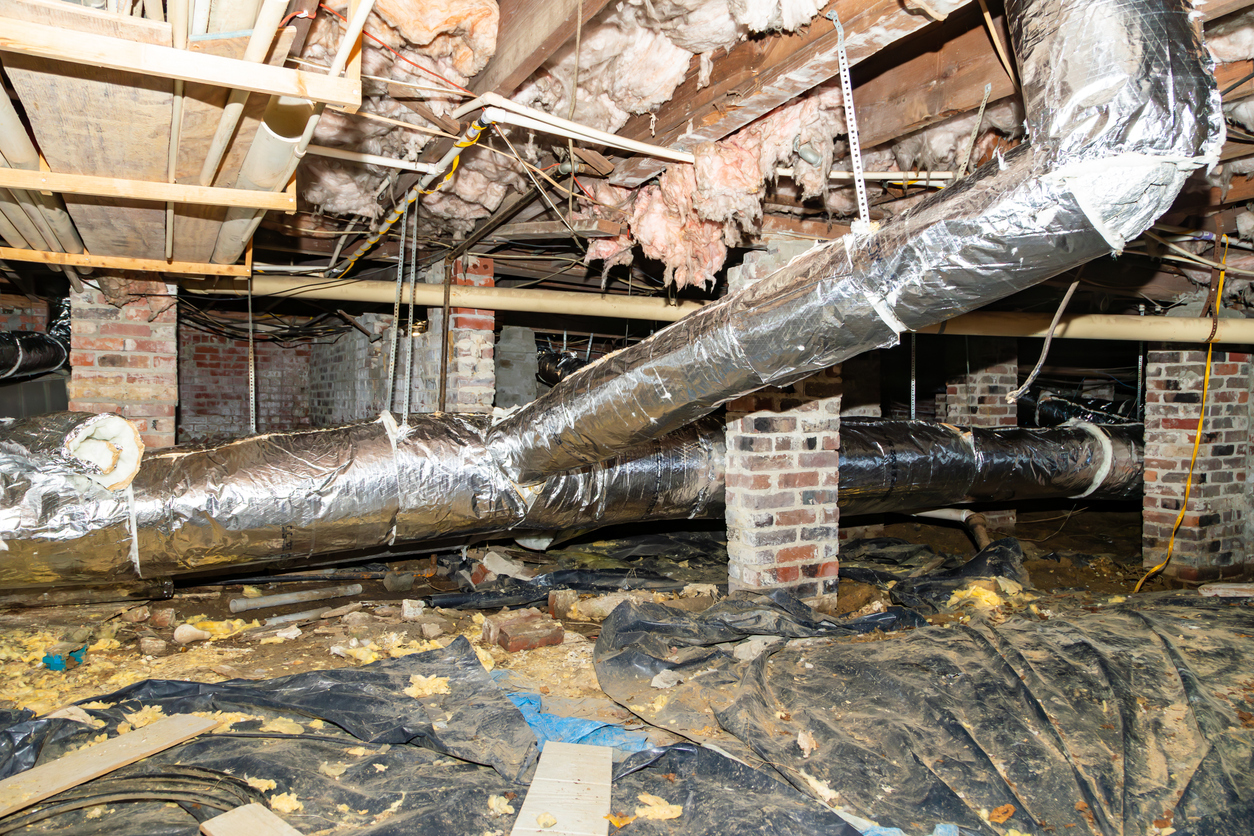
- Marine fog and humid nights increase condensation in crawl spaces and attics
- Storm surge risk rises in late summer when high tides meet late-season rain
These conditions create the perfect storm (literally) for water intrusion and mold, especially in homes with aging siding, low-slope grading, or basement-level entryways.

August Brings Late-Summer Storm Risk
Though the driest months are behind us, late August can bring unexpected heavy rains and wind gusts off the water. Homes in Des Moines and Dash Point should be prepared for:
- Backflow issues in storm drains
- Roof damage from wind-blown debris
- Garage or daylight basement flooding
Our team at 911 Restoration of Seattle has responded to dozens of emergency calls from homeowners whose “quick summer shower” turned into soaked flooring and ruined drywall in less than an hour.
When water strikes, our 24/7 water damage restoration crews arrive fast—with moisture mapping tools, industrial dryers, and trained technicians to help you dry out before mold sets in.

Salt Air and Mold Go Hand in Hand
Even without flooding, the marine air in Dash Point and Des Moines raises relative indoor humidity—especially in homes with:
- Single-pane or unsealed windows
- Poor attic insulation or crawlspace ventilation
- Coastal-facing walls with minimal overhang or flashing
Over time, these small issues can evolve into large mold colonies. If you’ve noticed musty smells, soft wall spots, or persistent allergies, schedule a mold inspection now before it spreads.
Fire Risk Still Lingers
Yes, even coastal areas aren’t immune to late-summer fire hazards. A particularly dry August, paired with strong wind events, can lead to brush fires—especially in overgrown backyards or neglected greenbelts. If you experience fire or smoke damage:
- Don’t touch or attempt to clean soot—it’s chemically active
- Open windows only if it’s safe from outside contaminants
- Call for professional fire and smoke restoration ASAP
We’ll neutralize odors, clean HVAC systems, and ensure your property is fully restored with attention to detail and indoor air quality.
Don’t Delay Restoration Near the Coast
Waiting too long after a storm or leak near the coast means:
- More extensive damage behind walls
- Higher likelihood of secondary mold growth
- Tougher documentation process with insurance adjusters
Whether you’ve already experienced damage or just want a seasonal inspection, our disaster restoration team can walk you through the process step-by-step—from drying and cleaning to helping you navigate the claim.
Homeowner To-Do List for Des Moines & Dash Point
- Check your attic and crawlspace humidity levels
- Clean gutters and ensure water flows away from the foundation
- Inspect basement walls and garage floors for early seepage
- Store valuables in plastic bins instead of cardboard
- Have an emergency plan ready in case of flooding or fire
We Live Here Too—And We’ve Got You Covered
At 911 Restoration of Seattle, we understand how proximity to Puget Sound comes with both beauty and responsibility. Our team knows the microclimates, soil types, and storm patterns that make Des Moines and Dash Point homes vulnerable—and we’ve got the tools and training to help.
Call today for a same-day inspection or emergency response.
Request help now