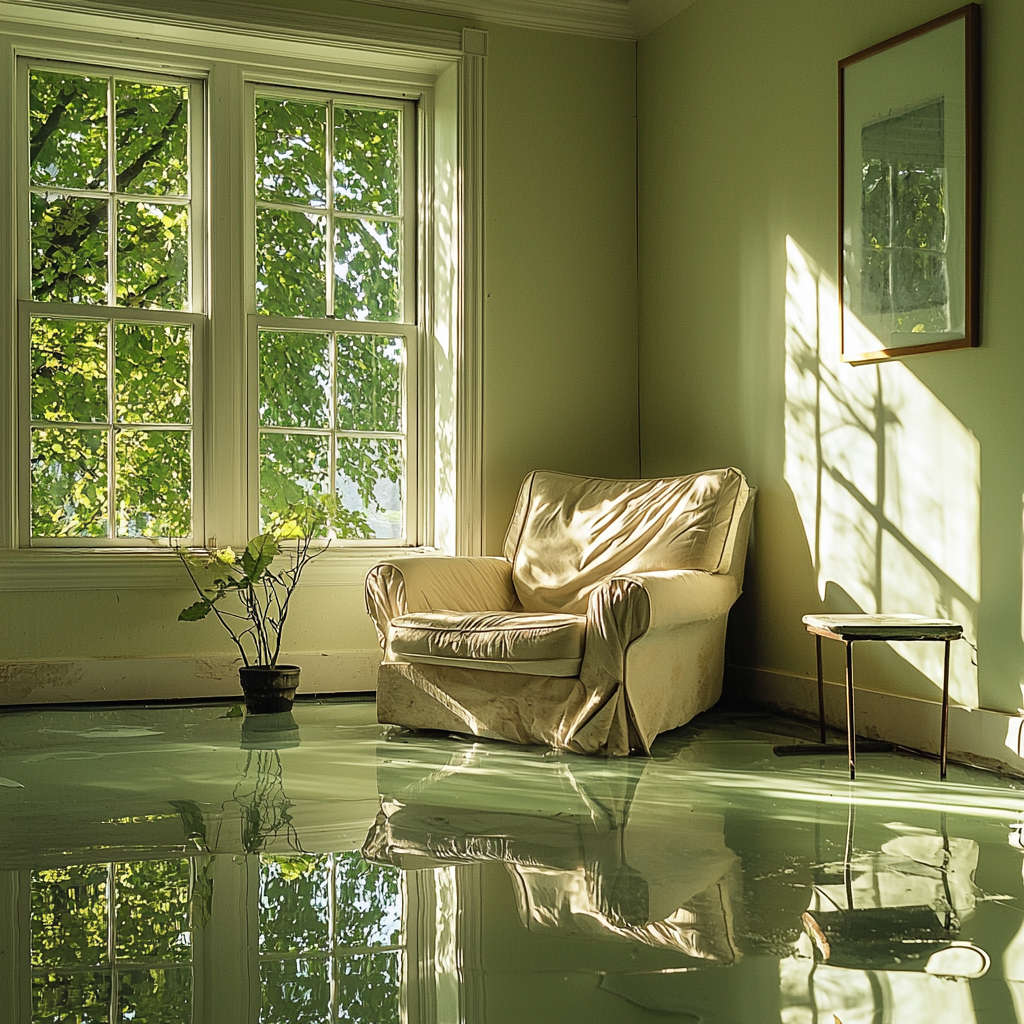
When most people think of storm damage, they picture downed trees and flooded riverbanks—but if you live in Seattle, you know the real danger often strikes in the heart of the city. Seattle’s urban neighborhoods, with their dense housing, aging infrastructure, and compact drainage systems, are uniquely vulnerable to summer storm damage.
At 911 Restoration of Seattle, we help homeowners across Capitol Hill, Ballard, Rainier Valley, and beyond prepare for sudden rain events, drainage overflows, and unexpected flooding. If you live in an area where water collects quickly or gutters routinely back up, now is the time to act—before the next summer storm hits.

Why Summer Storms Catch Seattle Homeowners Off Guard
Seattle is known for long stretches of drizzle, not thunderstorms—but that’s exactly what makes sudden summer downpours so dangerous. In June and July, the weather can change fast, and when hot, dry air meets leftover spring moisture, it can trigger flash storms with intense rainfall over short periods.
Urban neighborhoods are hit hardest because:
- Paved surfaces prevent absorption, leading to rapid runoff
- Storm drains and sewers can be overwhelmed in minutes
- Older homes often lack modern waterproofing around basements and foundations
- Row housing and shared walls can allow water intrusion to spread between units
These conditions lead to urban flooding, which can happen without warning and cause significant damage to basements, crawl spaces, and first floors.

Areas Most at Risk in Seattle
While every home has its vulnerabilities, certain neighborhoods experience storm-related water issues more often due to geography, infrastructure, or building age.
- Capitol Hill and First Hill: Older multi-family homes and apartments with minimal outdoor drainage
- Ballard and Fremont: High-density areas with aging storm systems and proximity to canal overflow
- South Park and Georgetown: Low-lying, flood-prone zones near the Duwamish River
- Rainier Valley: Steep slopes and poor grading lead to fast-moving surface water
- West Seattle: Mix of older homes and hillside construction increases runoff and basement risk
If you’ve had water near your foundation, gutter overflow, or even a “one-time” basement puddle, you’re already seeing early signs of a larger problem.
Pre-Storm Checklist for Urban Homeowners
Seattle homeowners can’t prevent rain—but you can take steps to reduce how that water interacts with your property. Here’s what to check this June:
- Gutters and downspouts – Clear debris and ensure downspouts discharge at least 6 feet from your foundation.
- Foundation grading – Soil should slope away from the home; add topsoil or adjust landscaping if needed.
- Window wells and basement vents – Install covers and make sure they’re sealed properly.
- Check sump pump function – Test by pouring water into the pit to verify it engages automatically.
- Seal basement walls and floor cracks – Even small gaps can become major flood entry points.
- Install backflow valves – These prevent sewage from backing up into your home during storm surges.
Pro tip: If your home doesn’t already have a sump pump or water alarm system, consider installing one before Seattle’s dry season gives way to summer volatility.
What to Do During a Storm
If a summer storm is forecast or already underway:
- Close basement windows and seal exterior doors
- Unplug electronics in lower levels in case of power surges
- Move valuables off the floor in basements and ground-level rooms
- Keep a wet/dry vacuum and fans accessible in case of minor water intrusion
- Monitor drains and street flooding near your property if you live on a slope
Most importantly, avoid entering flooded areas without safety gear—flood water can carry bacteria, electrical risk, and structural hazards.
If You Experience Flooding: Act Fast
Seattle’s rapid-response teams are often overwhelmed after a major storm. The key to minimizing damage is to act quickly and bring in professional restoration support right away.
At 911 Restoration of Seattle, we provide:
- 24/7 water damage emergency response
- Basement water extraction and dry-out
- Moisture mapping to detect hidden issues
- Sanitization to prevent mold and bacteria
- Structural repair and full restoration
- Assistance with insurance documentation and claims
Whether you’re dealing with an inch of water or a full basement flood, time is your most important asset. We’re available day or night to help you recover and rebuild.
Long-Term Protection for Urban Homes
Once the storm has passed, it’s worth investing in longer-term upgrades to safeguard your home:
- French drains or trench systems around your property perimeter
- Exterior waterproofing membranes for foundations
- Smart home water alarms and automatic shut-off valves
- Yearly gutter and drainage maintenance contracts
- Professional inspections after major storms, even if no damage is visible
These upgrades can improve your property value and reduce your risk of recurring issues, especially in high-density areas where drainage systems are frequently overburdened.
Don’t Wait for Water to Knock on Your Door
Seattle’s summer weather may be unpredictable, but your home doesn’t have to be vulnerable. If you live in an urban neighborhood and haven’t storm-proofed your basement or foundation, now is the time.
Schedule a summer storm readiness inspection with 911 Restoration of Seattle or reach out through our contact form for emergency service. We’re here to help Seattle homeowners prepare, protect, and recover—rain or shine.