In Tacoma WA, two homes can experience the same storm and respond completely differently.
One dries out within days.
The other stays damp for weeks.
The difference often isn’t the roof.
It isn’t the gutters.
It isn’t maintenance.
It’s the ground the house is sitting on.
Across parts of Tacoma — especially older North End pockets, areas near the Tideflats, and neighborhoods developed on compacted fill during mid-century expansion — soil behavior changes how water interacts with foundations.
By late March, we frequently see homes where water damage isn’t from a new event — it’s from soil that never stopped holding moisture after winter.
This is when professional water damage restoration becomes necessary, even if the storm happened weeks earlier.

What “Fill Soil” Means in Tacoma
During periods of expansion in the 1940s–1970s, some Tacoma neighborhoods were developed using imported or redistributed soil to level terrain.
Fill soil behaves differently than native, undisturbed soil.
Compacted fill can:
- Retain water unevenly
- Settle over time
- Create voids near foundations
- Channel water toward slab edges
Unlike hillside neighborhoods where runoff sheds downhill, fill-based areas may trap moisture around the perimeter of a home.
When winter storms saturate the ground, that moisture can remain near foundation walls far longer than expected.

The March Lag Effect
By March, rainfall intensity may decrease — but soil saturation remains high.
In fill soil neighborhoods, groundwater does not always dissipate efficiently. Instead, moisture slowly migrates toward foundation systems.
Homeowners often notice:
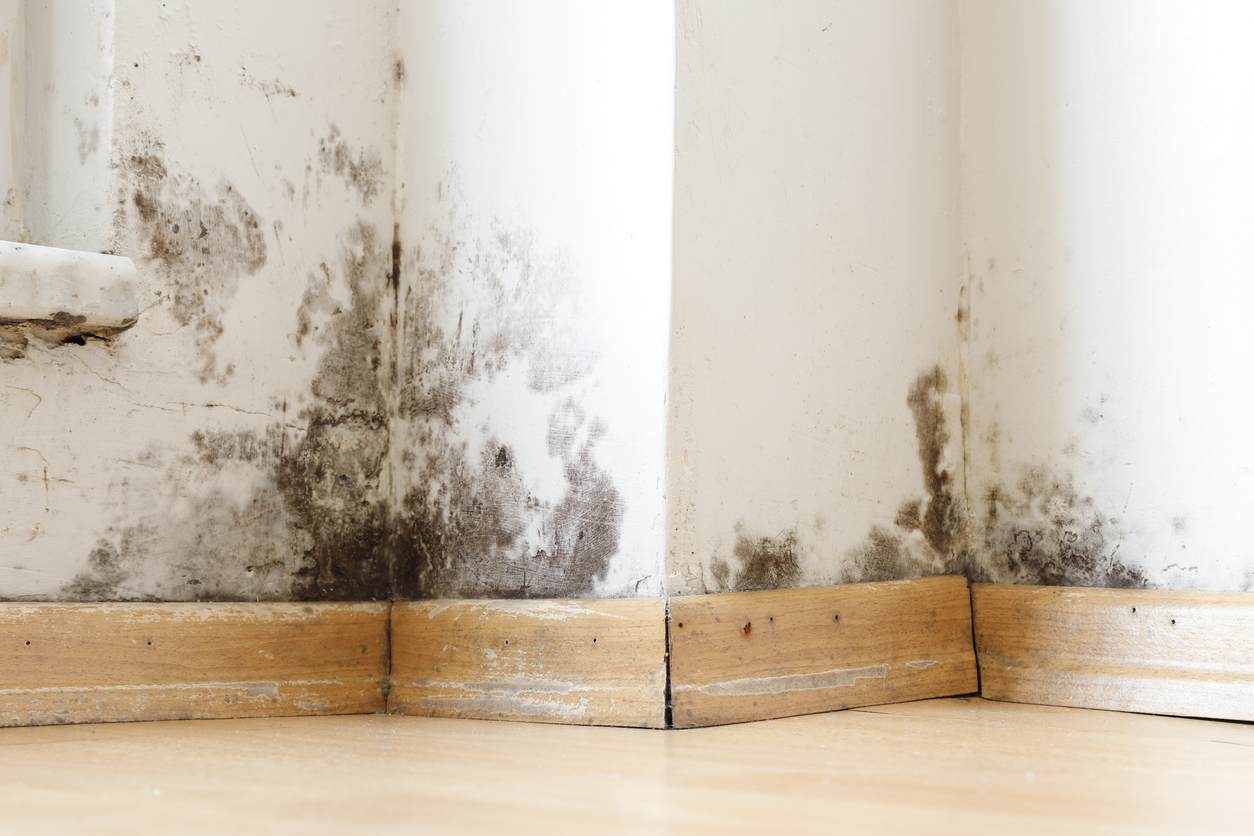
- Persistent damp basement corners
- Slab-edge moisture
- Carpet edges darkening near exterior walls
- Efflorescence forming on concrete
The visible damage appears delayed.
But the moisture has been present for weeks.

Settlement Cracks and Foundation Stress
Over time, fill soil can settle unevenly. That settlement creates hairline foundation cracks and slab shifts.
When groundwater pressure builds during winter, those small cracks become entry points.
Unlike dramatic flood events, this type of intrusion is gradual. Moisture seeps inward through:
- Expansion joints
- Utility penetrations
- Hairline slab fractures
By the time homeowners feel dampness underfoot, subfloor materials may already be absorbing moisture.

Why This Differs From Bluff and Valley Behavior
Compare fill soil Tacoma neighborhoods to:
- Dash Point bluff homes (wind-driven rain from above)
- Fife valley homes (rising water table from below)
- Edgewood hillside builds (lateral soil pressure)
Fill soil zones create a hybrid issue — not dramatic hydrostatic pressure, but persistent perimeter dampness.
That lingering moisture is what drives restoration needs.

What Restoration Looks Like After Soil-Driven Intrusion
When slab-edge or foundation moisture has already entered a Tacoma home, restoration focuses on stabilization.
Typical steps include:
- Moisture mapping along foundation walls
- Flooring removal where saturation is present
- Controlled drying of slab surfaces
- Dehumidification to reduce interior vapor pressure
- Monitoring until moisture levels normalize
Because soil-driven moisture can remain for extended periods, microbial growth may begin beneath flooring or inside lower wall cavities. In those cases, professional mold removal and testing may be required alongside drying.
Addressing moisture early limits demolition scope.

Secondary Risks When Slab Moisture Persists
When foundation-level moisture lingers, it can impact:
- Electrical outlets near baseboards
- HVAC returns at floor level
- Storage materials in lower rooms
Corrosion over time increases risk factors associated with fire and smoke damage if wiring degrades.
In extreme saturation scenarios combined with aging municipal infrastructure, some homes may also experience conditions requiring sewage backup cleanup during peak storm cycles.
Persistent moisture rarely remains isolated.

Why March Is Tacoma’s “Slow Burn” Month
January and February create saturation.
March reveals the homes that cannot shed it.
In fill soil neighborhoods, drying lags behind rainfall patterns. Even as skies clear intermittently, the ground continues feeding moisture toward the structure.
Waiting until April or May allows:
- Flooring systems to deteriorate
- Wall assemblies to absorb additional vapor
- Mold to expand beneath surfaces
Early structural drying shortens the moisture cycle and reduces long-term repair cost.

When Tacoma Homeowners Should Call
If you live in Tacoma WA and notice:
- Damp basement corners
- Persistent slab-edge moisture
- Flooring buckling weeks after a storm
- Musty odor near foundation walls
You may be dealing with fill soil retention — not a new plumbing issue.
911 Restoration of Seattle provides residential and commercial restoration services throughout Tacoma and surrounding communities. Soil-driven water damage requires interior drying, structural stabilization, and terrain-aware evaluation before reconstruction begins.