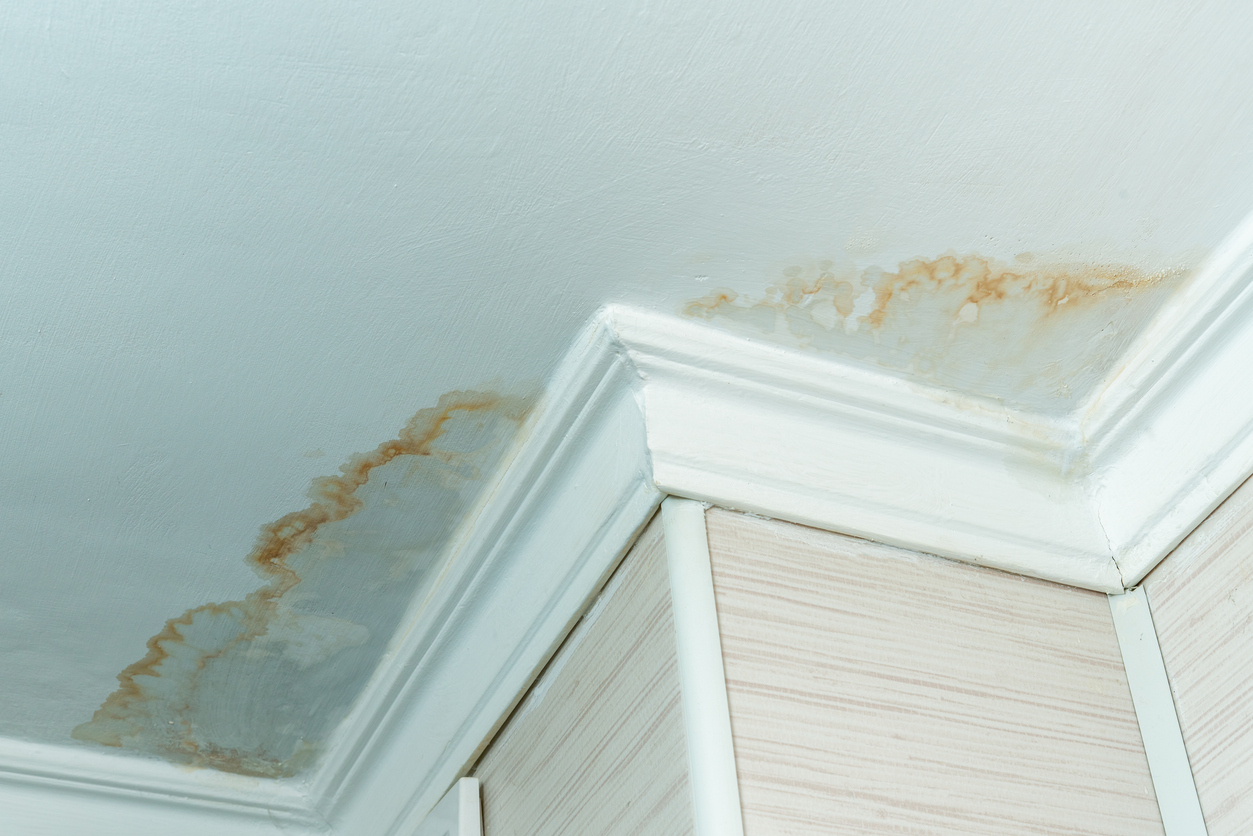
Seattle’s skies may finally be clearing after a long spring, but that doesn’t mean your home is in the clear. In fact, June is one of the most important times of the year to check your property for hidden water damage—especially after months of rain, fluctuating temperatures, and storm runoff.
At 911 Restoration of Seattle, we’ve helped countless homeowners in Capitol Hill, Greenwood, West Seattle, and across King County discover water damage they didn’t even know they had. A proactive inspection now can prevent costly repairs, structural damage, and mold growth later in the summer.
Here are the top five reasons why you should schedule a water damage inspection this month—before small issues turn into big emergencies.

1. Winter and Spring Rain May Have Left Hidden Moisture Behind
Seattle’s wet season saturates roofs, foundations, siding, and basements. And even when the sun starts shining, moisture trapped in your home’s materials may still be there—causing silent damage behind the scenes.
During a professional water damage inspection, we use tools like:
- Moisture meters and infrared cameras to find water behind walls or under floors
- Crawl space and attic checks to identify lingering humidity
- Insulation testing to see if it’s holding moisture
- Sump pump inspections to confirm they worked effectively during spring storms
By catching moisture early, you can dry and repair vulnerable areas before they become mold factories.

2. Mold Growth Accelerates in Summer Heat
Seattle’s average summer highs aren’t extreme—but they’re more than enough to trigger mold growth in damp conditions. Mold typically begins forming within 24 to 48 hours of sustained moisture, and warm air helps it spread faster than most homeowners expect.
A water damage inspection in June lets you:
- Identify areas where mold may already be forming
- Test air quality for elevated spore counts
- Locate hidden leaks or condensation that may be feeding mold growth
- Develop a treatment and prevention plan
If you’ve noticed musty smells, increased allergies, or high indoor humidity, now is the time to act.
3. Older Seattle Homes Are Especially Vulnerable
From Craftsman bungalows in Wallingford to mid-century homes in Shoreline, Seattle has a large stock of aging houses. Many of these homes were built before modern waterproofing and drainage techniques became standard—and over time, materials break down.
Common issues in older homes include:
- Cracked foundation walls
- Worn-out vapor barriers or insulation
- Leaky pipe joints or corroded fittings
- Settling that redirects rainwater toward the home
These issues aren’t always visible, especially if they’re under flooring or behind finished basement walls. A trained water damage specialist knows where and how to look—even when you can’t see the problem yourself.
4. Summer Travel Can Delay Detection of Water Damage
Many Seattle homeowners travel in June and July—camping trips, weekend getaways, or longer vacations. But if your home experiences a leak or sump pump failure while you’re away, the damage can be catastrophic before you ever know it happened.
A water damage inspection now ensures:
- All plumbing systems are secure and functioning properly
- No active leaks are occurring under sinks or behind appliances
- HVAC condensate lines are clear and draining correctly
- No signs of recent flooding or pooling water remain in the basement or crawl space
We also recommend installing smart water sensors or automatic shut-off valves if you plan to leave town for more than a few days.

5. Insurance Coverage is Easier with Documentation
In the event that you do experience water damage later this summer, your ability to file an insurance claim often depends on proof of condition and maintenance. A professional inspection report from 911 Restoration of Seattle can serve as:
- Documentation that the home was inspected and in good condition as of June
- A baseline for identifying when damage occurred
- Support for claims that damage wasn’t due to negligence
If your home is ever affected by flooding, sewer backup, or storm damage, this early inspection could save you thousands—and reduce stress during the claims process.

What to Expect During a Water Damage Inspection
Our Seattle team will perform a top-to-bottom review of your home, tailored to the region’s climate and construction styles. The process includes:
- Full property walkthrough, including attics, crawl spaces, basements, and exterior
- Moisture readings and thermal imaging
- Inspection of plumbing fixtures, drainage systems, and known problem zones
- Written report with findings, photos, and recommended next steps
- Immediate scheduling of remediation or drying services if needed
We’re available 24/7 for urgent concerns, but June is the best time for prevention—when it’s easier to act and less expensive to fix.

Don’t Wait Until the Damage is Visible
Water damage rarely starts with a dramatic flood. It begins quietly—behind walls, under floors, in dark corners of crawl spaces—and by the time symptoms appear, the damage is already well underway.
If you’re a homeowner in Seattle, now is the time to take control. Let the trusted experts at 911 Restoration of Seattle inspect your home for signs of water damage this June and help you create a plan for long-term protection.
To schedule your inspection or get immediate help, contact us here. We’re standing by—rain or shine.