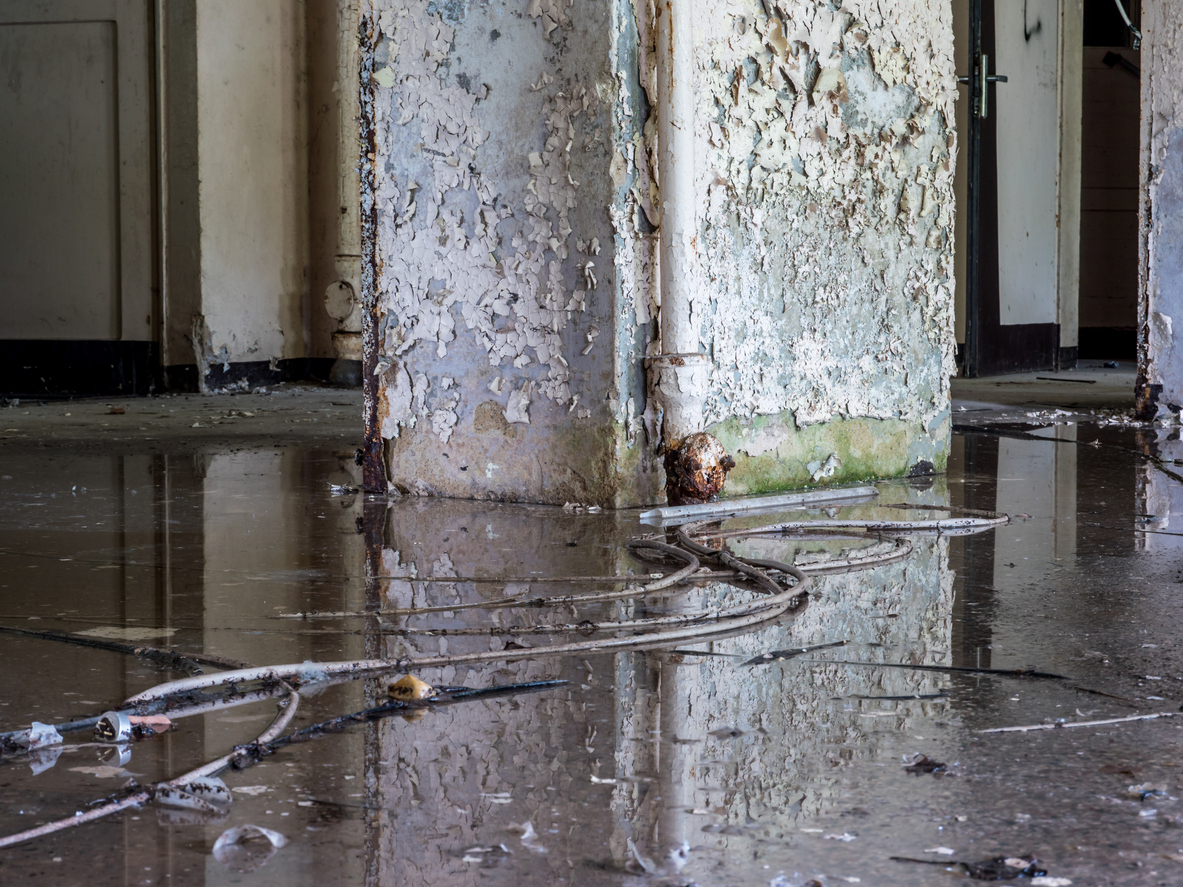
A foul odor near your drain isn’t just unpleasant—it could be an early warning sign of a much more serious issue: a sewage backup. In older homes across Federal Way, Tacoma, Auburn, and surrounding South Sound neighborhoods, aging sewer lines combined with increased rainfall and root intrusion can turn a minor plumbing nuisance into a hazardous emergency fast.
If you’ve ever wondered, “Why does it smell like sewage under my sink or near my basement drain?”, this blog is for you. Below, we’ll cover the causes, symptoms, and steps you should take before it becomes a health hazard—and why it’s critical to bring in professionals right away.

Why South Sound Homes Are at Higher Risk for Sewage Backups
Federal Way and nearby cities like Des Moines, Milton, and Northeast Tacoma WA, contain a mix of aging infrastructure, coastal terrain, and tree-lined neighborhoods. These features create ideal conditions for sewage backups:
- Old clay or cast-iron sewer lines that are cracked or collapsing
- Tree root intrusion from large, mature trees
- Heavy rain or flash flooding overwhelming municipal systems
- Low-lying areas where gravity-fed drains backflow more easily
- Poorly maintained sump pumps or backflow valves
In particular, homes near Browns Point, Lakota, and Marine Hills with older basements or slab-on-grade foundations are especially vulnerable when ground saturation pushes sewage upward into floor drains and utility sinks.

Early Symptoms of a Sewage Backup
Here are signs you may be facing a backup—whether it’s imminent or already happening:
- Persistent rotten egg or sulfur smells near drains or toilets
- Gurgling noises in your pipes when running water or flushing
- Slow-draining sinks, showers, or tubs (especially if multiple drains are affected)
- Water pooling around floor drains, even when not in use
- Toilet bubbling or flushing oddly
- Mold or mildew growth near drains due to hidden moisture
These aren’t just plumbing issues—they’re often symptoms of a deep sewer line failure, which can lead to black water contamination in your home.

What to Do If You Suspect a Backup
Don’t wait for sewage to overflow. Take these steps immediately:
- Stop using all water in the home (to prevent worsening the backup).
- Avoid plunging or snaking the drain unless you know where the blockage is.
- Shut off electrical power to affected areas if water is present.
- Evacuate pets and children from any room with standing wastewater.
- Call a certified sewage cleanup professional to inspect and contain the damage.
At Restoration 24/7, our emergency teams are trained to safely extract black water, disinfect contaminated areas, and inspect your plumbing system for causes and prevent recurrence.
Explore our sewage backup cleanup services to learn how we restore your property safely and quickly.

Why You Should Never Attempt DIY Sewage Cleanup
Even if the backup seems small, black water (category 3 water) is toxic and filled with bacteria, viruses, and contaminants that pose serious health risks. Standard household cleaning agents are not enough to decontaminate surfaces exposed to sewage.
Professional sewage restoration includes:
- Safe extraction of wastewater
- Removal of soaked carpet, drywall, and insulation
- Industrial decontamination and drying equipment
- Mold prevention and air quality control
- Sanitization and odor removal
- Guidance with insurance claims and documentation
Don’t compromise your health or the integrity of your home. Trust the pros who know exactly how to respond.
How to Prevent Sewage Backups in Federal Way WA
Prevention starts with awareness. We recommend:
- Annual sewer inspections for older properties
- Root intrusion treatments for homes with large nearby trees
- Installation of backflow prevention valves in basement drains
- Cleaning gutters and storm drains to avoid overload during heavy rain
- Upgrading sump pumps to models with battery backup for power outages
If you’ve had a backup before or live in a flood-prone area like Dash Point or Enchanted Parkway, consider a sewer camera inspection before fall weather arrives.

Dealing with the Aftermath: Is This Covered by Insurance?
In many cases, sewage backups are covered by homeowner’s insurance—but only with specific riders or endorsements. You’ll need to act fast and provide:
- Timely evidence of damage (photos/videos)
- Proof that the backup was sudden and not neglect-related
- An inspection report from a certified water damage professional
- Documentation of repair costs
We help homeowners across Auburn WA, Tacoma WA, and Federal Way WA navigate the claims process and avoid denial due to insufficient response.

Mold Prevention: Your Next Big Concern
Once the sewage is cleaned up, the next threat is invisible: mold. Moisture in subflooring or drywall after a backup creates the perfect breeding ground for spores.
Our mold removal services ensure no hidden moisture remains. We inspect the entire affected area, test air quality, and apply anti-fungal treatments where needed.
Don’t Ignore the Smell—Take Action Now
What starts as a bad smell could end in thousands of dollars in damage, health risks, and long-term restoration. At Restoration 24/7, we’re here 24/7 to help residents in Federal Way WA, Tacoma WA, and Auburn WA act fast, contain the backup, and restore their homes completely.
Don’t wait for the water to rise. Call today to protect your home and your health.