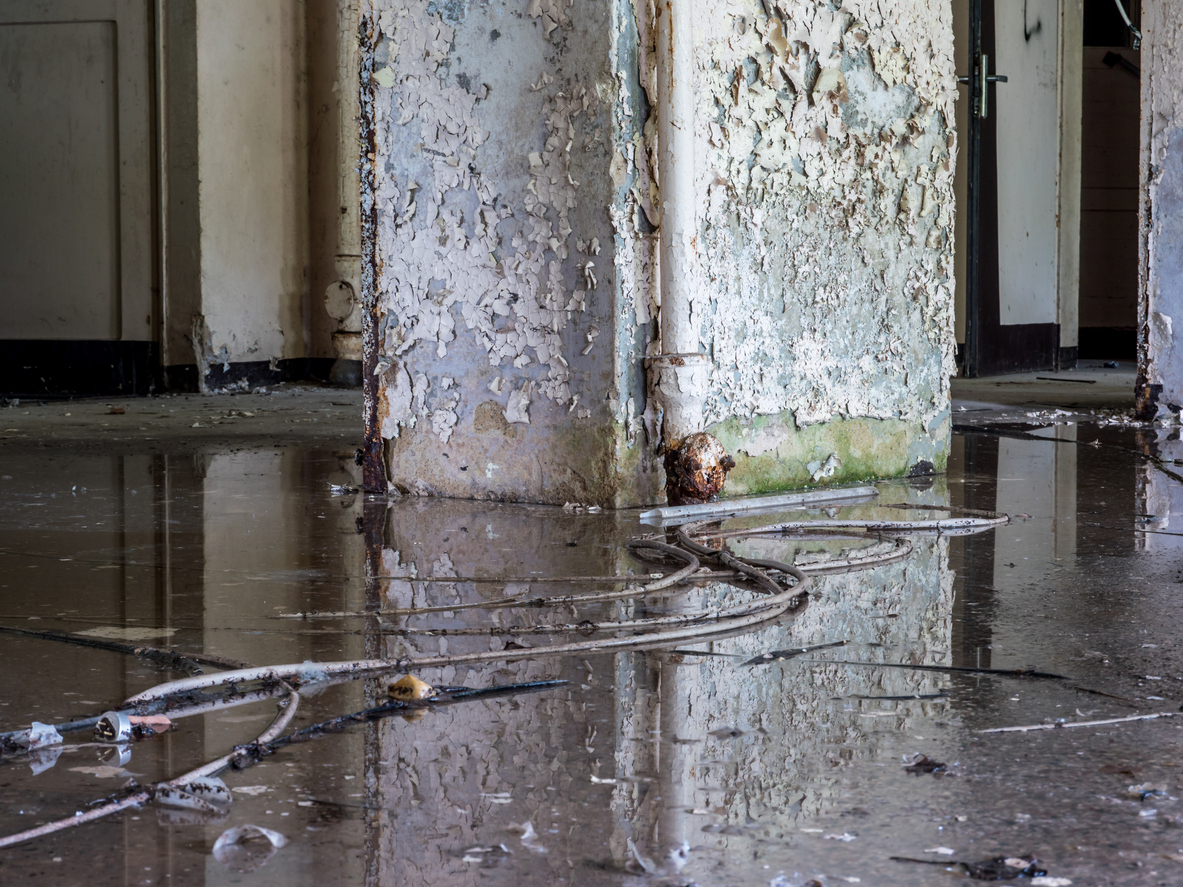
In Browns Point, discovering water around a furnace in January is never a small issue. Homeowners often assume it is simple condensation or a minor maintenance concern, especially during colder months when heating systems run nonstop. In reality, moisture near HVAC equipment is one of the fastest ways mold can spread throughout an entire home. When water is present near a furnace, it is already in the one place designed to move air into every room.
Browns Point homes face unique winter challenges due to coastal moisture, temperature swings, and extended heating cycles. When HVAC systems interact with excess moisture, the result is not isolated damage. It becomes a whole-house problem.
Why Water Around a Furnace Is a Serious Warning Sign
Furnaces and air handlers are not designed to tolerate standing water or persistent dampness. When moisture appears near HVAC equipment, it usually points to condensation buildup, drainage failure, or water intrusion from nearby sources.
In January, warm air moving through cold spaces creates condensation inside and around HVAC components. If drain lines are blocked, drip pans overflow, or insulation is compromised, water accumulates quickly. That moisture is then pulled into ductwork, where it can travel freely throughout the home.
Once moisture enters the HVAC system, it no longer stays localized. Every heating cycle becomes a delivery system for damp air, mold spores, and odors.
How HVAC Moisture Turns Into a Mold Distribution System
Mold needs only moisture, organic material, and time. HVAC systems provide all three when water is present. Dust inside ducts supplies organic matter. Warm temperatures from heating cycles accelerate growth. Airflow distributes spores into living spaces.
In Browns Point homes, mold growth linked to HVAC moisture often appears first as unexplained odors, increased allergy symptoms, or condensation in rooms far from the furnace. Homeowners may clean visible areas without realizing the source is inside the system itself.
Professional mold removal and testing is essential in these cases to identify contamination inside ducting, mechanical closets, and adjacent wall cavities before mold becomes widespread.
Common Causes of HVAC-Related Water Damage
Several issues commonly lead to water around furnaces in winter:
- Blocked or frozen condensate drain lines
- Improperly sloped or disconnected drain pipes
- Cracked heat exchangers causing abnormal condensation
- Groundwater seepage into mechanical rooms
- Plumbing leaks near HVAC equipment
In Browns Point, lower-level mechanical rooms and garages are particularly vulnerable due to proximity to exterior walls and ground moisture. What begins as a slow drip can escalate into saturated drywall, insulation, and framing around the system.
Why Drying Alone Is Not Enough
Simply mopping up water or running a fan near the furnace does not solve the problem. Moisture often remains inside ducts, beneath equipment, and behind walls where it cannot be seen. Continued operation of the HVAC system then spreads that moisture further.
This is why water damage restoration is critical when HVAC systems are involved. Restoration professionals use moisture mapping, controlled drying, and system-specific containment to ensure damp areas are fully dried before mold has a chance to spread.
Ignoring hidden moisture allows mold colonies to establish inside ductwork, where remediation becomes far more invasive and costly.
Health Risks of Mold Spread Through HVAC Systems
When mold spreads through HVAC systems, indoor air quality declines rapidly. Spores are circulated repeatedly, increasing exposure levels for everyone in the home. Symptoms may include coughing, sinus irritation, headaches, fatigue, or worsening asthma.
Because the source is mechanical rather than visible, homeowners often struggle to connect symptoms to the HVAC system. By the time mold is discovered, contamination may already be present in multiple rooms.
Addressing HVAC-related mold early reduces health risks and limits the scope of remediation.
Why Browns Point Homes Are Especially at Risk
Browns Point’s coastal exposure contributes to higher ambient humidity, even during colder months. When combined with sealed winter homes and constant heating, moisture has fewer opportunities to dissipate.
Many homes in the area also have mechanical systems located in basements, crawl spaces, or garages where airflow is limited. These environments allow moisture to linger longer and create ideal conditions for mold growth once water is introduced.
January’s cold temperatures further slow evaporation, meaning even small amounts of water can persist long enough to cause damage.
When HVAC Moisture Is Linked to Other Damage
In some cases, HVAC moisture is connected to previous fire or smoke events. Smoke residue inside ductwork can trap moisture, intensifying odors and promoting microbial growth once damp. If inspection reveals residue contributing to ongoing issues, fire and smoke damage restoration may be necessary to fully restore the system.
If water near the furnace originates from a contaminated source such as a backup or overflow, specialized handling is required. Sewage backup cleanup ensures biohazards are safely removed before HVAC operation resumes.
Insurance and Documentation Considerations
Damage involving HVAC systems can escalate quickly, increasing repair costs. Insurance coverage often depends on timely response and professional documentation. Delayed action may lead to disputes over whether mold growth resulted from neglect.
Early involvement from a restoration professional helps establish timelines, document moisture levels, and demonstrate that appropriate mitigation steps were taken.
Signs Your HVAC System May Be Spreading Moisture or Mold
If you notice any of the following, professional inspection is recommended:
- Water pooling near the furnace or air handler
- Musty odors strongest when heat is running
- Increased condensation on windows or walls
- Allergy symptoms that worsen indoors
- Uneven heating or airflow issues
These signs indicate that moisture may already be interacting with your HVAC system.
Protecting Your Home Starts With Early Action
Water near a furnace is not a maintenance issue to postpone. It is an early warning that moisture is entering the most critical air-moving system in your home. Acting quickly limits damage, protects air quality, and prevents mold from spreading room to room.
Restoration 24/7 provides professional inspection and restoration services for Browns Point homeowners dealing with HVAC-related water damage and mold risk. Our team understands coastal moisture patterns and how winter heating systems contribute to hidden damage.
To schedule an inspection or learn more about available services, visit the Restoration 24/7 Seattle home page and get expert help before HVAC moisture turns into a whole-home mold problem.