You fixed the problem.
The leak was handled.
The wall was patched.
Everything looks normal again.
But something still feels off.
The wall feels slightly cool.
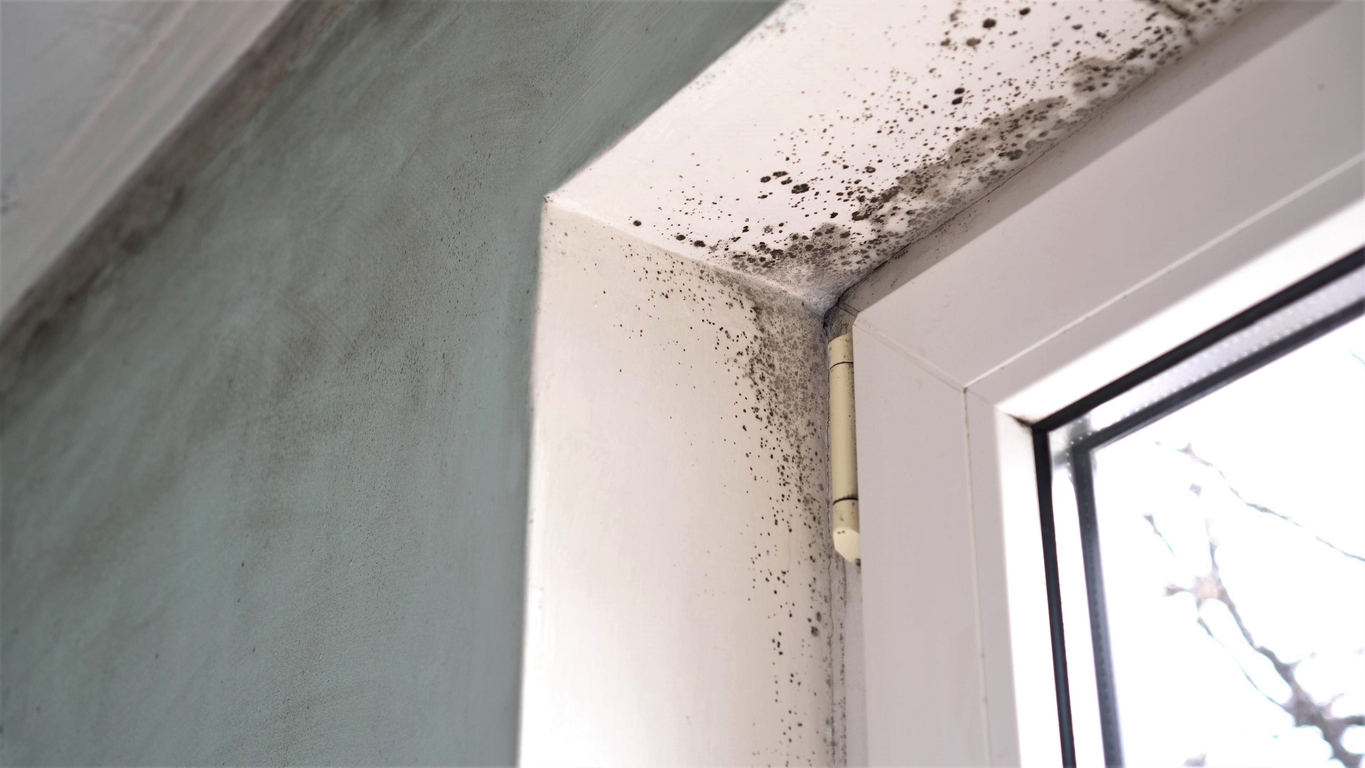
The paint doesn’t look quite right.
Or there’s a faint smell that won’t fully go away.
If you’re in Des Moines WA — especially near Redondo, Woodmont, or along the waterfront — this is a common issue we see after water damage.
And it usually means one thing:
The wall was repaired… but it was never fully dried.

Why a Wall Can Stay Wet Even After It’s “Fixed”
When water enters a wall, it doesn’t just sit on the surface.
It moves into:
- Drywall
- Insulation
- Wood framing
Once inside, it gets trapped.
So even if:
- The leak is repaired
- The wall is patched
- The surface looks dry
The inside of the wall may still be holding moisture.
This is why proper water damage restoration in Des Moines WA is different from basic repair.

The Most Common Scenario We See
Here’s what typically happens:
- Leak occurs
- Plumber fixes the source
- Wall is closed or patched
- No structural drying is done
At that point:
- Moisture stays inside
- Airflow is cut off
- Drying stops completely
Weeks later, the problem resurfaces.

Why Des Moines Homes Are More Prone to This
Des Moines has unique conditions that make drying more difficult:
Waterfront Areas (Redondo / Marina District):
- Higher humidity slows evaporation
Bluff Homes (Woodmont):
- Wind-driven moisture adds exposure
Older Construction:
- Materials absorb and hold water longer
This means moisture that might dry naturally elsewhere often stays trapped here.

Signs Your Walls Are Still Holding Moisture
You may not see water — but you’ll notice symptoms.
Look for:
- Paint bubbling or peeling
- Slight discoloration
- Cool or damp-feeling drywall
- Musty or stale odor
These are early warning signs.
And they usually appear after the repair is already “finished.”

Why This Turns Into a Bigger Problem
When moisture stays inside a wall:
- Drywall weakens
- Wood framing absorbs water
- Mold begins forming
This is when homeowners shift from:
“Is this still damp?”
to searching:
“mold remediation near me”
Because now it’s no longer just water damage.

What Proper Restoration Should Have Included
A complete process should have:
- Opened affected wall sections
- Tested moisture levels inside materials
- Removed saturated insulation
- Used professional drying equipment
- Verified dryness before closing walls
If these steps weren’t done, the repair wasn’t complete.

Why Patching Over Wet Walls Makes It Worse
Closing a wall before it’s dry traps moisture inside.
That leads to:
- Hidden mold growth
- Stronger odor over time
- More expensive repairs later
What could have been a small drying job becomes a full remediation project.

What Needs to Happen Now
If walls are still damp after repairs, the solution is not surface work.
It requires:
- Reopening affected areas
- Moisture inspection
- Structural drying
- Possible material removal
In some cases, full flood cleanup services may be needed if water spread further than expected.

Secondary Risks Most Homeowners Don’t Think About
Moisture inside walls doesn’t just affect drywall.
It can impact:
- Electrical wiring
- Outlets
- HVAC systems
Over time, this can increase risks associated with fire and smoke damage if components degrade.
In more severe moisture environments, properties may also develop conditions requiring sewage backup cleanup.

Why This Costs More the Second Time
When moisture is missed the first time:
- The damage spreads
- More materials are affected
- The repair becomes larger
Fixing it now often means undoing what was already done.
That’s why second-stage restoration is almost always more expensive.

When to Call Immediately
If you notice:
- Walls that feel damp after repair
- Paint or drywall changes
- Lingering odor
- Signs of moisture returning
You are dealing with incomplete restoration.
911 Restoration of Seattle provides water damage restoration in Des Moines WA, including flood cleanup services, mold remediation near me, and full 24-hour emergency restoration.
If the wall is still damp, the job isn’t done.