When water damage hits your home in Federal Way WA, everything moves fast.
A pipe bursts.
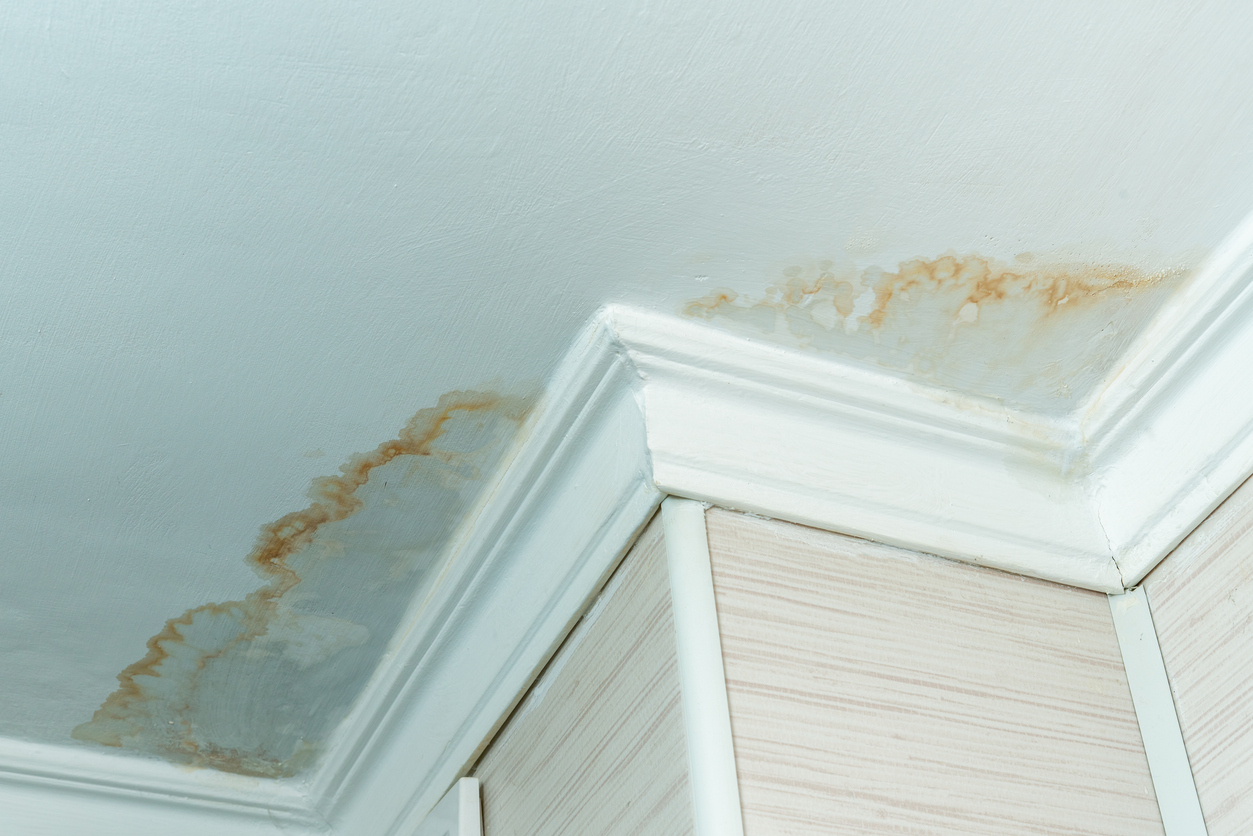
A ceiling starts leaking.
A basement floods after heavy rain.
And within minutes, the question becomes:
“What do I do right now?”
The first 24 hours after water damage are the most important. What you do — or don’t do — can determine whether the damage stays manageable or turns into a full reconstruction project.
This is not about long-term prevention.
This is about what to do after the damage has already happened — before a 24-hour emergency restoration team arrives.

Step 1: Stop the Source If You Can Do It Safely
Before anything else, identify where the water is coming from.
In Federal Way neighborhoods like Lakota and West Campus, we often see:
- Broken supply lines under sinks
- Water heater failures in garages
- Roof leaks after spring storms
- Crawl space flooding in Twin Lakes
If it is safe:
- Shut off the main water valve
- Turn off the appliance causing the leak
- Move away from active electrical hazards
If you cannot safely stop the source, leave the area and call for water damage restoration in Federal Way immediately.

Step 2: Turn Off Electricity in Affected Areas
Water and electricity are a dangerous combination.
If water has reached:
- Carpeted areas
- Baseboards
- Outlets
- Basement or crawl space levels
Turn off power to the affected section of the home if it is safe to access your breaker panel.
If you are unsure — do not take risks.
Wait for professionals.
Step 3: Call 24-Hour Emergency Restoration Immediately
This is where most homeowners wait too long.
Water damage does not pause. Even clean water begins breaking down materials within hours.
Calling a 24-hour emergency restoration company right away ensures:
- Faster water extraction
- Less structural damage
- Lower overall repair cost
- Better insurance documentation
Searching for:
- “water damage restoration in Federal Way”
- “flood cleanup services near me”
is exactly what most homeowners do in this moment — and the sooner the call is made, the better the outcome.
You can contact 911 Restoration of Seattle for immediate response in Federal Way and surrounding areas.

Step 4: Remove What You Can — Quickly
While waiting for the restoration team, you can reduce damage by removing items from affected areas.
Focus on:
- Rugs and small furniture
- Electronics
- Paper items and photos
- Boxes stored on the floor
In homes near Marine Hills or Northeast Tacoma where humidity is already higher, materials absorb moisture faster — so acting quickly matters.
Do not attempt to remove large built-in materials like drywall or flooring. That is part of professional restoration.
Step 5: Start Air Movement If Possible
If it is safe and electricity is available:
- Turn on fans
- Open windows (if weather allows)
- Increase airflow in affected areas
This does not replace professional drying, but it can slow down moisture buildup.
Keep in mind:
Hidden moisture inside walls and subfloors will still require professional equipment.

Step 6: Avoid Common Mistakes That Make Damage Worse
In Federal Way, we often see homeowners unintentionally increase damage by:
- Waiting 24–48 hours before calling
- Using household vacuums for water removal
- Closing off rooms instead of ventilating
- Repainting or covering stains before drying
These actions trap moisture and often lead to mold growth — which is why so many people later search for “mold remediation near me.”
Once mold starts, the job becomes more complex and more expensive.
What Happens Next: Professional Flood Cleanup Services
Once a restoration team arrives, the process typically includes:
- Water extraction
- Moisture mapping
- Industrial drying and dehumidification
- Material removal (if necessary)
- Monitoring until safe moisture levels are reached
In cases where flooding is significant — such as basement flooding in Twin Lakes or drainage-related issues in Des Moines — full flood cleanup services may be required.
If water has been sitting for more than several hours, or if contamination is present, sanitation becomes part of the process.

Why the First 24 Hours Matter So Much
Within the first 24 hours:
- Drywall begins absorbing water
- Wood framing starts swelling
- Flooring materials weaken
- Moisture spreads beyond visible areas
After 24–48 hours:
- Mold can begin forming
- Odor develops
- Structural damage increases
Acting immediately is the difference between a controlled restoration and a major rebuild.

When to Call Immediately
If you are experiencing:
- Active water entering the home
- Flooded floors or basement
- Ceiling leaks
- Sudden increase in humidity or musty smell
Do not wait.
911 Restoration of Seattle provides water damage restoration in Federal Way, along with flood cleanup services, mold remediation, and full 24-hour emergency restoration response.