Heavy winter rain in Des Moines WA often causes water damage that isn’t immediately obvious. Homes near the Puget Sound, waterfront properties, and older neighborhoods with aging exterior systems are especially vulnerable to wind-driven rain that pushes moisture behind siding, flashing, and rooflines. By the time homeowners notice staining, bubbling paint, or damp odors, water has usually been present long enough to affect insulation, framing, and drywall. Proper water damage restoration after heavy rain focuses on stopping hidden damage before it becomes a long-term structural or mold issue.
Working with a local team like 911 Restoration of Seattle ensures the restoration process accounts for Des Moines’ coastal weather patterns, saturated soils, and repeated winter rain exposure.
Why Heavy Rain Causes Hidden Water Damage in Des Moines Homes
Des Moines experiences strong coastal winds paired with prolonged rainfall during winter. This combination forces water into areas that standard drainage systems are not designed to handle. Roof transitions, window flashing, siding seams, and deck attachments are common entry points during heavy rain events.
Unlike burst pipes or obvious flooding that immediately require water damage restoration, rain intrusion often spreads slowly. Moisture travels laterally inside wall cavities, settles into insulation, and pools on subfloors. Because the damage develops behind finished surfaces, it often goes unnoticed for days or even weeks.
The Risks of Delayed Restoration After Rain Intrusion
When rain-related water damage is not addressed quickly, materials remain wet long enough to deteriorate. Drywall loses structural integrity, wood framing begins to swell, and metal fasteners can corrode. Prolonged moisture also creates conditions that support microbial growth, increasing the likelihood that professional mold removal and testing will be required.
In Des Moines homes with split levels or daylight basements, water intrusion from heavy rain often migrates downward, affecting lower floors and storage areas. Without proper restoration, repeated rain events compound the damage, turning a manageable issue into a widespread restoration project.
What Proper Water Damage Restoration Involves After Heavy Rain
Proper restoration begins with a detailed moisture inspection. Restoration professionals use moisture meters and thermal imaging to locate water trapped behind walls, under flooring, and above ceilings. This assessment determines how far water has spread and which materials can be dried versus those that must be removed.
Once the scope is established, controlled drying begins. Industrial air movers and dehumidifiers are placed strategically to remove moisture without spreading it to unaffected areas. Saturated insulation and damaged drywall are removed to allow framing and substructures to dry completely. This step is essential to successful water damage restoration after heavy rain.
Throughout the process, affected areas are contained to protect the rest of the home. If microbial growth is discovered, restoration plans expand to include proper containment and remediation procedures to prevent cross-contamination.
Why Surface Repairs Are Not Enough After Rain Damage
Many homeowners attempt to fix rain damage by repainting walls or sealing exterior gaps. While these repairs may improve appearance, they do not address moisture already trapped inside building materials. Without professional drying and verification, moisture can remain hidden and continue causing damage.
In Des Moines, where heavy rain events often repeat throughout winter, skipping restoration allows moisture to reappear with each storm. Proper restoration focuses on drying, stabilization, and verification before repairs are made, ensuring the problem does not return.
Crawl Spaces, Basements, and Lower Levels After Heavy Rain
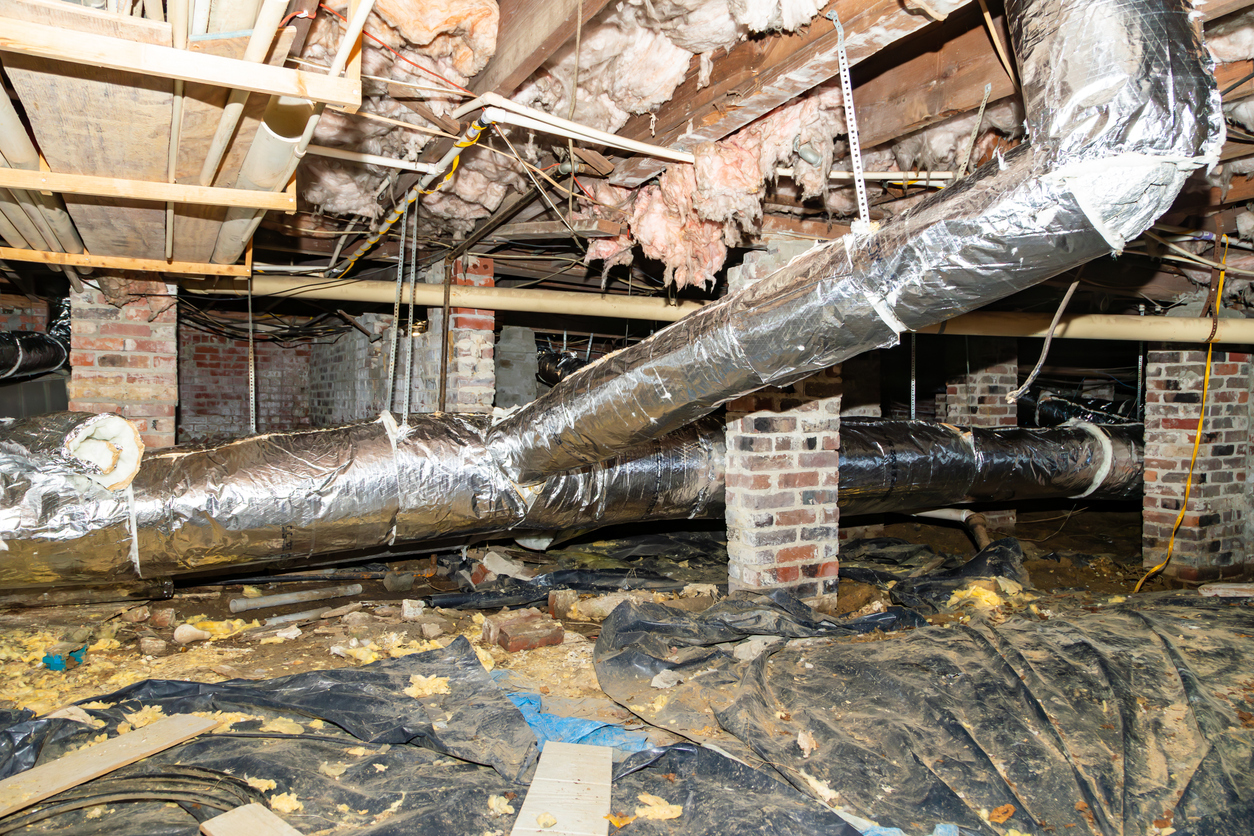
Heavy rain places significant pressure on foundations and drainage systems. Crawl spaces and basements are often the first areas affected. Standing water, elevated humidity, and damp soil create moisture conditions that rise into the home.
Professional restoration addresses these lower areas through targeted drying, dehumidification, and airflow correction. Addressing moisture below the home reduces the risk of secondary issues such as sewage backup cleanup, which can occur when saturated ground overwhelms plumbing and drainage systems.
Documentation and Insurance After Rain-Related Water Damage
Rain intrusion claims can be complex. Insurance carriers often require proof that damage resulted from a specific storm event rather than long-term wear or maintenance issues. Professional restoration documentation is critical in these cases.
Restoration teams provide moisture readings, drying logs, photographs, and detailed scopes of work that help support insurance claims. This documentation becomes especially important if rain-related water damage contributes to secondary problems, such as electrical issues that increase the risk of fire and smoke damage.
Why Early Restoration Matters in Des Moines WA
Waiting to address rain-related water damage allows moisture to settle deeper into materials. As winter progresses and temperatures fluctuate, trapped moisture expands and contracts, worsening damage. Mold growth accelerates as conditions become more favorable toward spring.
Early restoration limits the scope of damage, reduces repair costs, and protects indoor air quality. It also prevents recurring issues when the next heavy rain event hits, which is common in Des Moines during late winter.
When to Call Restoration 24/7
If your Des Moines home shows signs of water intrusion after heavy rain, such as staining, damp odors, or soft drywall, professional restoration should begin as soon as possible. Even small leaks can indicate larger hidden problems.
911 Restoration of Seattle provides full-service residential and commercial restoration services throughout Des Moines and surrounding communities. Proper water damage restoration after heavy rain protects your home now and helps prevent more serious damage later.