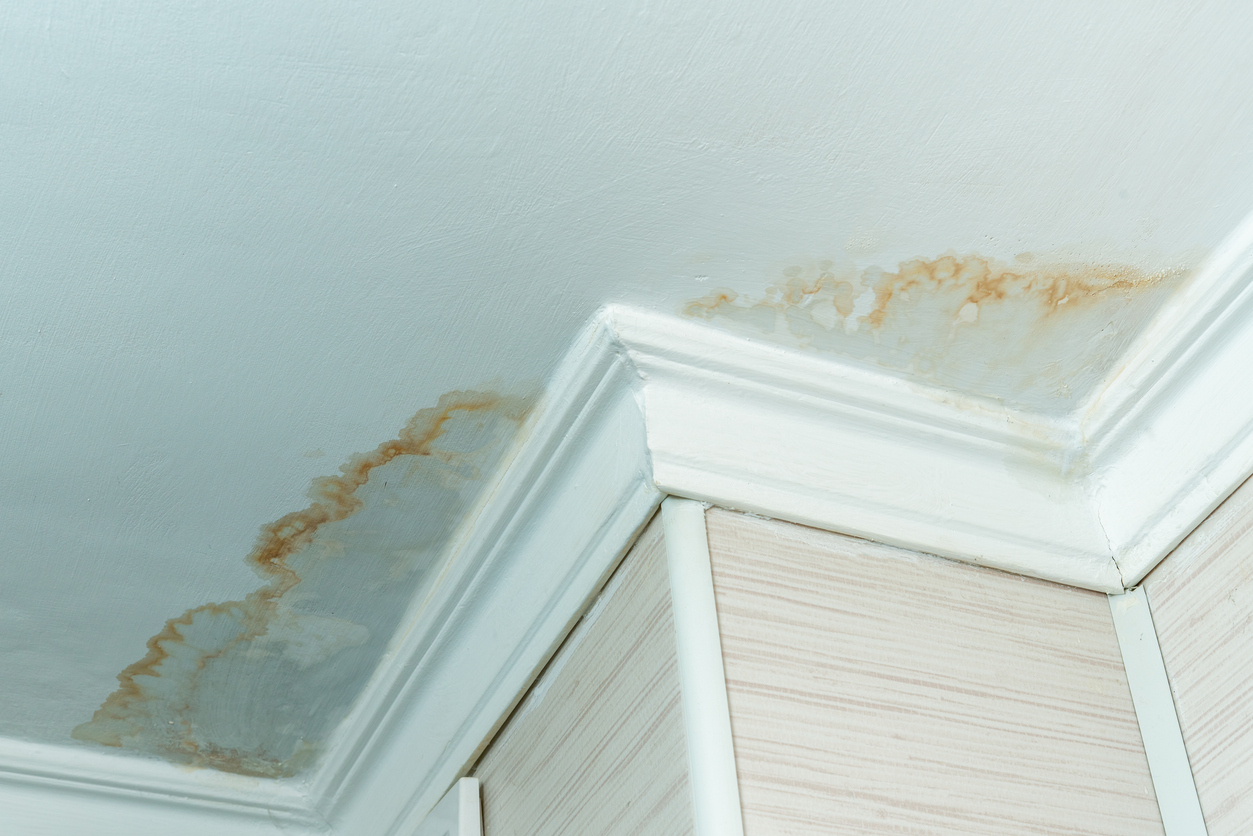
In Milton, white residue appearing on basement or lower-level walls in January is often dismissed as harmless dust or leftover construction material. In reality, that chalky substance is usually efflorescence, a visible warning sign that moisture is actively moving through masonry or concrete. While the residue itself is not mold, it signals conditions that commonly lead to mold growth, internal wall saturation, and long-term foundation deterioration if left unaddressed.
January is when many Milton homeowners first notice these deposits. Winter rainfall saturates the soil, hydrostatic pressure builds around foundations, and moisture is forced inward through tiny pores and cracks. As water moves through concrete or block walls and evaporates inside the home, it leaves behind mineral salts. The wall looks dry, but moisture is still present behind the surface.
Why Efflorescence Appears in Winter
Efflorescence is most common during colder months because evaporation slows while groundwater pressure increases. In Milton, compacted soils and older drainage systems make it harder for water to move away from foundations during prolonged rain events. When that water has nowhere to go, it migrates through foundation walls instead.
Homes with basements or daylight lower levels are especially vulnerable. Even without visible leaks or standing water, moisture can continuously wick through walls. Over time, that moisture saturates insulation, framing, and drywall on the interior side of the foundation, creating ideal conditions for hidden mold growth.
Why White Residue Is a Structural Warning
The presence of efflorescence means water is actively moving through the foundation. That movement does more than leave residue behind. Repeated moisture cycles weaken concrete, widen existing cracks, and accelerate deterioration of mortar joints in block foundations.
As moisture builds inside wall cavities, it compromises insulation performance and can cause paint to blister or peel. Homeowners may repaint or clean the wall, only to see the residue return weeks later. Without addressing the moisture source, cosmetic fixes do nothing to stop ongoing damage.
Mold Often Follows Internal Wall Saturation
Where moisture persists, mold follows. Foundation walls create dark, enclosed environments where mold can grow undetected for long periods. By the time odors or air quality symptoms appear, mold colonies may already be established behind finished walls.
Professional mold removal and testing is often necessary when efflorescence is present, especially if moisture readings confirm elevated levels inside wall assemblies. Testing helps determine whether mold growth has begun and guides proper remediation before it spreads into living spaces.
How Water Damage Restoration Stops the Cycle
Efflorescence itself does not go away until moisture movement is controlled. This often requires a combination of drying, moisture management, and identifying how water is entering the structure. Interior drying alone may not be enough if groundwater pressure remains unaddressed.
Professional water damage restoration focuses on stabilizing moisture levels inside the home while identifying contributing factors such as foundation seepage, drainage failures, or hidden leaks. Proper drying protects materials and prevents continued saturation that leads to mold and structural decay.
Why Milton Homes Are Prone to This Issue
Milton’s mix of older housing stock, heavy soils, and winter rainfall patterns makes foundation moisture a common concern. Many homes were built before modern waterproofing standards, and aging drainage systems struggle to manage today’s precipitation levels.
January compounds the problem. Cold temperatures reduce evaporation, allowing moisture to linger longer once it enters the structure. Even small amounts of seepage can accumulate into significant saturation over time, especially in lower-level spaces that receive limited airflow.
When Efflorescence Is Tied to Past Damage
In some homes, white residue appears after previous water or fire-related incidents that altered how moisture moves through the structure. Materials disturbed during repairs may allow moisture to enter new pathways. In cases where smoke residue is present, trapped moisture can worsen odors and create additional indoor air quality concerns.
When prior events contribute to current conditions, fire and smoke damage restoration may be part of a comprehensive solution to fully restore affected materials and airflow patterns.
Insurance and Long-Term Risk
Efflorescence is often an early warning sign. Addressing it promptly can prevent larger claims later. When moisture damage progresses unchecked, insurers may view resulting mold or structural deterioration as long-term neglect rather than a sudden loss.
Early documentation by a restoration professional helps establish cause and timeline. Moisture readings, photos, and written assessments support claims and reduce disputes when repairs are necessary.
What Homeowners Should Watch For
If you notice any of the following in January, moisture is likely moving through your walls:
- White, powdery residue on concrete or block walls
- Peeling paint or blistering near the base of walls
- Musty odors in lower-level rooms
- Damp or cool wall surfaces
- Increased indoor humidity without visible leaks
These signs indicate internal wall saturation that should be evaluated before mold or structural damage worsens.
Local Expertise Makes a Difference
Restoration 24/7 provides professional inspection and restoration services for Milton homeowners dealing with moisture intrusion, mold risk, and foundation-related water damage. Our team understands local soil conditions, winter moisture behavior, and how to stop water movement before it causes long-term harm.
To schedule an inspection or learn more about available services, visit the Restoration 24/7 Seattle home page and connect with a local restoration team experienced in Milton homes.