Why December Makes Des Moines Homes Feel Damp Indoors
If you live in Des Moines—especially near Browns Point Road, Woodmont, or the waterfront hills overlooking Puget Sound—you may notice something unsettling every December: your interior walls feel cold, clammy, and slightly damp to the touch. This winter moisture isn’t just uncomfortable. It’s one of the earliest warning signs of condensation buildup, hidden leaks, and potential mold growth inside your walls.
The combination of freezing outdoor temperatures, wet air blowing in from the Sound, and warm indoor heating creates constant moisture movement through the walls of Des Moines homes. When this moisture gets trapped, your drywall begins absorbing the dampness, leading to soft spots, bubbling paint, or even dark patches where mold begins to develop.
This post explains why Des Moines homes experience this more intensely during December, how to tell whether the problem is simple condensation or something more serious, and what to do before your “cold walls” become a costly moisture problem.

Why Des Moines Walls Get Damp in Early Winter
Moisture doesn’t appear inside walls at random—local climate conditions create the perfect setup.
Cold Marine Air Meets Heated Indoor Air
Des Moines sits right on the water, meaning homes constantly encounter cold, wet air blowing inland. When that air cools your exterior walls, the warmer indoor air condenses against them—often inside the wall cavities where moisture becomes trapped.
Poor Wall Insulation in Older Homes
Many Des Moines homes built from the 1960s through 1990s lack modern insulation. Cold surfaces attract moisture from indoor air, making walls feel damp or sticky.
High Indoor Humidity During December
Holiday cooking, shower steam, and keeping windows shut during stormy days all increase indoor moisture, which settles into cold spots—especially exterior walls.
Wind-Driven Rain Penetration
December storms blow heavy rain against siding. If flashing, caulking, or seals are compromised, moisture can slip into wall cavities.

How to Tell If the Moisture Is Condensation or a Leak
Cold and damp walls can stem from harmless temperature differences—or from a developing water damage issue. Watch for these clues.
Signs of Condensation
These usually indicate a surface-level moisture problem:
- Walls are cold only on exterior-facing rooms
- Moisture appears after cooking or showering
- Windows fog heavily at the same time
- No staining or discoloration is present
- The dampness disappears during dry days
Condensation problems are common in Des Moines homes near the waterfront or wooded areas like Woodmont and Zenith.
Signs It’s a Leak Inside the Wall
These symptoms signal water intrusion rather than winter humidity:
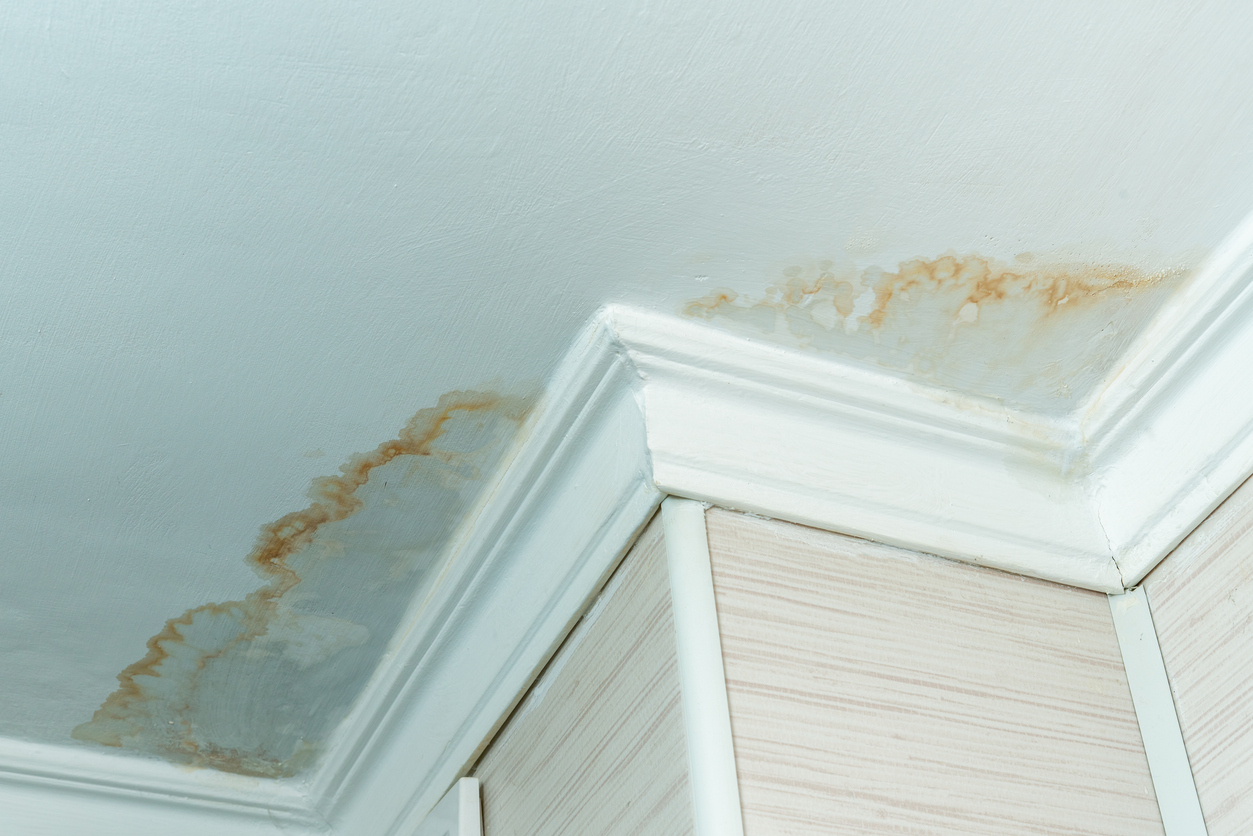
- Yellow or brown stains forming
- Bubbling, peeling, or cracking paint
- Soft, spongy, or warped drywall
- A persistent musty odor
- Dampness concentrated in one specific spot
- A dripping or gurgling sound inside the wall
- Flooring beneath the wall feels cold or damp
If your walls feel damp and you live in Browns Point or near downhill lots, groundwater pressure or storm-driven rain may be pushing moisture inward.

Why Cold, Damp Walls Are a Serious Winter Problem
Even small amounts of trapped moisture can lead to:
Hidden Mold Growth
Mold thrives in the dark voids of wall cavities. During December, high humidity accelerates growth, especially in vapor barrier gaps or around plumbing penetrations.
Drywall Degradation
Damp drywall softens, loses structure, and begins to sag or crumble.
Musty Indoor Odors
Moisture inside walls almost always leads to that unmistakable “damp house” smell.
Electrical Hazards
Moisture in the wall can reach electrical wiring, increasing the risk of shorts or failures.
Cold Rooms and High Heating Costs
Wet insulation loses effectiveness, making rooms feel colder and forcing heaters to work harder.

What Des Moines Homeowners Should Do When Walls Feel Cold or Damp
You can take several steps right away to control moisture and prevent further damage.
Improve Ventilation
Run bathroom and kitchen fans longer, especially after cooking or showering. Make sure fans vent outdoors—not into the attic.
Use a Dehumidifier in Problem Rooms
This is especially effective in basement-level spaces or waterfront-facing walls.
Check Exterior Siding and Caulking
Wind-driven rain commonly finds its way into tiny gaps around windows, decks, or siding seams.
Inspect Attics and Crawl Spaces
Moisture rising from crawl spaces or dripping from attics can make walls feel colder and wetter than usual.
Watch for Rapid Changes
If the wall becomes softer, more stained, or noticeably damper over 24–48 hours, the issue may be an active leak.
When to Call a Professional
Cold and damp walls in Des Moines often indicate more than just seasonal moisture. If you see staining, soft spots, mold, or worsening condensation patterns, you should schedule a professional inspection immediately.
Our team specializes in winter moisture problems common to:
- Des Moines waterfront homes
- Browns Point hillside properties
- Older houses with poor insulation
- Homes exposed to wind-driven rain
We provide:
- Leak detection and moisture mapping
- Emergency water damage restoration
- Mold removal and cleanup
- Structural drying inside walls
- Crawl space and attic moisture control
Acting early prevents mold from spreading and keeps moisture from damaging the structure of your home.
Get Immediate Help:
Home: https://www.911restorationseattle.com/
Water Damage Restoration: https://www.911restorationseattle.com/services/water-damage-restoration/
Mold Removal: https://www.911restorationseattle.com/services/mold-removal-testing/
Contact Us Anytime: https://www.911restorationseattle.com/contact-us/