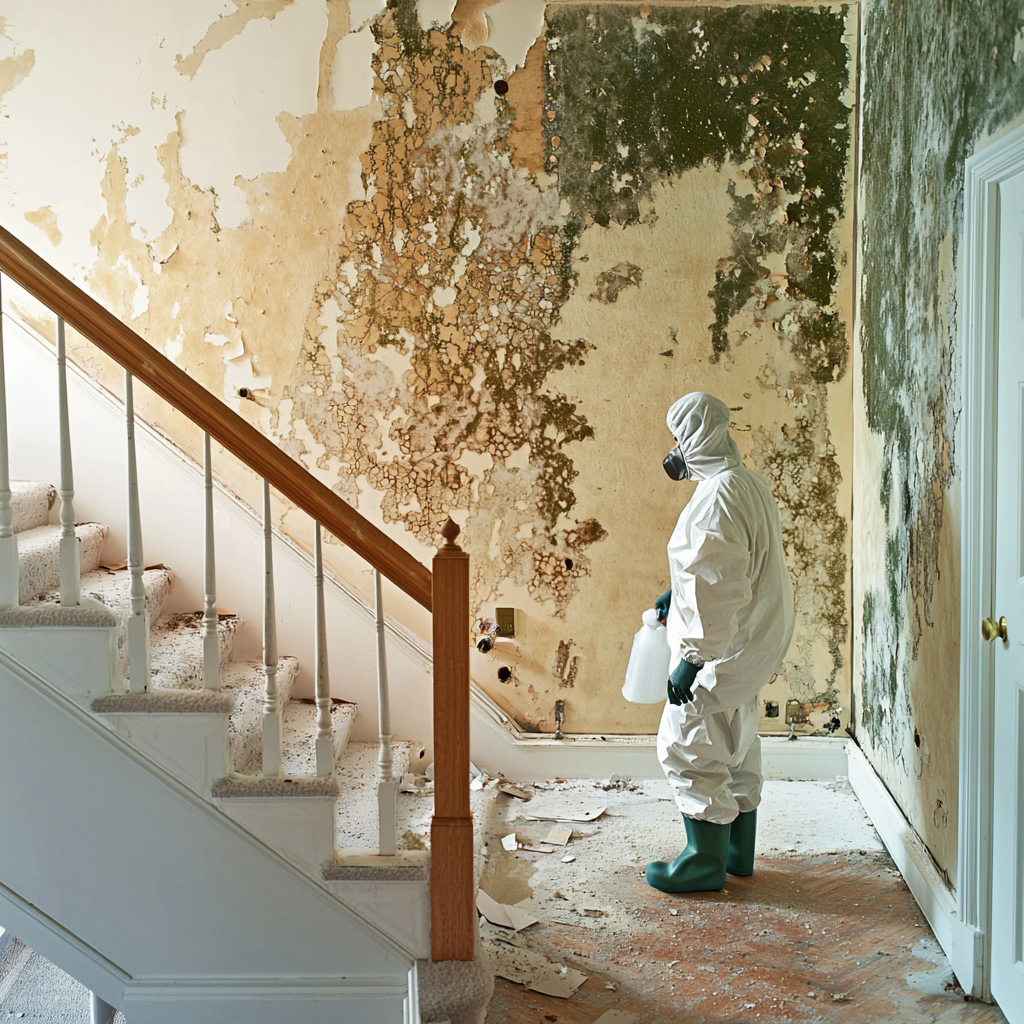
As autumn settles over Federal Way WA, homeowners often notice a persistent musty smell indoors—especially in basements, crawl spaces, or older parts of the home. That unmistakable odor isn’t just unpleasant. It’s a warning sign that your home may be harboring hidden moisture and the early stages of mold growth.
If you’ve ever typed “why does my house smell in the fall?” or “how to get rid of a musty smell indoors,” this blog breaks down what’s behind that odor and what you can do about it—before it turns into a full-blown restoration problem.

Fall Moisture Traps in Federal Way Homes
With the return of cooler temperatures, dew, and Pacific Northwest rainfall, the shift from summer to fall marks a dangerous time for indoor moisture buildup. In Federal Way, Auburn WA, and Northeast Tacoma WA, homes in shaded or tree-lined areas like Twin Lakes or Lakota are particularly susceptible to dampness—especially in crawlspaces and wall voids.
When warm indoor air meets cold surfaces (like basement walls or poorly insulated areas), condensation forms. Combine that with limited airflow and organic building materials, and you’ve got the perfect environment for mildew and mold to thrive.

Common Areas Where Musty Odors Start
1. Basements and Crawl Spaces
If your home has a concrete foundation or partial basement, check for damp corners, discolored wood framing, or standing water. These areas are notorious for harboring mold colonies during the fall.
2. Attics with Poor Ventilation
Moisture from the home rises and gets trapped in attic insulation, especially if ventilation is blocked by debris or insulation. This is a common issue in older homes around Marine Hills and Redondo.
3. Carpeted Rooms Over Slab Foundations
If the musty smell is strongest in rooms with wall-to-wall carpet, moisture may be wicking through the concrete slab below. This can occur during fall rains when the ground around the home becomes saturated.
4. Underneath Kitchen or Bathroom Cabinets
Leaks from faucets, pipes, or dishwashers can create slow moisture accumulation, especially in older cabinetry that lacks ventilation.
What That Smell Is Really Telling You
A “musty” smell is almost always a result of microbial growth—in other words, mold or mildew releasing volatile organic compounds (VOCs) into your indoor air. These smells often appear before visible signs of mold.
Other warning signs may include:
- Increased allergy symptoms or asthma indoors
- Black or green spotting on walls or trim
- Wallpaper bubbling or paint peeling
- Persistent foggy windows or condensation
- Wooden furniture or paneling that feels damp
If you’re noticing these issues, especially in combination with odor, it’s time to schedule a professional mold inspection.
DIY Steps to Reduce Musty Fall Odors
If the smell is faint or just starting, there are steps you can take now to avoid bigger problems later:
- Use a dehumidifier, especially in basements and bathrooms
- Run fans and crack windows during dry afternoons to circulate air
- Clean and inspect HVAC systems before turning on heating
- Check gutters and downspouts to ensure water is directed away from the home
- Inspect weather stripping and seals on doors and windows
- Lift rugs or move furniture to check for hidden damp spots

When to Call a Restoration Professional in Federal Way WA
If the smell doesn’t go away—or worsens after rain—it’s time to act fast. Hidden water damage or microbial growth will not resolve on its own and may pose long-term health risks.
At 911 Restoration of Seattle, we specialize in identifying, treating, and restoring homes with unseen moisture damage. Our team offers:
- Water damage restoration for leaks, overflows, and foundation seepage
- Mold testing and remediation with same-day service
- Sewage backup cleanup for homes with plumbing-related odors
- Fire and smoke restoration for fall fireplace or heating mishaps
- Commercial property restoration for buildings with seasonal moisture issues
Get Ahead of the Fall Moisture Curve
Federal Way WA homes face a unique challenge in the fall—just enough lingering summer humidity, just enough chill to create condensation, and plenty of rain to complicate it all. If your house smells off, even if everything “looks fine,” trust your instincts.
A quick assessment today could prevent a costly mold cleanup later.