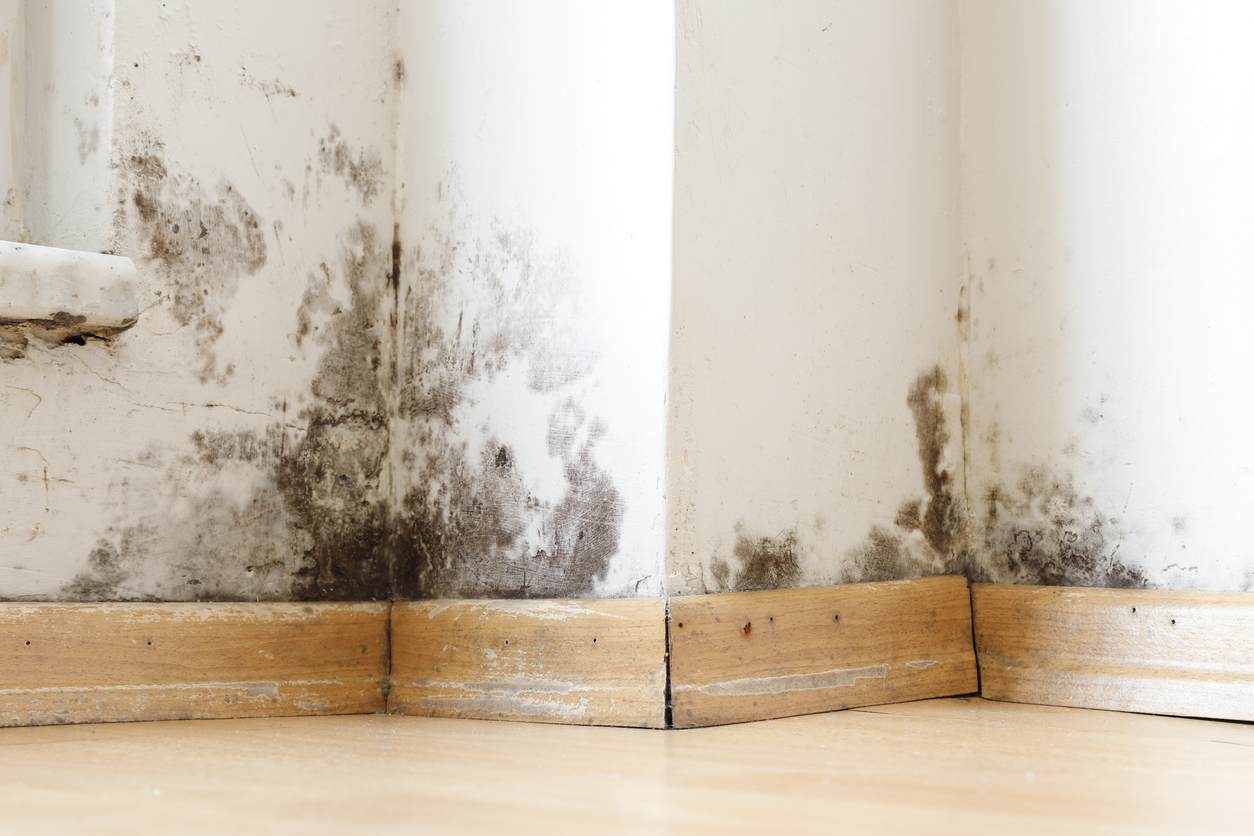
Summer in the South Sound often ends with a bang: late August thunderstorms, flash flooding, and dramatic temperature drops that leave homes in Federal Way, Fife, and Milton vulnerable to water intrusion and — shortly after — mold outbreaks.
If your crawl space, basement, or wall cavity saw any water seepage this past month, now’s the time to act. Delaying remediation increases health risks, raises restoration costs, and may complicate your insurance claim.

From Summer Storms to Mold Growth: The 2–3 Week Timeline
Here’s how fast mold can become a serious issue:
- 24–48 hours: Mold spores activate in moist, dark areas (like under floors or inside wall insulation).
- 3–5 days: Visible spotting begins — usually black, gray, or green patches.
- 7–10 days: Musty odors appear, and air quality begins to degrade.
- 14–21 days: Colonies expand, potentially releasing allergens and mycotoxins.
Even if you dried out the surface water, hidden moisture may remain trapped behind drywall or in foundation crevices — especially in older homes across neighborhoods like Marine Hills, Adelaide, and Brooklake.

Common Mold Trouble Zones After Rain Events
Residents across South Federal Way, Fife Heights, and Edgewood should pay special attention to these areas:
- Basement corners and wall-floor seams
- Attic sheathing (especially with poor ventilation)
- Crawl spaces and sump pump zones
- Behind bathroom tile or near washer/dryer connections
- HVAC ducting, especially in homes with older systems
Even recently built homes aren’t immune. Construction materials absorb moisture quickly, and Federal Way’s humid post-storm microclimate can accelerate growth in 2025’s hotter-than-average season.
Why Quick Action Matters
Mold remediation isn’t just about wiping a surface clean. In Washington State, unchecked mold damage can lead to:
- Irreversible wall and flooring damage
- Electrical hazards from moisture exposure
- Increased insurance scrutiny if you delay treatment
- Family health issues, especially for those with asthma or allergies
At 911 Restoration of Seattle, our mold specialists are trained in moisture detection, containment, and full remediation under Washington State restoration regulations.
What Professional Remediation Looks Like
When you call us, here’s what we do:
- Use industrial moisture meters and thermal imaging to locate hidden dampness
- Contain affected areas using HEPA-filtered negative air machines
- Provide safe and certified mold removal and testing
- Sanitize and deodorize all affected spaces
- Provide documentation for insurance and real estate records
- Conduct follow-up testing to ensure clearance

“Should I Wait Until It Gets Worse?” No — Here’s Why:
By the time you see or smell mold, it’s likely already affecting your home’s structure and air quality. Mold doesn’t go dormant just because the weather cools down in September. In fact, that’s when many infestations spread more deeply as homes become less ventilated.
Don’t wait for mold to move from a corner in your basement to a full crawlspace infestation.

We Know South King County Homes
Our local team specializes in homes across:
- Federal Way (Marine Hills, Twin Lakes, Adelaide, Enchanted Parkway)
- Fife and Fife Heights
- Milton, Edgewood, and Lakeland South
We’re based near you, so we respond fast — with the tools and expertise tailored to the unique restoration demands of the Pacific Northwest.
Whether you’re in an older bungalow or a newer hillside build, we’ve likely seen (and restored) homes just like yours.
Call Today to Stay Ahead of September Mold Risks
If your home experienced flooding, leaks, or storm runoff in August — don’t wait until your insurance policy refuses to cover “neglected” mold issues.
Contact 911 Restoration of Seattle for fast response and complete mold solutions.
Let’s wrap up the summer with your home safe, dry, and healthy.