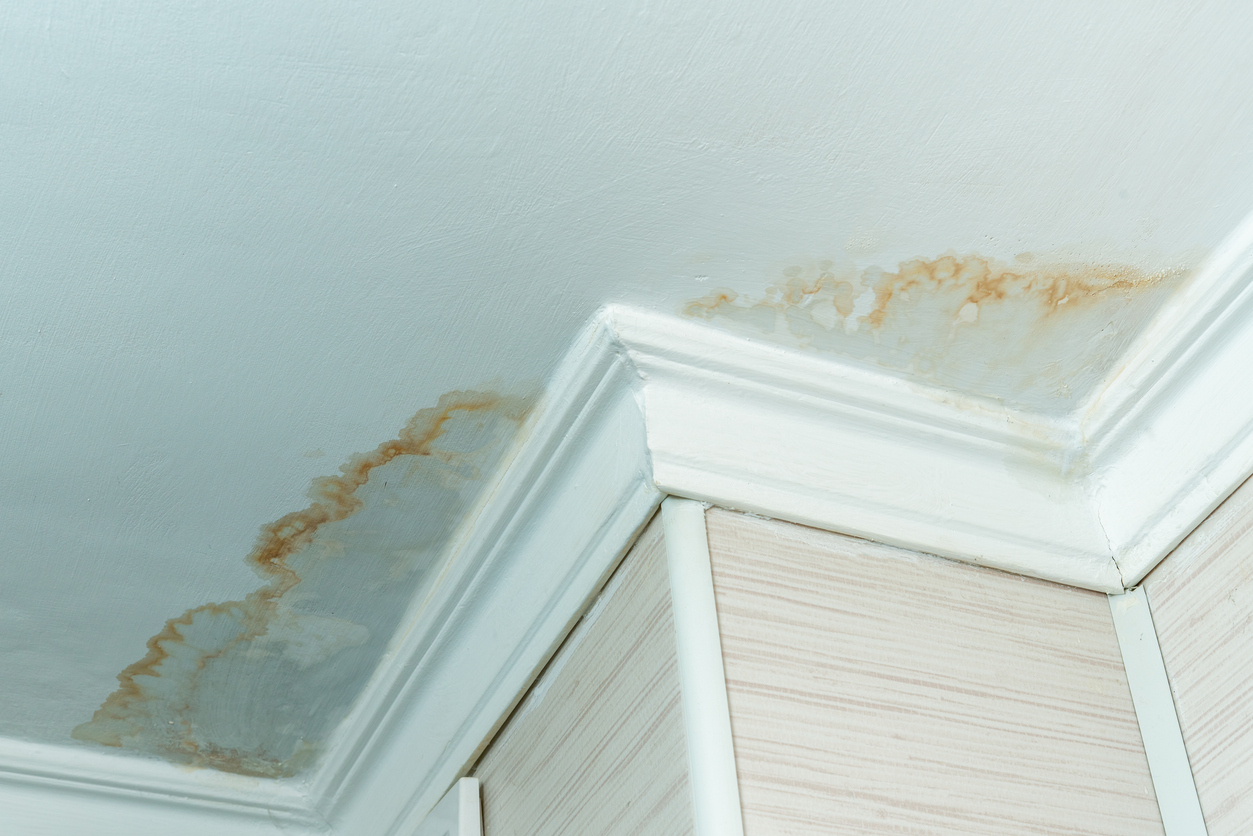
A Common Problem in Des Moines and Federal Way Homes
It’s late October in Des Moines and Federal Way, and homeowners often stumble upon an unsettling discovery: a damp carpet strip running along the edge of a wall. The rest of the floor seems fine, yet the moisture keeps returning. This issue isn’t just inconvenient—it’s often a sign of underlying water damage that requires immediate attention.
Why Carpets Get Wet Along Walls
Moisture creeping into carpets near walls can come from several sources:
- Foundation seepage – Heavy rains push groundwater through cracks in basement walls.
- Slab leaks – Plumbing pipes running beneath concrete foundations can crack, leaking water upward.
- Window well failures – Poorly sealed basement windows let in water during storms.
- Roof or siding leaks – Water travels down walls before settling at the floor.
- Condensation – Cool exterior walls meet warm interior air, leading to damp carpet edges.
These causes often appear during the fall rainy season when homes in South King County experience heavy downpours and fluctuating temperatures.
Why Wet Carpets Are a Big Concern
A damp carpet edge may look like a minor issue, but the risks grow quickly:
- Mold growth – Moisture trapped under carpet and padding becomes a breeding ground.
- Structural damage – Persistent water weakens drywall and baseboards.
- Health hazards – Mold spores and bacteria thrive in wet carpet fibers.
- Hidden leaks – What looks like surface dampness could stem from a major plumbing failure.
Ignoring the problem often leads to higher restoration costs down the road.
How to Tell What’s Causing the Problem
Homeowners can look for these clues to narrow down the cause:
- Musty odors – Suggests long-term mold growth under carpets.
- Discolored walls or baseboards – Indicates water intrusion from behind.
- Water after storms only – Likely foundation seepage or drainage issues.
- Warm, damp spots – A potential slab leak, since warm water pipes run beneath concrete.
Even with these signs, professional inspection is often needed to confirm the true source.
Professional Solutions for Wet Carpet Issues
At 911 Restoration of Seattle, our team uses specialized equipment to identify and eliminate water problems at their root. Services include:
- Full water damage restoration, including water extraction and drying.
- Mold removal for carpets, walls, and subflooring.
- Repairs to affected drywall, insulation, or structural materials.
- Guidance on preventing future moisture problems through drainage and waterproofing.
We also work with homeowners on insurance claims when water or mold damage is tied to sudden plumbing failures or storm-related intrusions.
Prevention Tips for Homeowners
To minimize risks of damp carpet edges this fall:
- Keep gutters clear to prevent water pooling near foundations.
- Inspect basement windows and reseal as needed.
- Monitor indoor humidity with a dehumidifier.
- Schedule seasonal plumbing checks to detect hidden leaks early.
Local Risks in Des Moines and Federal Way
Homes near waterfront areas or low-lying neighborhoods in Des Moines are especially prone to seepage. In Federal Way, aging infrastructure and shifting soils create a higher risk of slab leaks. These local conditions make fall the ideal time for inspections before winter rains intensify.
Call to Action
If your carpet feels damp along the wall, don’t ignore it. Contact 911 Restoration of Seattle for immediate inspection and water damage cleanup. From drying services to mold remediation, we’ll restore your Des Moines or Federal Way home before the damage spreads.