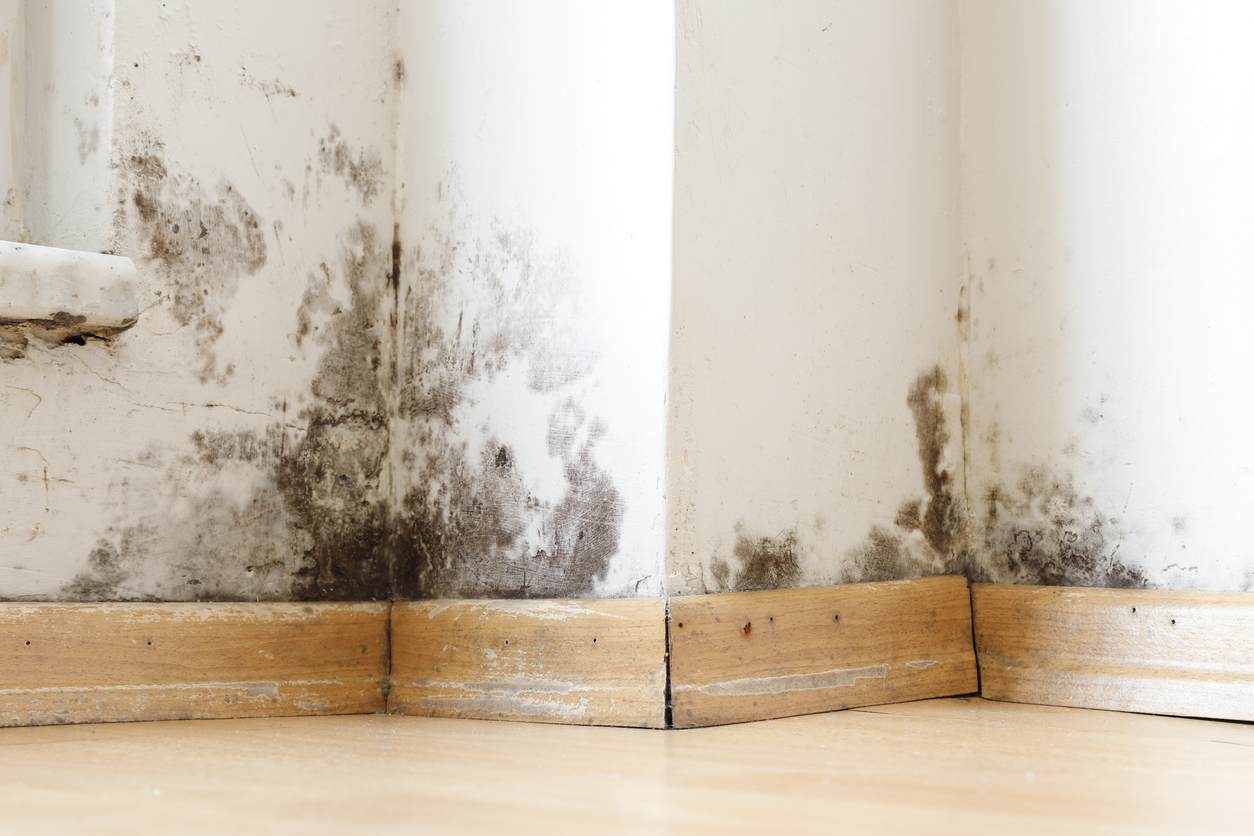
While August in the South Puget Sound area is known for warm weather and dry days, homeowners in Northeast Tacoma, Browns Point, and Milton often find themselves facing an unexpected issue: indoor mold growth in late summer. Even without rain, certain microclimates and home conditions in these coastal zones make them especially vulnerable to mold infestations this time of year.
In this post, we’ll break down why the cooler marine air, dense tree coverage, and aging home infrastructure in this area increase the risk—and what you can do to catch mold before it spreads.

The Coastal Microclimate Mold Risk
Browns Point and Northeast Tacoma border Commencement Bay, where cooler marine air collides with the lingering heat of inland summer. That temperature differential leads to:
- Condensation on basement walls and window wells
- Lingering humidity in shaded crawl spaces
- Increased HVAC cycling, which redistributes spores
These neighborhoods, with their older homes, large trees, and limited airflow, become perfect environments for mold colonies to thrive—even without a single drop of rain.

Milton’s Mold Challenges: Heat Meets Moisture
Just south of Northeast Tacoma, homes in Milton experience a different version of the problem. Warm inland air combined with:
- High summer irrigation
- Closed-up rooms due to AC use
- Attic and crawl space heat buildup
can cause water vapor to collect inside walls or insulation. Homeowners in Milton may not notice mold until walls feel soft, or the HVAC system begins circulating musty odors.

What Mold Looks Like in These Areas
If you live in these communities, check for:
- Clammy air or humidity that doesn’t respond to fans or AC
- “Pepper flake” spots near baseboards or window trim
- Discoloration on attic sheathing or basement concrete
- Unexplained fatigue or sinus issues among residents
Mold can take many forms—gray fuzz, black dots, even pink slime—and often hides behind walls or under flooring until it’s too late.

Why Mold Moves Fast in August
Once mold gets access to warmth + humidity + cellulose, it can spread in 48–72 hours. In August, those conditions exist in:
- Drywall and paper-backed insulation
- Plywood subfloors and attic trusses
- Stored cardboard boxes in garages or closets
By the time visible mold appears, airborne spore counts are already elevated and may be affecting your indoor air quality.

Professional Mold Removal in Northeast Tacoma
If you suspect a mold issue, don’t wait. At 911 Restoration of Seattle, we offer:
- Moisture mapping and air quality testing
- HEPA vacuuming and negative air containment
- Structural drying and material replacement
- Recommendations for preventing recurrence
We serve all of Tacoma, Milton, Browns Point, and Edgewood, and our crews are available 24/7 for both emergency response and preventive inspections.
How to Prevent Mold in These Coastal Communities
Mold prevention in August is about ventilation and dehumidification:
- Run your bathroom fans and open windows during dry hours
- Use a dehumidifier in basements and under stairs
- Check under sinks and behind appliances for hidden leaks
- Seal foundation cracks and insulate exposed pipes
- Don’t ignore small discolorations or soft drywall
The goal is to remove conditions that allow spores to activate—and if you’re unsure, call for a professional inspection.

Breathe Easier with Restoration 24/7
We live and work here too—and we understand how the marine influence, shaded neighborhoods, and older home stock in Northeast Tacoma and Browns Point make mold an August hazard. Whether you need an inspection or a full disaster restoration response, our IICRC-certified team is ready to restore your home and peace of mind.
Schedule your inspection today, and we’ll help you breathe easier before mold makes itself at home.